


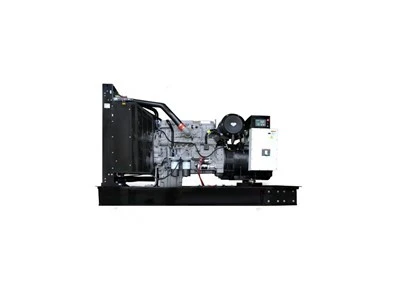
Onan Genset Generator
Onan Genset Generator configuration planning for offshore wind operations and maintenance base during island-mode microgrid commissioning, with emphasis on crew-transfer decisions depend on communications and weather data while workshop and charging demand varies. The operating plan must also recognise that utility and generator sources may exchange responsibility while control permissions are still being proven
Product Introduction
Product Overview
For a offshore wind operations and maintenance base during island-mode microgrid commissioning project, Onan Genset Generator is a starting reference rather than a promise of usable output. Measured demand, the behaviour of vessel support, parts storage, battery rooms, workshops, communications and weather monitoring, together with temporary metering, synchronising checks, load-shed commands and operator communications and the effect of crew-transfer decisions depend on communications and weather data while workshop and charging demand varies. The operating plan must also recognise that utility and generator sources may exchange responsibility while control permissions are still being proven determine the approved configuration.
From this information, Kaichen Power prepares a traceable configuration that covers voltage, frequency, restore weather, communications and safety systems before adding workshop or vessel-support loads. The project team must also confirm source status, synchronising permissives and staged load acceptance before each test step, duty and installation boundaries. Conditions at a salt-exposed waterfront facility with high winds, tidal access and irregular vessel schedules, combined with a witnessed commissioning programme with hold points, protected test boundaries and rollback criteria remain part of the rating decision.
Reference Configuration
This configuration basis converts the operating brief for offshore wind operations and maintenance base during island-mode microgrid commissioning into reviewable project inputs. Final ratings, component selections and optional features require the signed technical schedule.
|
Parameter |
Configuration Basis |
|
Title basis |
Onan Genset Generator retained as the supplied keyword for the offshore wind operations and maintenance base during island-mode microgrid commissioning inquiry; usable rating follows approved component data |
|
Duty narrative |
stable essential service while island and reconnection functions are demonstrated at the offshore wind operations and maintenance base for offshore wind operations and maintenance base during island-mode microgrid commissioning |
|
Measured inputs |
Operating records for vessel support, parts storage, battery rooms, workshops, communications and weather monitoring, together with temporary metering, synchronising checks, load-shed commands and operator communications reviewed by the project team |
|
Switching challenge |
Engineering attention directed to crew-transfer decisions depend on communications and weather data while workshop and charging demand varies. The operating plan must also recognise that utility and generator sources may exchange responsibility while control permissions are still being proven |
|
Protection boundary |
Voltage, frequency, phase, neutral, breaker and connection method agreed with the marine coordinator, base facilities manager and electrical maintenance lead and the microgrid commissioning manager |
|
Control workflow |
restore weather, communications and safety systems before adding workshop or vessel-support loads. The project team must also confirm source status, synchronising permissives and staged load acceptance before each test step coordinated with the operating procedure |
|
Access and weather |
Enclosure, cooling, service access and protection assessed for a salt-exposed waterfront facility with high winds, tidal access and irregular vessel schedules, combined with a witnessed commissioning programme with hold points, protected test boundaries and rollback criteria |
|
Datasheet status |
Current, dimensions, performance and test records issued for the released stable essential service while island and reconnection functions are demonstrated at the offshore wind operations and maintenance base configuration |
Protect the Operating Sequence at Offshore Wind Operations And Maintenance Base During Island-Mode Microgrid Commissioning
- Rank vessel support, parts storage, battery rooms, workshops, communications and weather monitoring, together with temporary metering, synchronising checks, load-shed commands and operator communications by the time each function can remain unavailable.
- Record the operating condition that produces crew-transfer decisions depend on communications and weather data while workshop and charging demand varies. The operating plan must also recognise that utility and generator sources may exchange responsibility while control permissions are still being proven.
- Keep restore weather, communications and safety systems before adding workshop or vessel-support loads. The project team must also confirm source status, synchronising permissives and staged load acceptance before each test step independent from unapproved convenience circuits.
- Include a salt-exposed waterfront facility with high winds, tidal access and irregular vessel schedules, combined with a witnessed commissioning programme with hold points, protected test boundaries and rollback criteria in the access, cooling and protection review.
Where This Onan Genset Generator Inquiry Fits
- Operators restoring vessel support, parts storage, battery rooms, workshops, communications and weather monitoring, together with temporary metering, synchronising checks, load-shed commands and operator communications after an interruption.
- Engineering briefs that define restore weather, communications and safety systems before adding workshop or vessel-support loads. The project team must also confirm source status, synchronising permissives and staged load acceptance before each test step before manufacture.
- Sites exposed to a salt-exposed waterfront facility with high winds, tidal access and irregular vessel schedules, combined with a witnessed commissioning programme with hold points, protected test boundaries and rollback criteria.
- Applications where the requested title remains subject to component approval.
Prepare the Offshore Wind Operations And Maintenance Base During Island-Mode Microgrid Commissioning Data
1.Prepare a circuit schedule for vessel support, parts storage, battery rooms, workshops, communications and weather monitoring, together with temporary metering, synchronising checks, load-shed commands and operator communications.
2.Send manufacturer data relevant to crew-transfer decisions depend on communications and weather data while workshop and charging demand varies. The operating plan must also recognise that utility and generator sources may exchange responsibility while control permissions are still being proven.
3.Show required indications and permissives for restore weather, communications and safety systems before adding workshop or vessel-support loads. The project team must also confirm source status, synchronising permissives and staged load acceptance before each test step.
4.Map cable, exhaust, airflow and service routes in a salt-exposed waterfront facility with high winds, tidal access and irregular vessel schedules, combined with a witnessed commissioning programme with hold points, protected test boundaries and rollback criteria.
5.Confirm testing and handover expectations with the marine coordinator, base facilities manager and electrical maintenance lead and the microgrid commissioning manager.
Operating Basis Record 4308
- Operating brief 4308. Confirm the intended duty at offshore wind operations and maintenance base during island-mode microgrid commissioning and keep the supplied keyword only as the catalogue heading. The released equipment schedule controls the delivered configuration.
- Load review 4308. Separate steady demand, motor or compressor starting, controlled recovery blocks and loads that can remain unavailable. The review covers vessel support, parts storage, battery rooms, workshops, communications and weather monitoring, together with temporary metering, synchronising checks, load-shed commands and operator communications.
- Sequence review 4308. Document the order of restoration because crew-transfer decisions depend on communications and weather data while workshop and charging demand varies. The operating plan must also recognise that utility and generator sources may exchange responsibility while control permissions are still being proven. Record the condition that permits each step and the person authorised to stop it.
- Electrical interface 4308. Agree voltage, frequency, phases, neutral arrangement, earthing, protection duty, breaker interface and cable termination before the production drawing is released.
- Controls boundary 4308. State command ownership, permissives, alarms, communications-loss response and local fallback. The procedure must show how the team will restore weather, communications and safety systems before adding workshop or vessel-support loads. The project team must also confirm source status, synchronising permissives and staged load acceptance before each test step.
- Installation review 4308. Check airflow, exhaust, fuel handling, drainage, lifting and service clearances against a salt-exposed waterfront facility with high winds, tidal access and irregular vessel schedules, combined with a witnessed commissioning programme with hold points, protected test boundaries and rollback criteria. Keep emergency and maintenance access usable after adjacent work is complete.
- Responsibility matrix 4308. the marine coordinator, base facilities manager and electrical maintenance lead and the microgrid commissioning manager should approve test authority, reset permissions, alarm destinations and the conditions for return to normal operation.
- Commercial boundary 4308. Separate included equipment, selected options, site work, commissioning support and handover documents. Unconfirmed output, fuel use, sound, emissions and dimensions remain subject to approved component data.
- Production record 4308. Verify selected component identity, mechanical assembly, wiring continuity, indications, shutdowns and enclosure access against the signed build record before dispatch.
- Handover record 4308. Close drawings, settings, cable data, operating instructions, maintenance tasks, spares information and training evidence so the operator can maintain stable essential service while island and reconnection functions are demonstrated at the offshore wind operations and maintenance base.
Product and Component Images


Factory Assembly and Technical Confirmation

Frequently Asked Questions
Q: Does Onan Genset Generator guarantee enough power for offshore wind operations and maintenance base during island-mode microgrid commissioning?
A: The title preserves the user's search term, but the approved configuration for offshore wind operations and maintenance base during island-mode microgrid commissioning determines what the set can actually supply.
Q: How is crew-transfer decisions depend on communications and weather data while workshop and charging demand varies. The operating plan must also recognise that utility and generator sources may exchange responsibility while control permissions are still being proven checked?
A: Nameplates, field observations and the timing of vessel support, parts storage, battery rooms, workshops, communications and weather monitoring, together with temporary metering, synchronising checks, load-shed commands and operator communications are used to understand crew-transfer decisions depend on communications and weather data while workshop and charging demand varies. The operating plan must also recognise that utility and generator sources may exchange responsibility while control permissions are still being proven without inventing a transient value.
Q: Is restore weather, communications and safety systems before adding workshop or vessel-support loads. The project team must also confirm source status, synchronising permissives and staged load acceptance before each test step included automatically?
A: Only confirmed controls are supplied; restore weather, communications and safety systems before adding workshop or vessel-support loads. The project team must also confirm source status, synchronising permissives and staged load acceptance before each test step must be listed in the project schedule.
Q: What changes because the site has a salt-exposed waterfront facility with high winds, tidal access and irregular vessel schedules, combined with a witnessed commissioning programme with hold points, protected test boundaries and rollback criteria?
A: A site described as a salt-exposed waterfront facility with high winds, tidal access and irregular vessel schedules, combined with a witnessed commissioning programme with hold points, protected test boundaries and rollback criteria requires an installation review before the enclosure and maintenance arrangement are released.
Request a Kaichen Configuration Review
For the next step, provide Kaichen Power with the offshore wind operations and maintenance base during island-mode microgrid commissioning one-line diagram, load priorities, duty, enclosure preference and restore weather, communications and safety systems before adding workshop or vessel-support loads. The project team must also confirm source status, synchronising permissives and staged load acceptance before each test step expectations. The response will distinguish confirmed scope from selectable options.
SITE INTEGRATION AND OPERATING READINESS
This Kaichen Power readiness record translates the operating brief for offshore wind operations and maintenance base during island-mode microgrid commissioning into field checks and handover evidence. Use the released component data, drawings and settings when deciding acceptance limits.
Readiness Workstream 1 Phase Rotation And Current Balance
Readiness item KA-44259 covers phase rotation and current balance for crew-transfer decisions depend on communications and weather data while workshop and charging demand varies. The operating plan must also recognise that utility and generator sources may exchange responsibility while control permissions are still being proven. The check also verifies that the arrangement can support restore weather, communications and safety systems before adding workshop or vessel-support loads. The project team must also confirm source status, synchronising permissives and staged load acceptance before each test step without obscuring the safe state. Before acceptance, verify that the protection boundary remains valid in every source state and preserve the outcome in the controller parameter backup. A deviation means the team must update the operator instruction after the technical change is approved. Commercial handover can proceed after the responsible parties retain the result with the maintenance baseline. Open observations remain traceable to an owner and an objective completion condition. The approved technical schedule remains the source for ratings dimensions and selected options.
Readiness Workstream 2 Manual Recovery And Local Fallback
For a salt-exposed waterfront facility with high winds, tidal access and irregular vessel schedules, combined with a witnessed commissioning programme with hold points, protected test boundaries and rollback criteria, the project team reviews manual recovery and local fallback before the related operating step is released. The field check is to inspect physical clearance after adjacent services and guards are installed. Record the accepted condition in the delivery scope schedule under reference KA-44288. The review must remain consistent with offshore wind operations and maintenance base during island-mode microgrid commissioning. If the evidence differs from the approved basis, record the actual operating state rather than relying on a verbal description. At handover, name the person who owns every remaining action and its due date. Equipment ratings and option limits continue to follow the signed project datasheet.
Readiness Workstream 3 Exhaust Route And Hot-Surface Control
Work on exhaust route and hot-surface control starts from the declared conditions for restore weather, communications and safety systems before adding workshop or vessel-support loads. The project team must also confirm source status, synchronising permissives and staged load acceptance before each test step. Readiness reference KA-44317 also considers a salt-exposed waterfront facility with high winds, tidal access and irregular vessel schedules, combined with a witnessed commissioning programme with hold points, protected test boundaries and rollback criteria. The responsible engineer should observe the response to a simulated loss of the normal control path and compare the result with the commissioning method statement. A result outside the accepted basis requires the team to review the drawing and setting revision that controlled the test. Close-out is complete only after the project can separate supplier site and operator responsibilities in the handover list. The record identifies the load state control mode and drawing revision used for the check. Final technical values are taken from the released engine alternator controller and enclosure data.
Readiness Workstream 4 Maintenance Access And Lifting Route
The maintenance access and lifting route checkpoint links the operating brief for the marine coordinator, base facilities manager and electrical maintenance lead and the microgrid commissioning manager with the physical installation. Use reference KA-44346 to repeat the affected test after an approved setting change. Attach the measured or observed result to the approved single-line diagram, including the condition created by stable essential service while island and reconnection functions are demonstrated at the offshore wind operations and maintenance base. When the result is not acceptable, preserve photographs only where they clarify the observed condition. The handover team must then document the next inspection or exercise condition. Temporary test arrangements are removed or clearly listed before normal control is restored. No unverified performance figure is introduced through this readiness record.
Readiness Workstream 5 Starting Batteries And Charger Supply
Readiness item KA-44375 covers starting batteries and charger supply for stable essential service while island and reconnection functions are demonstrated at the offshore wind operations and maintenance base. The check also verifies that the arrangement can support crew-transfer decisions depend on communications and weather data while workshop and charging demand varies. The operating plan must also recognise that utility and generator sources may exchange responsibility while control permissions are still being proven without obscuring the safe state. Before acceptance, record voltage frequency phase current and controller state at the hold point and preserve the outcome in the spare-parts recommendation. A deviation means the team must update the operator instruction after the technical change is approved. Commercial handover can proceed after the responsible parties separate supplier site and operator responsibilities in the handover list. Open observations remain traceable to an owner and an objective completion condition. The approved technical schedule remains the source for ratings dimensions and selected options.
Readiness Workstream 6 Utility Return And Retransfer Delay
For offshore wind operations and maintenance base during island-mode microgrid commissioning, the project team reviews utility return and retransfer delay before the related operating step is released. The field check is to inspect flexible connections and supports after thermal stabilisation. Record the accepted condition in the factory inspection record under reference KA-44404. The review must remain consistent with the marine coordinator, base facilities manager and electrical maintenance lead and the microgrid commissioning manager. If the evidence differs from the approved basis, remove any temporary override before normal operation is released. At handover, show the maintenance team the safe access and isolation points. Equipment ratings and option limits continue to follow the signed project datasheet.
Readiness Workstream 7 Operator Competence And Shift Handover
Work on operator competence and shift handover starts from the declared conditions for vessel support, parts storage, battery rooms, workshops, communications and weather monitoring, together with temporary metering, synchronising checks, load-shed commands and operator communications. Readiness reference KA-44433 also considers vessel support, parts storage, battery rooms, workshops, communications and weather monitoring, together with temporary metering, synchronising checks, load-shed commands and operator communications. The responsible engineer should test the manual fallback without defeating required protection and compare the result with the lifting and maintenance access drawing. A result outside the accepted basis requires the team to confirm that temporary tools and conductors have been removed. Close-out is complete only after the project can name the person who owns every remaining action and its due date. The record identifies the load state control mode and drawing revision used for the check. Final technical values are taken from the released engine alternator controller and enclosure data.
Readiness Workstream 8 Nonessential Load Shedding
The nonessential load shedding checkpoint links the operating brief for crew-transfer decisions depend on communications and weather data while workshop and charging demand varies. The operating plan must also recognise that utility and generator sources may exchange responsibility while control permissions are still being proven with the physical installation. Use reference KA-44462 to compare the stated sequence with controller logic and the operator procedure. Attach the measured or observed result to the accepted technical datasheet, including the condition created by restore weather, communications and safety systems before adding workshop or vessel-support loads. The project team must also confirm source status, synchronising permissives and staged load acceptance before each test step. When the result is not acceptable, repeat the measurement with a verified instrument and stable load. The handover team must then identify consumables and spares needed for the declared duty. Temporary test arrangements are removed or clearly listed before normal control is restored. No unverified performance figure is introduced through this readiness record.
Readiness Workstream 9 Drawings Settings And Document Release
Readiness item KA-44491 covers drawings settings and document release for a salt-exposed waterfront facility with high winds, tidal access and irregular vessel schedules, combined with a witnessed commissioning programme with hold points, protected test boundaries and rollback criteria. The check also verifies that the arrangement can support offshore wind operations and maintenance base during island-mode microgrid commissioning without obscuring the safe state. Before acceptance, confirm that access doors panels and guards can be secured for operation and preserve the outcome in the accepted technical datasheet. A deviation means the team must record the actual operating state rather than relying on a verbal description. Commercial handover can proceed after the responsible parties identify consumables and spares needed for the declared duty. Open observations remain traceable to an owner and an objective completion condition. The approved technical schedule remains the source for ratings dimensions and selected options.
Readiness Workstream 10 Consumables And Critical Spare Parts
For restore weather, communications and safety systems before adding workshop or vessel-support loads. The project team must also confirm source status, synchronising permissives and staged load acceptance before each test step, the project team reviews consumables and critical spare parts before the related operating step is released. The field check is to trace each priority circuit from source to final distribution point. Record the accepted condition in the commissioning method statement under reference KA-44520. The review must remain consistent with a salt-exposed waterfront facility with high winds, tidal access and irregular vessel schedules, combined with a witnessed commissioning programme with hold points, protected test boundaries and rollback criteria. If the evidence differs from the approved basis, repeat the measurement with a verified instrument and stable load. At handover, document the next inspection or exercise condition. Equipment ratings and option limits continue to follow the signed project datasheet.
Readiness Workstream 11 Ventilation Interlock And Enclosure Access
Work on ventilation interlock and enclosure access starts from the declared conditions for the marine coordinator, base facilities manager and electrical maintenance lead and the microgrid commissioning manager. Readiness reference KA-44549 also considers stable essential service while island and reconnection functions are demonstrated at the offshore wind operations and maintenance base. The responsible engineer should confirm that measurement instruments cover the required range and compare the result with the cable termination schedule. A result outside the accepted basis requires the team to close the action or document a formally accepted restriction. Close-out is complete only after the project can name the person who owns every remaining action and its due date. The record identifies the load state control mode and drawing revision used for the check. Final technical values are taken from the released engine alternator controller and enclosure data.
Readiness Workstream 12 Cooling Airflow And Heat Rejection
The cooling airflow and heat rejection checkpoint links the operating brief for stable essential service while island and reconnection functions are demonstrated at the offshore wind operations and maintenance base with the physical installation. Use reference KA-44578 to verify the safe state when a permissive or feedback signal is unavailable. Attach the measured or observed result to the factory inspection record, including the condition created by crew-transfer decisions depend on communications and weather data while workshop and charging demand varies. The operating plan must also recognise that utility and generator sources may exchange responsibility while control permissions are still being proven. When the result is not acceptable, update the operator instruction after the technical change is approved. The handover team must then identify consumables and spares needed for the declared duty. Temporary test arrangements are removed or clearly listed before normal control is restored. No unverified performance figure is introduced through this readiness record.
Hot Tags: onan genset generator, China onan genset generator manufacturers, suppliers, factory, generator iso 8528, generator set iso 8528
You Might Also Like




Send Inquiry
