

Can a silent portable generator power a treadmill?
If you’ve ever found yourself mid-workout on a treadmill, only to hit a power outage that leaves you huffing and waiting for the lights to come back on, you’ve probably wondered: can a silent portable generator power a treadmill? As a supplier of quiet, portable power solutions, I get this question all the time—both from at-home gym owners facing blackouts, and from people who want to take their workout equipment on the road for camping trips, tailgates, or backyard fitness days. The short answer is yes, but it’s not as simple as plugging in and hitting “start.” There’s a lot of science and practical detail that goes into making sure your generator and treadmill work together safely and effectively, especially when you’re prioritizing the quiet operation that makes these units so popular.
Let’s start with the basics: what kind of power does a treadmill need? Most home treadmills, whether motorized or manual, require a consistent flow of electricity to function. Motorized treadmills, which are the most common in households, have a built-in electric motor that drives the belt, plus additional components like controls, displays, and sometimes speakers or fans. The key number here is wattage—not just the running wattage (the power needed to keep the treadmill moving once it’s on) but the starting wattage (the extra power needed to kick the motor into gear). For a typical residential treadmill, that’s usually between 1,500 and 3,000 running watts, with a starting wattage of around 3,000 to 6,000 watts. That means whatever generator you choose needs to handle both of these peaks without dropping power.
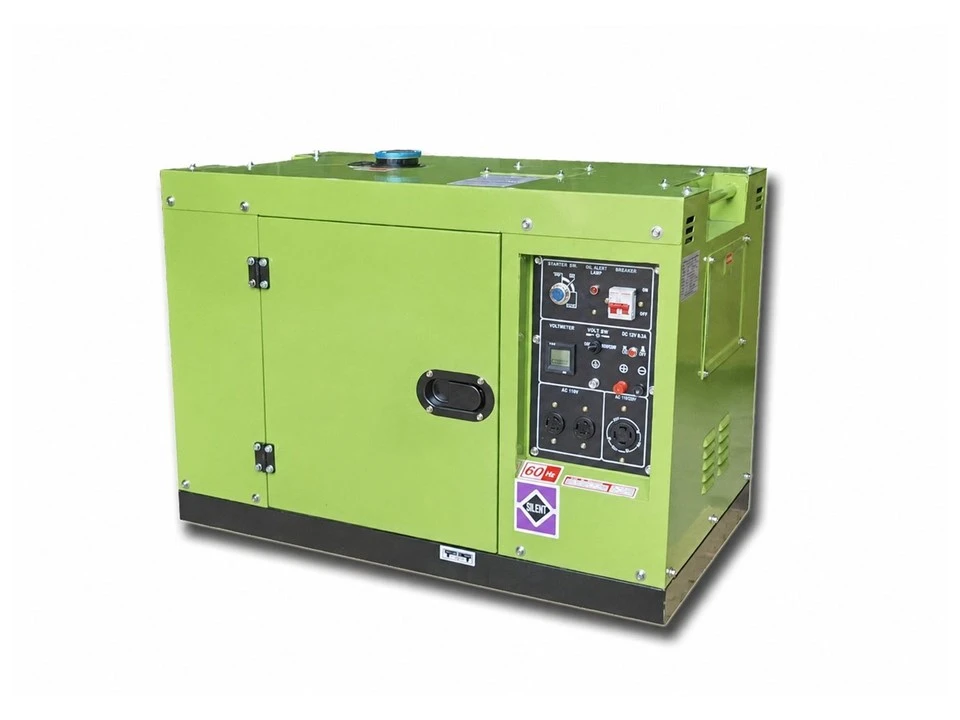
Now, why does silence matter here? If you’ve ever used a regular open-frame generator, you know how loud they can be—some reach 70 or 80 decibels, which is about as loud as a lawnmower or heavy traffic. That’s not ideal for a home workout, where you might be listening to music or a podcast, or for a backyard gathering where you don’t want the generator to drown out conversation. Silent portable generators are designed to dampen that noise, using insulated enclosures, mufflers, and sometimes variable speed engines that adjust based on the load. That’s why so many people turn to these units for home use, and that includes powering fitness equipment.
But here’s the catch: not all silent generators are built the same. A generator that’s too small will struggle to power a treadmill, especially when the motor starts up, leading to unstable power that can damage both the treadmill’s electronics and the generator itself. When I first started in this industry, I had a customer who tried to power his 2,500-watt treadmill with a 2,000-watt mini silent generator for home use—it worked for a few minutes, then the generator’s circuit breaker tripped, and he had to wait 10 minutes for it to reset. That’s not the kind of interruption you want mid-run. The best approach is to calculate the total power needs of your specific treadmill, then pick a generator that exceeds that number by 20 to 25 percent. This buffer ensures that the generator has enough power to handle starting surges and doesn’t have to work at maximum capacity all the time, which also helps keep noise levels down and extends the unit’s lifespan.
Let’s break down different generator options based on treadmill use cases. If you have a small apartment or a compact treadmill, a mini silent generator for home might be enough. These units are lightweight, easy to move around, and typically put out between 1,000 and 4,000 watts. For example, a 2,500-watt mini generator would handle a treadmill with a 2,000 running watt and 4,000 starting watt demand, as long as it has a clean sine wave output. Wait—clean sine wave? That’s another important detail. Some generators put out modified sine wave power, which is cheaper but can cause issues with sensitive electronics like treadmill control panels, LED displays, and even the motor. Modified sine wave can lead to uneven speed, overheating, or even long-term damage to the treadmill’s components. All of the silent generators we supply here use pure sine wave technology, which delivers the same smooth, consistent power as your home’s grid, making them safe for all types of fitness equipment.
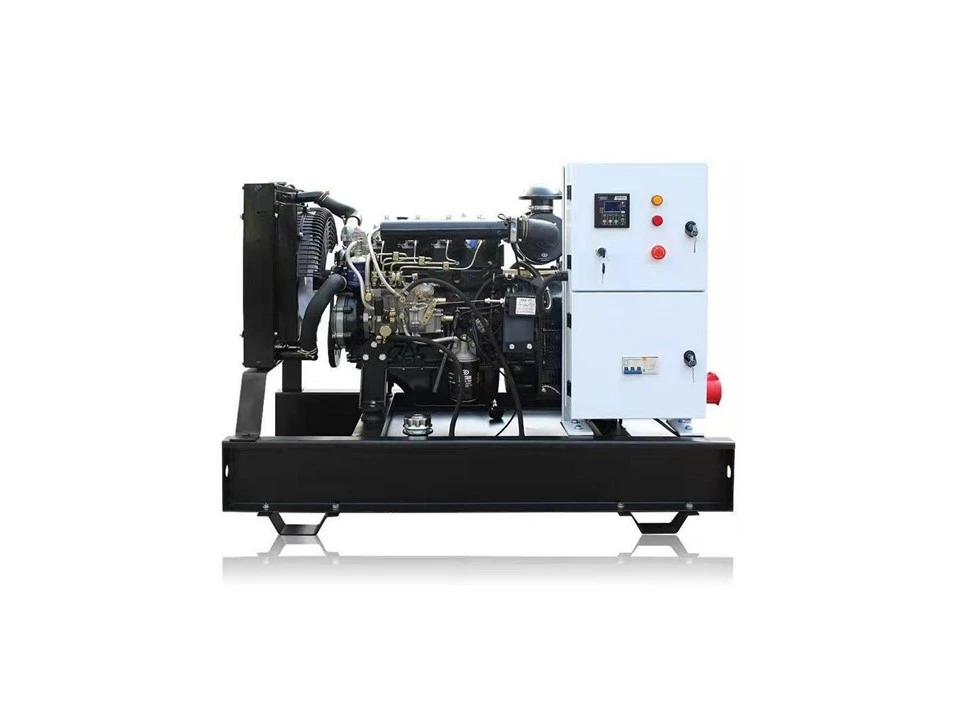
If you have a larger home gym with a heavy-duty treadmill, you’ll need more power. A 20kw silent diesel generator is a popular choice for whole-home backup, and it can easily handle not just a treadmill, but other gym equipment like a stationary bike, elliptical, or even a weight room setup, plus essential home appliances during a blackout. The 20kw unit puts out enough power to run multiple high-wattage devices at once, and its enclosed design keeps noise levels low enough that you can work out in the same room without distraction. If you’re someone who works out with other people, like a family or a workout partner, this extra power buffer is also useful because you don’t have to worry about tripping breakers if someone turns on a light or a TV while you’re running.
Another option is the generator silent 8500, a mid-sized unit that balances portability and power. It’s big enough to handle most residential treadmills, with a running wattage of around 6,500 and a starting wattage of 8,500, so it has more than enough capacity for a 3,000-watt starting treadmill. It’s also quieter than standard open-frame generators, with noise levels around 60 to 65 decibels—similar to normal conversation, so you won’t have to yell to be heard over the generator while you’re working out. This is a great choice if you want a portable unit that you can move between a home gym, a garage, or even a covered patio for outdoor workouts.
For those who need a reliable generator that’s built for both home use and light commercial applications, Suptech diesel generator units are designed with durability in mind. They have larger fuel tanks, longer run times, and the same quiet enclosure technology as our other models, making them ideal if you have a heavy-use treadmill or multiple fitness machines. Many of our gym owners and frequent exercisers prefer these because they can run for 10 or more hours on a single tank of fuel, so you don’t have to stop mid-workout to refuel, even if you’re doing a long training session.
You might be wondering: is there a generator specifically designed for quiet use? Absolutely. The Most Quiet Generator in our lineup is a 5kw unit that uses advanced noise-dampening technology, including a double-walled enclosure and a sound-absorbing liner that cuts noise to around 55 decibels—quiet enough that you could have a conversation in the same room without noticing the generator is on. While this unit is a bit smaller, it’s still powerful enough for most home treadmills, with a running wattage of 5,000 and a starting wattage of 6,250. It’s perfect for anyone who values a near-silent operation, whether you’re working out early in the morning or late at night when noise could disturb neighbors.
Now, let’s talk about safety. When connecting a generator to a treadmill, it’s crucial to follow proper procedures to avoid carbon monoxide poisoning, which is a risk with any gasoline or diesel-powered generator. Never run a generator indoors, in a garage, basement, or any enclosed space—even if you think you have enough ventilation. Generators should be placed at least 20 feet away from your home or workout space, with exhaust pointing away from windows and vents. Also, never plug a treadmill into a generator through an extension cord that’s too long or damaged—make sure the cord is rated for the wattage of both the treadmill and the generator, and that it’s a heavy-duty outdoor cord to handle the power load. If you’re unsure about the right cord or connection, our team can help you figure out the best setup for your specific equipment.
Another common question: can you run other things alongside the treadmill? For most silent portable generators, the answer is yes, but you have to stay within the total wattage limit. For example, if your treadmill uses 2,500 running watts, a 5,000-watt generator leaves plenty of power to run a small fan, a speaker for music, or even a refrigerator if you’re using the generator for whole-home backup. But if you’re using a smaller mini generator, you’ll want to avoid running other high-wattage devices at the same time as your treadmill, because that can push the generator beyond its capacity.
I’ve seen firsthand how a good silent generator can change the workout experience. A few months ago, a customer reached out to us after a string of summer blackouts in his neighborhood. He had a nice treadmill, but the noise of his old generator made his workouts miserable. He bought our 20kw silent diesel generator, and he told us that now he can run his treadmill while the rest of his family sleeps, or work out in his garage without worrying about the noise disturbing the neighbors. He even started hosting small workout sessions with friends in his backyard, using the generator to power the treadmill and a portable speaker, no loud noise to bother anyone nearby.
But it’s not just about convenience. For people who work out on a schedule, a silent generator for a treadmill is a reliable backup when the power goes out. Whether you’re training for a race, sticking to a New Year’s resolution, or just trying to stay healthy during busy weeks, missing a workout because of a power outage can throw off your entire routine. A good silent generator takes that stress away, so you can focus on your fitness, not on waiting for the lights to come back on.
When shopping for a generator to power a treadmill, there are a few key things to keep in mind: first, check your treadmill’s manual for its exact running and starting wattage—this is the most accurate way to pick the right size. Second, prioritize pure sine wave output to protect your treadmill’s electronics. Third, look for a generator with noise levels below 70 decibels (preferably below 65) for a workout-friendly environment. And fourth, choose a unit from a reputable supplier that offers support to help you make the right choice for your needs.
At our company, we specialize in silent portable generators designed for home use, fitness equipment, and backup power. We’ve worked with hundreds of customers to match the right generator to their treadmill, whether they have a compact home unit or a heavy-duty gym setup. If you’re in the market for a generator to power your treadmill, we can help you explore our lineup, including the [20kw Silent Diesel Generator], [The Most Quiet Generator], [Suptech Diesel Generator], [Mini Silent Generator For Home], and [Generator Silent 8500]. Our team can answer any questions you have about power requirements, noise levels, installation, and maintenance.
If you’re ready to find a silent generator that works seamlessly with your treadmill, or if you want to discuss your specific needs for backup power and fitness equipment compatibility, we’re here to help. Reach out to our team to start a conversation about the right solution for your home or workout space.
References
- International Energy Agency. (2022). Global Electricity Supply Outlook: Backup Power and Resilience. IEA Publications.
- Consumer Reports. (2023). Generator Buying Guide: Safety, Wattage, and Sine Wave Technology. Consumer Reports, Inc.
- American Council on Exercise. (2021). Home Fitness Equipment Power Requirements and Backup Solutions. ACE Fitness.
- Occupational Safety and Health Administration (OSHA). (2022). Generator Safety: Carbon Monoxide Risks and Proper Usage. U.S. Department of Labor.
- Diesel Technology Forum. (2023). Silent Generator Technology for Residential and Light Commercial Applications. Diesel Technology Forum.