

How do I adjust the fuel injection in a small diesel generator set?
As a supplier of small diesel generator sets, I've had my fair share of customers asking about how to adjust the fuel injection in these machines. It's a crucial aspect of maintaining the generator's performance, and getting it right can make a big difference in how well your generator runs. So, let's dive into the nitty - gritty of fuel injection adjustment in small diesel generator sets.
Why Fuel Injection Adjustment Matters
Before we get into the how - to, let's talk about why fuel injection adjustment is so important. In a diesel engine, the fuel injection system is responsible for delivering the right amount of fuel at the right time into the combustion chamber. If the fuel injection is off, you might face a bunch of problems.
You could have reduced power output. That means your 8kw Diesel Generator or 5kw Diesel Generator Set won't be able to provide the full amount of electricity it's supposed to. This is a major issue, especially if you're using the generator for critical tasks or during a power outage.
Another problem is poor fuel efficiency. If the fuel isn't being injected properly, you'll end up using more fuel to generate the same amount of power. That's not only bad for your wallet but also for the environment. And let's not forget about the increased emissions. A poorly adjusted fuel injection system can lead to higher levels of pollutants being released into the air.
Tools You'll Need
To adjust the fuel injection in a small diesel generator set, you'll need a few tools. First off, you'll need a set of wrenches. Different parts of the fuel injection system might require different sizes of wrenches, so having a variety is a good idea.
A feeler gauge is also essential. This tool helps you measure the clearances between parts in the fuel injection pump. It's important to get these clearances right for proper fuel injection.
You might also need a timing light. This tool helps you check the timing of the fuel injection. It's a bit more advanced, but it can be really useful if you want to get the most accurate adjustment possible.
Step - by - Step Guide to Fuel Injection Adjustment
Step 1: Safety First
Before you even start working on the fuel injection system, make sure the generator is turned off and has cooled down. Diesel fuel is flammable, and you don't want to risk any accidents. Also, wear appropriate safety gear, like gloves and goggles, to protect yourself from any fuel spills or debris.
Step 2: Locate the Fuel Injection Pump
The fuel injection pump is usually a fairly large, metal component on the side of the engine. It's connected to the fuel lines and the engine's camshaft. You might need to refer to your generator's manual to find it exactly, but it's usually easy to spot once you know what you're looking for.
Step 3: Check the Fuel Injection Timing
This is where the timing light comes in handy. Start the generator and let it warm up to its normal operating temperature. Then, use the timing light to check the timing marks on the engine's flywheel. The timing of the fuel injection is crucial, and these marks will tell you if it's set correctly.
If the timing is off, you'll need to adjust the fuel injection pump. This usually involves loosening a few bolts on the pump and moving it slightly until the timing is right. You'll need to be careful and make small adjustments, as even a tiny change can have a big impact on the engine's performance.
Step 4: Adjust the Fuel Quantity
The fuel injection system also needs to deliver the right amount of fuel. You can adjust this by turning the adjustment screws on the fuel injection pump. These screws control the amount of fuel that's injected into the engine on each stroke.
To figure out how much to adjust, you might need to do some trial and error. Start by making small adjustments and then test the generator's performance. You can check the power output, fuel consumption, and exhaust emissions to see if the adjustments are having the right effect.
Step 5: Check the Injector Nozzles
The injector nozzles are the parts that actually spray the fuel into the combustion chamber. Over time, these nozzles can get clogged or worn out, which can affect the fuel injection. You can remove the injector nozzles and clean them using a special cleaning solution.
If the nozzles are too worn, you might need to replace them. Make sure to use the right type of injector nozzles for your generator set. You can usually find this information in the generator's manual.
Tips for a Successful Adjustment
- Take Your Time: Fuel injection adjustment is not something you should rush. It's important to make small, precise adjustments and test the generator's performance after each one.
- Keep Records: Write down the settings and adjustments you make. This can be really helpful if you need to make further adjustments in the future or if you run into any problems.
- Refer to the Manual: Your generator's manual is your best friend when it comes to fuel injection adjustment. It will have specific instructions and settings for your particular model.
When to Seek Professional Help
While it's possible to adjust the fuel injection in a small diesel generator set on your own, there are times when it's better to call in a professional. If you're not comfortable working with engines or if you're having trouble getting the adjustments right, it's a good idea to get help.

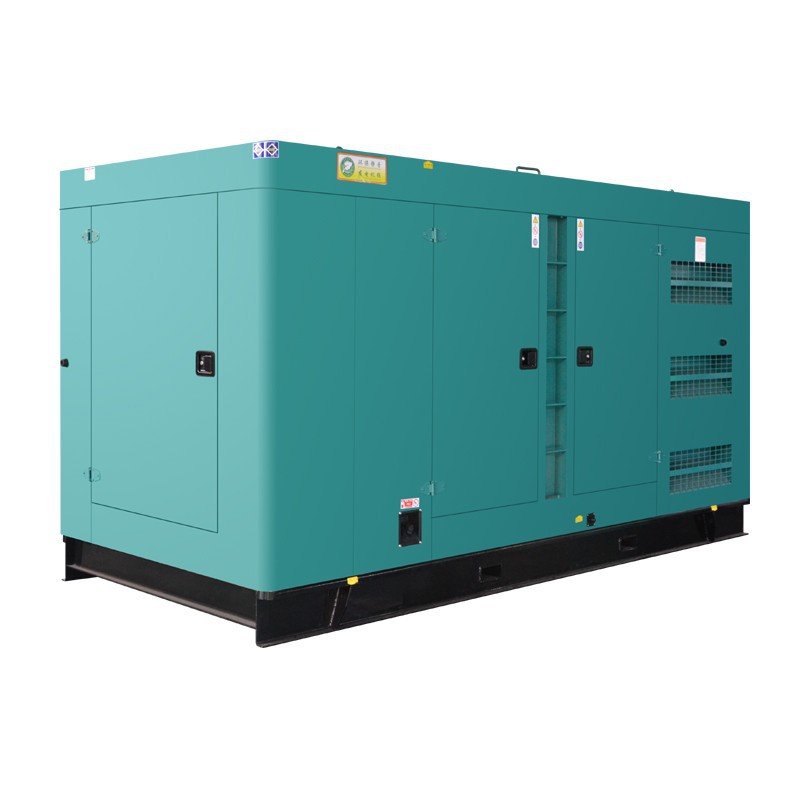
Also, if your generator is still under warranty, making adjustments yourself might void the warranty. In that case, it's best to have a qualified technician do the work.
Conclusion
Adjusting the fuel injection in a small diesel generator set is an important part of keeping it running smoothly. By following the steps I've outlined here and using the right tools, you can improve your generator's performance, fuel efficiency, and reduce emissions.
Whether you're using a Diesel Generator for Camping or a larger generator for backup power, proper fuel injection adjustment is key. If you have any questions or need more information about our small diesel generator sets, don't hesitate to reach out to us for procurement and further discussions.
References
- Diesel Engine Handbook, Various Authors
- Small Generator Maintenance Guides, Industry Publications