

How does a 6.6kv Diesel Genset interact with other electrical equipment in a facility?
Hey there! As a supplier of 6.6kv Diesel Gensets, I've seen firsthand how these powerhouses interact with other electrical equipment in various facilities. It's a pretty fascinating topic, and I'm stoked to share some insights with you.
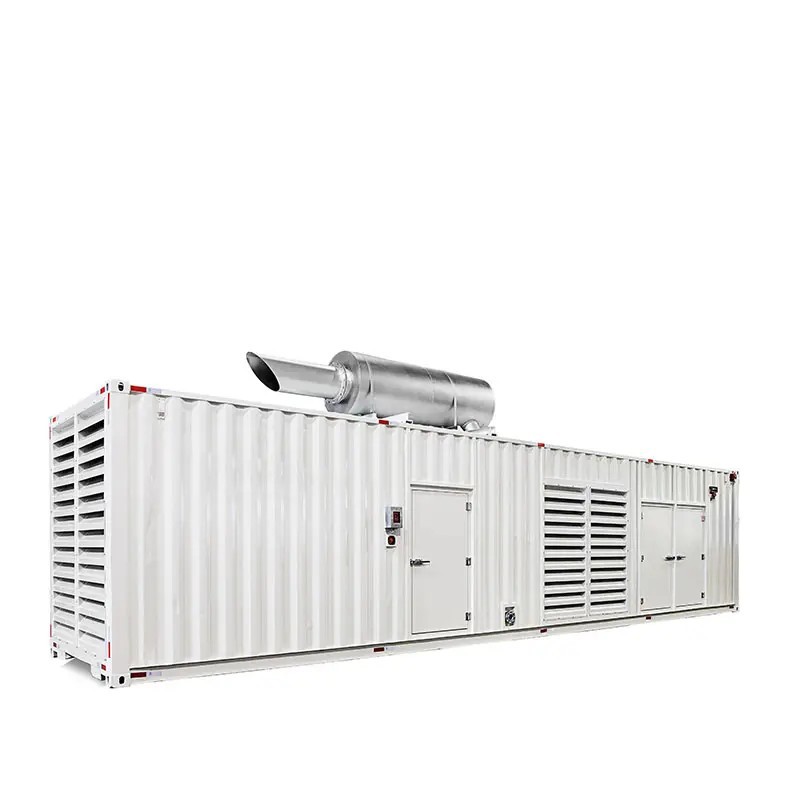
Let's start by getting a quick overview of what a 6.6kv Diesel Genset is. You can learn more about it here: 6.6kv Diesel Genset. Essentially, it's a generator powered by a diesel engine that produces electricity at a voltage of 6.6 kilovolts. These gensets are commonly used in industrial settings, construction sites, and even some large commercial buildings where a reliable and powerful source of backup or primary power is needed.
Interaction with Switchgear
One of the first pieces of electrical equipment that a 6.6kv Diesel Genset interacts with is the switchgear. Switchgear is like the traffic controller of the electrical system. It controls, protects, and isolates the electrical equipment and circuits. When the genset starts up, the switchgear needs to connect it to the electrical network properly.
There are two main types of switchgear that can be involved: the main switchgear and the transfer switchgear. The main switchgear is usually a large, central panel that distributes power throughout the facility. The transfer switchgear, on the other hand, is responsible for switching between the utility power and the genset power when needed.
For example, during a power outage, the transfer switchgear detects the loss of utility power and automatically transfers the load to the 6.6kv Diesel Genset. Once the utility power is restored, it switches the load back. This seamless transition is crucial to keep the operations in the facility running smoothly. And if you're interested in high - voltage diesel generators in general, check out this: High Voltage Diesel Generator.
Connection with Transformers
Transformers play a vital role in the interaction between the 6.6kv Diesel Genset and other equipment. In many cases, the voltage produced by the genset needs to be stepped up or down to match the requirements of the electrical equipment in the facility.
If the facility has equipment that operates at a lower voltage, such as 400V, a step - down transformer is used. The 6.6kv output from the genset is fed into the primary side of the transformer, and a lower voltage is obtained on the secondary side. On the other hand, if there's equipment that requires a higher voltage, like some large industrial motors or long - distance transmission lines, a step - up transformer may be used.
The transformer needs to be properly sized to handle the power output of the genset. An undersized transformer can overheat and cause damage, while an oversized one can be inefficient. It's important to do a detailed load analysis to select the right transformer for the job.
Interaction with Protective Relays
Protective relays are another key component in the electrical system. They monitor the electrical parameters such as current, voltage, and frequency. If any of these parameters go outside the normal range, the protective relays will trigger a response to protect the genset and other equipment.
For example, if the current in the genset's output circuit exceeds a certain value, the over - current relay will trip the circuit breaker. This helps prevent damage to the genset due to excessive current, which could be caused by a short - circuit or an overload. Similarly, under - voltage and over - voltage relays monitor the voltage levels and can take action to safeguard the electrical equipment.
The 6.6kv Diesel Genset is also equipped with its own set of protective relays. These are designed to protect the engine, the alternator, and other components of the genset. They work in tandem with the overall protective relay system in the facility to ensure the reliable and safe operation of the electrical system.
Integration with Control Systems
Modern facilities often have sophisticated control systems to manage the operation of the electrical equipment, including the 6.6kv Diesel Genset. These control systems can be programmed to start and stop the genset based on various conditions, such as time schedules, load demands, or the status of the utility power.
The genset can be integrated with the control system through communication protocols such as Modbus, Profibus, or Ethernet. This allows the control system to monitor the performance of the genset, such as its fuel level, engine temperature, and power output. It can also perform diagnostic tests and receive alarms in case of any issues.

For instance, if the fuel level in the genset drops below a certain level, the control system can send an alert to the maintenance team. This helps in proactive maintenance and ensures that the genset is always ready to provide power when needed.
Compatibility with Other Electrical Loads
The 6.6kv Diesel Genset needs to be compatible with the various electrical loads in the facility. Different types of loads have different electrical characteristics. For example, inductive loads like motors require a higher starting current compared to resistive loads like heaters.
The genset should be able to handle the inrush current of the inductive loads without tripping or experiencing a significant drop in voltage. This requires careful sizing of the genset and proper selection of the starting method for the motors. Soft - starters or variable frequency drives can be used to reduce the inrush current and make the load more compatible with the genset.
Advanced Considerations
In some facilities, there may be multiple 6.6kv Diesel Gensets operating in parallel. When gensets operate in parallel, they need to be synchronized so that they can share the load evenly. This involves matching the voltage, frequency, and phase angle of the gensets.
There are also some special types of electrical equipment in certain facilities, such as sensitive electronic equipment. For these, additional measures may be needed to ensure power quality. This can include the use of uninterruptible power supplies (UPS) in combination with the genset to provide a stable and clean power source.
Why Choose Our 6.6kv Diesel Gensets
Our 6.6kv Diesel Gensets are designed to provide seamless interaction with all types of electrical equipment in your facility. We've got years of experience in the industry, and our gensets are built with high - quality components to ensure reliability and performance.
If you're in the market for a 6.6kv Diesel Genset or even an 11kv Diesel Generator, we're here to help. We offer a range of models to suit different power requirements and budgets. Our team of experts can assist you in choosing the right genset for your facility and provide support for installation, maintenance, and troubleshooting.
If you have any questions or want to start a discussion about your power needs, don't hesitate to reach out. We're looking forward to working with you to keep your facility powered up and running smoothly!
References
- Electrical Power Systems Basics, Publication by Institute of Electrical and Electronics Engineers (IEEE)
- Handbook of Generator Technology, Published by McGraw - Hill
- Standards for Power Generation Equipment, Set by International Electrotechnical Commission (IEC)