

How does the control panel of a silent gen set function?
If you’ve ever been around a silent generator set (you know, the ones that don’t wake up the whole neighborhood when the power cuts out), you’ve probably glanced at its control panel and thought, “What even does all that stuff do?” As a supplier of these machines for years, I get it—most folks just see buttons, lights, and numbers and figure it’s all black magic until something goes wrong. But the control panel is basically the generator’s brain, right? It’s not just for pushing “start”; it’s what keeps the whole thing running smooth, safe, and exactly how you need it to, whether you’re powering a worksite, a RV, or a backup for a warehouse.
Let’s break it down like I’m explaining it to a friend who’s never touched one. First, the core job of the control panel is to act as the middleman between you and the gen set itself. It takes input from you (hit start, adjust voltage) and sends signals to the engine, alternator, and other parts to do what they need to do. But it also watches those parts 24/7—no more guessing if your gen set’s overheating or running low on fuel. For silent gensets, this is even more important because these units are usually tucked somewhere tight, like a garage or a RV bay, so you can’t just lean over to check the engine every 10 minutes. The panel does all the monitoring for you.
Let’s start with the basics: startup and shutdown. I’ve had customers call panicking at 2 a.m. because the power went out, and their gen set wouldn’t turn on. Half the time, it’s not a broken unit—it’s someone pressing the wrong button on the panel. Most modern silent gen set panels have three main startup modes: manual, automatic, and remote. Manual is the old-school way—you turn a key or press a “Start” button directly. That’s what you’ll see on smaller units, like the Mq Power 20kW Diesel Generator we sell for small homes or RVs. If you’re on a job site and need to crank it right there, manual is quick and no-fuss.
Automatic mode is the real workhorse for backup power. The panel connects to your building’s main power grid—usually via a transfer switch—and when it detects the grid goes out, it automatically fires up the gen set in 10 to 15 seconds. It’s smart enough to wait a beat (no, not that it’s lazy, just to make sure the power is actually gone, not a flicker) and then switch your building over to the gen. When grid power comes back, it runs the gen for a few more minutes to cool down the engine, then shuts it off. That’s way better than rushing outside in the rain at 3 a.m., right? And for bigger setups, like a warehouse, the Silent Power Generator 180kva has automatic mode that can handle heavy loads, like refrigeration units or server racks, without skipping a beat.
Then there’s remote mode. A lot of our customers with Blackstone Diesel Generators (used for remote worksites or off-grid cabins) love this because you can start or stop the gen set from your phone or laptop. No driving 20 minutes down a dirt road just to turn it on. The panel connects to a cellular or Wi-Fi module, so you can check fuel levels, adjust settings, or get alerts if something’s off—all from your couch. That’s a game-changer for people who don’t want to be tied to their gen set 24/7.
Now, the monitoring part—this is where the panel earns its keep. Silent gensets are designed to be low-noise, but that doesn’t mean they’re low-maintenance. The panel tracks every critical stat so you don’t have to be a diesel mechanic to keep it running. Let’s go through the most important ones:
First, voltage and frequency. Your appliances (fridges, computers, tools) run on a specific voltage (usually 120V or 240V in the U.S.) and frequency (60Hz for North America, 50Hz for Europe). The panel has a gauge or digital readout that shows both, and it adjusts the engine’s speed to keep them steady. If voltage drops too low or spikes too high, the panel will shut the gen set down automatically to protect your stuff—no fried computers or spoiled food because your gen set had a glitch.
Next, engine stats: oil pressure, coolant temperature, and fuel level. Oil pressure is like the gen set’s blood pressure—too low, and the engine seizes up. The panel has a low-oil-pressure alarm that’ll beep (or send an alert if you’re in remote mode) and shut things down before damage happens. Coolant temperature? If the engine overheats, that’s a quick death. The panel watches it, and if it gets too hot, it warns you. Fuel level is obvious—no one wants their gen to die mid-power outage because they forgot to fill up. Smaller units like the Silent Generator For Motorhome have a simple fuel gauge, while bigger setups have digital readouts that tell you exactly how many hours of run time you have left before refueling.
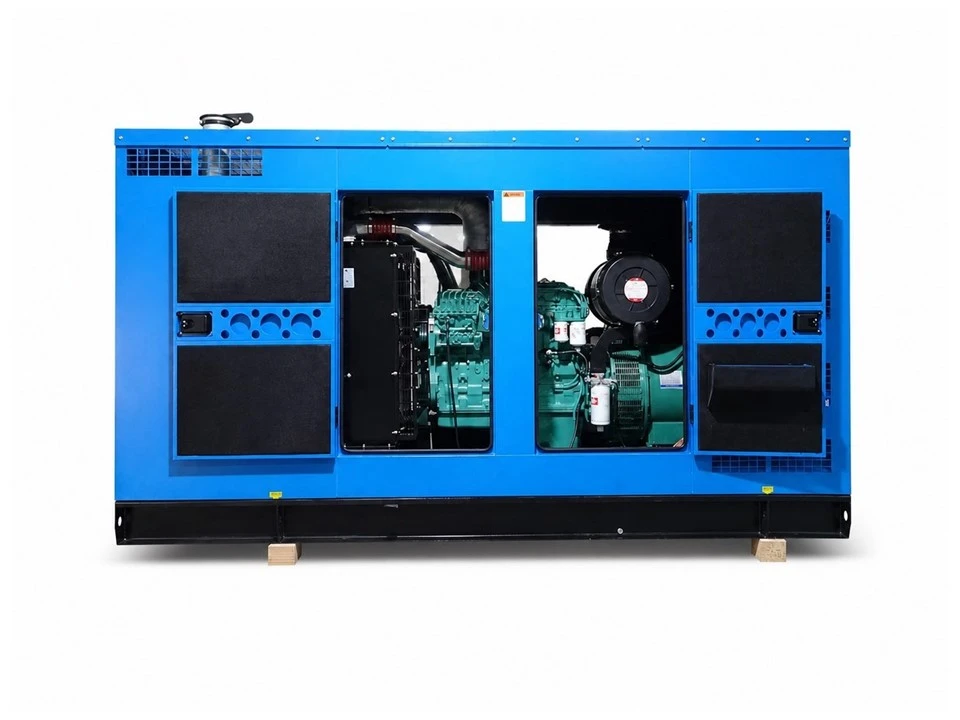
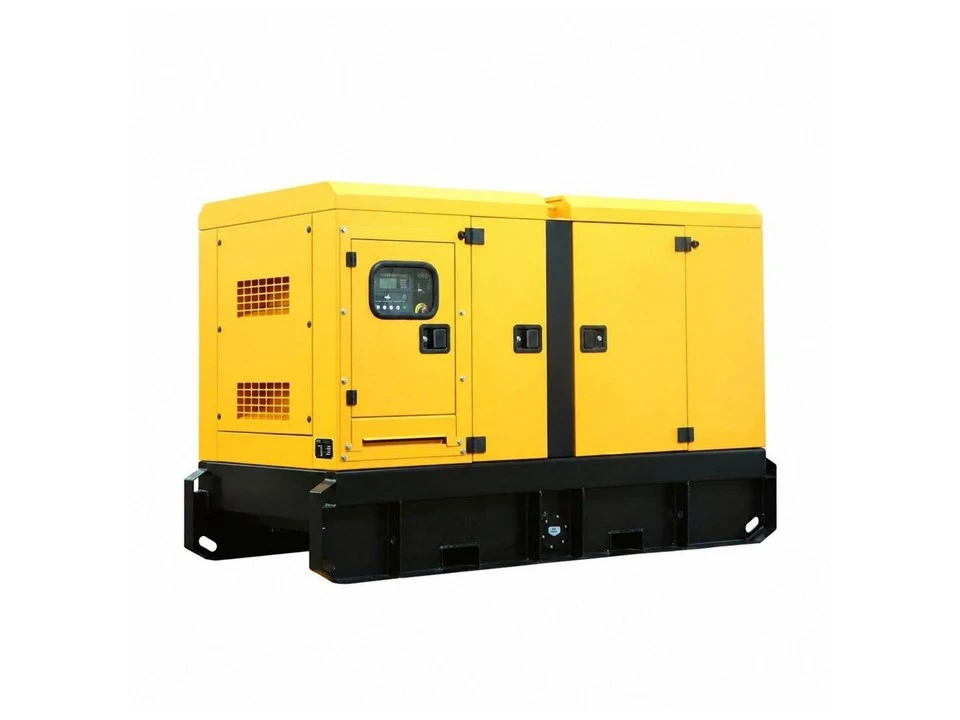
Then there’s run time and load monitoring. The panel counts how many hours the gen has been running—super important for maintenance, like oil changes or filter replacements. Most panels will send a reminder when it’s time for service, so you don’t miss a beat. Load monitoring tells you how much power the gen is currently outputting, so you know if you’re overloading it. Overloading a silent gen set can damage the alternator, so the panel will warn you if you’re running too many things at once (like running your AC, microwave, and power tools all at the same time) and maybe even shut it down to keep it safe.
Now, the little extras that make these panels worth it. A lot of our panels have a “test” mode, where you can start the gen set for a few minutes every week to make sure it’s working, without switching over to the grid. That’s perfect for backup gensets that sit unused for months—you don’t want it to die when you actually need it. Some panels also have a “parallel” function, if you want to connect two gen sets together for more power. The Suptech Diesel Generator, for example, can be paired with another unit for bigger loads, and the panel will sync both so they run at the same speed and share the load evenly.
Wait, let’s not forget safety. Silent gensets are mostly installed in enclosed spaces (to keep the noise down), so carbon monoxide is a real risk. A lot of modern panels have a CO sensor built-in, too—if CO levels get too high, the panel will shut the gen down immediately and alert you. That’s a feature we’ve added to almost all our models in the last few years because safety isn’t something to mess with. No one wants a silent gen set that’s quiet but dangerous.
I’ve seen a lot of customers skip understanding the control panel, and that’s where problems start. Once, a guy bought a 180kva silent generator for his warehouse, but he tried to run his entire factory’s HVAC system on it at once. The panel’s load alarm went off, but he didn’t know what it meant, so he kept going—fried the alternator, and he was without power for 3 days while we fixed it. That’s the kind of mistake the panel is there to prevent. If you take 10 minutes to read the basics of your control panel, you can avoid a lot of headaches.
Another common question: can you upgrade the control panel later? Yep. If you start with a basic panel for your home, then later you want remote access, you can add a module to the panel without replacing the whole gen set. That’s flexible, which is why a lot of our customers come back to us when they need to expand their setup.
Now, if you’re in the market for a silent gen set, don’t just look at the size or noise level. The control panel is one of the most important parts to check. You want one that’s easy to use, has all the monitoring and safety features you need, and fits your setup—whether that’s a small RV, a worksite, or a big warehouse. We’ve got all the options here: from the compact Mq Power 20kW for small use, up to the 180kva for heavy backup.
If you’re ready to find the right control panel (or the whole gen set) for your needs, reach out to our team. We don’t do hard sales pitches—we’ll walk you through what each panel does, answer any questions, and help you pick the setup that fits exactly what you need. Whether you’re a homeowner needing backup power, a contractor needing a worksite unit, or an RV owner looking for quiet power on the road, we’ve got you covered.
References
- “Silent Diesel Generator Set Control Systems: A Practical Guide”, Power Equipment Association, 2023
- “Functionality and Safety Features of Modern Generator Control Panels”, Global Power Supply Magazine, Volume 15, Issue 2, 2022
- “Silent Generator Installation Best Practices”, Portable Power Industry Report, 2024
- “Maintenance Schedules for Diesel Generator Control Panels”, Diesel Technology Journal, 2023