

How does the design of a silent generator contribute to noise reduction?
Yo, folks! As a supplier of silent generators, I've seen firsthand how the design of these machines plays a crucial role in noise reduction. In this blog, I'm gonna break down the key design elements that make our silent generators so quiet and why they're a great choice for various applications.
Enclosure Design
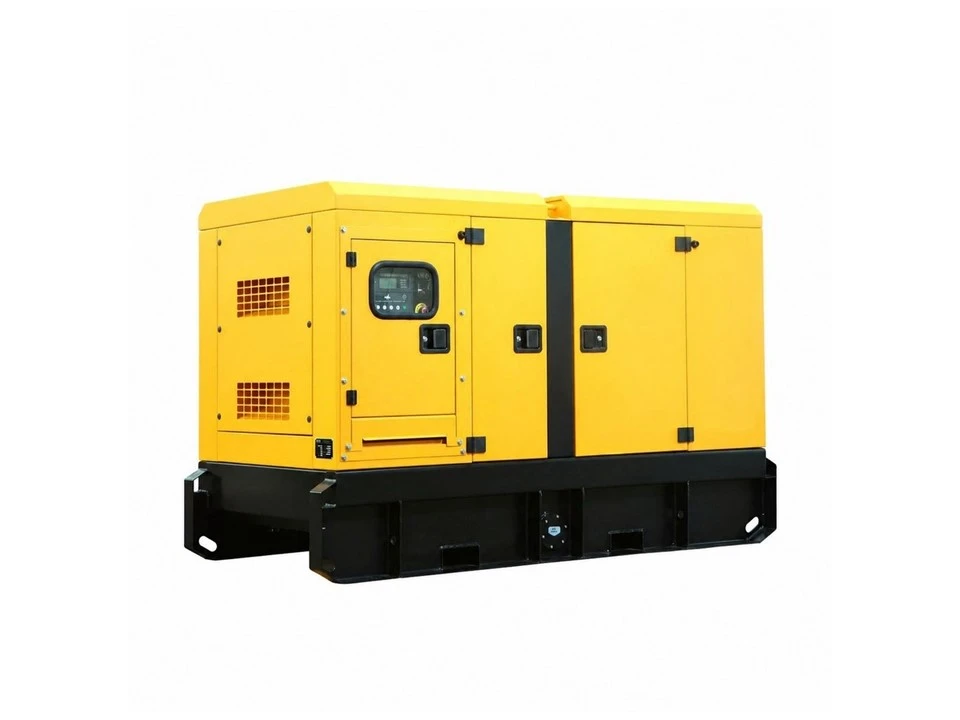
One of the most obvious features of a silent generator is its enclosure. The enclosure acts as a shield, blocking the sound waves from the engine and other components from escaping into the environment. Our enclosures are made from high - quality materials that are specifically chosen for their sound - absorbing properties.
We use a combination of thick metal sheets and sound - insulating foam. The metal provides a solid outer layer that can withstand the rigors of daily use, while the foam inside absorbs the sound waves. This double - layer design is super effective in reducing noise. For instance, our 100kw Silent Diesel Generator has an enclosure that's carefully engineered to keep the noise level down to a minimum, even when it's running at full capacity.
The shape of the enclosure also matters. We design our enclosures with smooth curves and rounded edges. This helps to direct the sound waves in a way that they're less likely to bounce back and create more noise. Instead of having sharp corners that can cause sound reflections, our rounded enclosures allow the sound to disperse more evenly, reducing the overall noise output.
Engine Isolation
The engine is the heart of a generator, but it's also one of the biggest sources of noise. To combat this, we use advanced engine isolation techniques. Our generators are equipped with rubber mounts that separate the engine from the frame of the generator. These rubber mounts act as shock absorbers, reducing the vibration that's transmitted from the engine to the rest of the machine.
When the engine vibrates, it creates noise. By isolating the engine, we can significantly cut down on this noise. The rubber mounts are designed to be flexible enough to absorb the vibrations but also strong enough to hold the engine in place. This ensures that the engine runs smoothly and quietly. For example, in our Low Noise Diesel Generator, the engine isolation system is top - notch, making it a great option for places where noise is a concern.
Exhaust System Design
The exhaust system of a generator can be a major contributor to noise. That's why we pay a lot of attention to the design of our exhaust systems. We use mufflers that are specifically designed to reduce noise. These mufflers work by creating a series of chambers and baffles that slow down the flow of exhaust gases and reduce the pressure waves that cause noise.
Our mufflers are made from high - grade materials that can withstand the high temperatures and pressures of the exhaust gases. They're also designed to be as efficient as possible, so they don't affect the performance of the generator. In addition to the muffler, we also use flexible exhaust pipes. These pipes help to absorb the vibrations from the engine and prevent them from being transmitted through the exhaust system. Our Soundproof Diesel Generator has an exhaust system that's optimized for noise reduction, making it a quiet and reliable choice.
Cooling System Design
A generator needs a cooling system to prevent it from overheating, but the cooling system can also generate noise. We've designed our cooling systems to be as quiet as possible. We use large - diameter fans that rotate at a lower speed. This reduces the noise generated by the fan blades cutting through the air.
In addition to the fan design, we also use a shroud around the fan. The shroud helps to direct the airflow and reduce turbulence, which in turn reduces noise. The cooling system is also integrated with the enclosure design, so the hot air can be efficiently expelled without creating a lot of noise. Our Silent Generator For Motorhome has a cooling system that's designed to be quiet, making it perfect for use in a motorhome where noise can be a real annoyance.
Intake System Design
The intake system of a generator is responsible for bringing in air for combustion. However, the intake of air can also create noise. To address this, we've designed our intake systems to minimize noise. We use air filters that are designed to reduce the noise of the incoming air. These filters have a special design that allows them to trap dust and debris while also dampening the sound of the air flowing through them.
We also use intake ducts that are designed to be as smooth as possible. This reduces the turbulence of the air as it enters the generator, which in turn reduces noise. The intake system is carefully integrated with the overall design of the generator to ensure that it doesn't add to the noise level. Our Mini Silent Generator For Home has an intake system that's designed to be quiet, making it a great choice for home use.
Why Choose Our Silent Generators
Our silent generators are designed with noise reduction in mind from the ground up. Whether you're using a generator at home, in a motorhome, or for industrial purposes, our generators can provide you with the power you need without the annoying noise.
The advanced design features we've implemented, such as the enclosure design, engine isolation, exhaust system design, cooling system design, and intake system design, all work together to ensure that our generators are some of the quietest on the market. And we don't just focus on noise reduction; we also make sure that our generators are reliable, efficient, and easy to use.
If you're in the market for a silent generator, we'd love to talk to you. Whether you need a small generator for your home or a large one for your business, we have the right solution for you. Contact us today to discuss your requirements and let us help you find the perfect silent generator for your needs.

References
- "Generator Noise Reduction: A Comprehensive Guide", Generator World Magazine, 2022
- "Design Principles for Quiet Generators", Power Systems Journal, 2021
- "The Impact of Enclosure Design on Generator Noise", Industrial Power Research, 2020