

How to adjust the power output of a silent genset?
If you’ve ever relied on a silent genset to power critical equipment—whether for a construction site after dark, a remote RV campsite, or a backup for a small business—you know how frustrating it can be when the power output doesn’t match what you need. Run it too low, and you risk overloading it if you add a high-draw tool or appliance; run it too high, and you’re wasting fuel, shortening the unit’s lifespan, or even creating unnecessary noise that defeats the whole point of buying a silent model. As a silent genset supplier, I’ve spent years helping customers troubleshoot these exact issues, and I’ve learned that adjusting power output isn’t a one-size-fits-all fix—it’s a process that balances science, your specific use case, and the unique design of your soundproof unit.
First, let’s get one thing straight: silent gensets aren’t “set it and forget it” machines. Their core is a diesel engine connected to an alternator, wrapped in a sound-dampening enclosure that keeps noise levels under 70 dB (quiet enough for residential areas or overnight work shifts). But how much power they put out depends on three key factors: engine load, alternator excitation, and fuel injection timing. Mess with any of these without knowing what you’re doing, and you could damage the unit or void the warranty, which is why I always emphasize following the manufacturer’s guidelines first. That said, there are safe, practical ways to adjust output to fit your needs, and I’m going to walk you through them step by step, plus share common mistakes I see customers make all the time.
Start with the basics: matching power output to your actual load. The biggest mistake I see is either sizing a genset too large for the job or running it at only 20-30% of its maximum capacity. A Mikano 20kVA Generator, for example, is designed to run efficiently between 50-80% of its rated power. If you only need 5kVA to power a few lights and a laptop, running a 20kVA unit at 5kVA is like driving a truck at 10 mph—you’re wasting fuel and causing the engine to build up carbon deposits over time, which will reduce its lifespan. That’s where a quick load assessment comes in: add up the wattage of all the items you’ll power at once, plus a 10-15% buffer for startup surges (fridges, power tools, and AC units draw extra power when they turn on). If your total is 5kVA, you don’t need a 20kVA unit—you could opt for a smaller model, or adjust the output of a larger silent genset to run at its efficient lower range instead of maxing it out unnecessarily.
If you already have a silent genset and need to tweak its output, the first adjustment point is the engine’s governor. The governor is a mechanical or electronic component that controls how much fuel the engine gets based on the load it’s handling. On most modern soundproof diesel generators, it’s located on the side of the engine, inside the enclosure (you’ll need to remove a small panel to access it—always make sure the genset is turned off and cool before doing any work). For electronic governors, which are standard on models like our Soundproof Diesel Generator, there’s usually a small adjustment screw or a digital control panel that lets you set the desired RPM. The alternator’s output is directly tied to the engine’s RPM: diesel gensets operate at 1500 RPM or 3000 RPM (depending on the region’s grid frequency—50Hz or 60Hz), so adjusting the governor to lower RPM will reduce power output, while higher RPM will increase it. A word of caution here: never adjust the RPM more than 5% from the manufacturer’s rated setting. Doing so can cause the alternator to produce unstable voltage, which will damage sensitive electronics like phones, laptops, or medical equipment. I once had a customer who tried to crank his genset up 20% to power a portable welder, and within a week, his office’s server had fried because of fluctuating voltage—cost him thousands in repairs and a new alternator. That’s why taking readings with a multimeter is non-negotiable after any adjustment.
Next, check the alternator’s excitation system. The alternator converts the engine’s mechanical energy into electrical energy, and it relies on a small amount of “excitation current” to create the magnetic field needed to generate power. For many silent gensets, this excitation is controlled by an Automatic Voltage Regulator (AVR)—a small module mounted on the alternator that looks like a black box with wires coming out of it. Adjusting the AVR can be a more precise way to tweak power output without changing engine RPM, which is great if you only need a small adjustment for light loads. For example, if your Quiet RV Generators are powering only your AC and a microwave but you’re seeing dimming lights, you can adjust the AVR’s trim pot (a small, slotted screw on the module) to increase voltage slightly without cranking up the engine. Again, this is a delicate adjustment: turn the trim pot a quarter turn at a time, wait 30 seconds for the unit to stabilize, then check voltage with a multimeter. The ideal output is between 120-125V for North America and 220-240V for most other regions, with a maximum variance of ±5%. I always recommend testing this with no load first, then adding your appliances one by one to make sure the voltage stays consistent.
Another often-overlooked factor is fuel injection timing. This is more of an advanced adjustment, best left to a technician if you’re not familiar with diesel engine mechanics, but it can help you optimize power output for specific loads. Fuel injection timing refers to when the diesel fuel is sprayed into the engine’s cylinder; adjusting it forward or backward changes how efficiently the engine burns fuel, which affects both power and noise. For example, if you’re using your Portable Silent Diesel Generator for steady, low-load power (like powering a remote weather station), advancing the timing slightly can improve fuel efficiency and reduce exhaust fumes, while still giving you enough power to run the unit smoothly. But if you’re running high-load equipment like a air compressor, retarding the timing a small amount can reduce the risk of engine knock, which can damage the unit over time. This is not a DIY adjustment for most people, though—incorrect timing will cause poor performance, increased noise, and even engine damage, so always contact your supplier or a certified technician if you want to adjust timing.

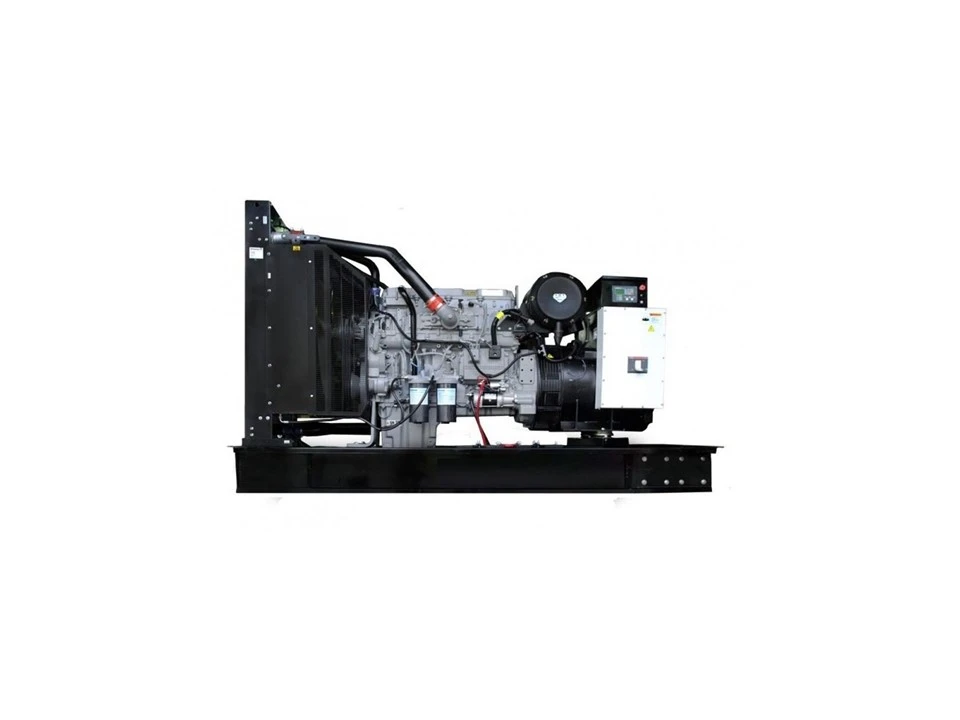
Now, let’s talk about when you shouldn’t adjust power output. If your silent genset is tripping overloads, it’s not a sign that you need to increase output—it’s a sign that the unit is too small for your load. Pushing a genset beyond its rated capacity will cause it to overheat, burn fuel inefficiently, and wear out the engine and alternator much faster. A good rule of thumb is to never exceed 110% of your genset’s rated power, even for short periods. If you’re constantly hitting overloads, it’s time to upgrade to a larger unit, not tweak the controls to get more power. That’s why our team always works with customers to calculate their exact load before recommending a model—for example, a customer who needs power for a 1,000 sq ft cabin with an AC, fridge, and water heater will need a different unit than someone powering a construction site with multiple power tools, and we’ll make sure they get the right size to avoid unnecessary adjustments.
There’s also a common myth that turning down power output will reduce noise. While it’s true that gensets run quieter at lower loads (especially when they’re running at their efficient 50-80% range), cranking output too low won’t make a noticeable difference, because the sound-dampening enclosure is designed to reduce noise regardless of load. The biggest factors for noise are engine speed and exhaust flow, so if you’re looking to make your genset quieter, focus on maintaining it (changing the oil and air filter regularly) instead of adjusting output. If you’re in the market for a unit that offers consistent quiet performance across different loads, our Soundless Generator Price guide has details on models optimized for low noise at all power levels.
As a silent genset supplier, I also want to emphasize the importance of regular maintenance when adjusting power output. Even the smallest adjustment will have negative effects if your unit is dirty or worn. A clogged air filter will reduce engine power, making your adjustments less effective, while old fuel can cause the engine to run rough, leading to unstable output. I always recommend doing a full service before any major adjustment: change the oil and oil filter, replace the air and fuel filters, check the spark plugs (for smaller units), and top off the fuel tank with fresh diesel (old fuel can cause clogging and poor combustion). This ensures that your adjustments are accurate and that your genset runs safely after you make them.
Let’s walk through a real example to make this concrete. Last quarter, a customer from a rural agricultural area reached out to us saying his silent genset was struggling to power his irrigation pump and a small cooling system for his livestock. He had a Mikano 20kVA Generator he bought three years prior, but he was running it at less than half its rated power and was seeing voltage drops when he turned on the pump. After doing a load assessment, we found he needed about 12kVA total, so his 20kVA unit was more than enough—he just wasn’t setting it up to run at its efficient range. We walked him through adjusting the electronic governor: we turned the RPM up slightly until we got consistent voltage at the 12kVA mark, then checked the AVR to make sure there were no fluctuations. We also helped him figure out that he could reduce his fuel costs by 15% by adjusting the load to run the unit at 60-70% of its capacity, which was perfect for his needs. A month later, he emailed us saying the adjustments had eliminated the voltage drops, lowered his fuel bills, and the unit was running quieter than before (because it was no longer straining at too low a load).
When all is said and done, adjusting the power output of a silent genset is about working with your unit, not against it. The key steps are: do a load assessment to know exactly how much power you need, use the governor and AVR for safe, precise adjustments, never exceed rated capacity, and always maintain your unit to keep adjustments effective. If you’re not comfortable making these adjustments yourself, or if you’re not sure what size genset is right for your needs, our team is here to help. We can provide guidance on everything from choosing the right model to making adjustments that fit your specific use case. To learn more about our range of silent gensets, including our line of portable and stationary models, visit our website to explore options like the Quiet RV Generators or Portable Silent Diesel Generator that can be customized to your power needs.
If you’re ready to find the right silent genset for your project or need help adjusting your current unit’s power output, our team is here to assist with personalized recommendations, technical support, and competitive pricing. Reach out to us to connect with a specialist today.
References:
- Diesel Generator Operation and Maintenance Manual, National Electrical Manufacturers Association (NEMA), 2022
- Silent Genset Sound Dampening Technology, International Association of Noise Consultants (IANC), 2021
- Automatic Voltage Regulator (AVR) Adjustment Guidelines, alternator manufacturer specifications, 2023
- Load Optimization for Diesel Generators, U.S. Department of Energy Office of Energy Efficiency and Renewable Energy, 2022