

How to choose the right portable diesel generator for my needs?
Selecting the right portable diesel generator to meet your specific needs is a crucial decision. As a seasoned supplier of portable diesel generators, I understand the challenges and considerations that come with this choice. In this blog, I'll guide you through the key factors to consider when choosing a portable diesel generator, ensuring that you make an informed decision that aligns with your requirements.
Power Output
The first and most important factor to consider is the power output of the generator. This is measured in kilowatts (kW) and determines how many appliances and devices you can run simultaneously. To calculate your power needs, make a list of all the appliances and devices you plan to power with the generator. Note down their wattage requirements, which can usually be found on the product label or in the user manual.
For example, a small refrigerator might require around 150 - 300 watts, a laptop around 50 - 100 watts, and a microwave around 1000 - 1500 watts. Add up the wattage of all the devices you want to run at the same time to get your total power requirement.
If you're using the generator for camping, you may not need as much power as you would for a home backup. For camping, a Diesel Generator for Camping with a lower power output, such as 1 - 3 kW, might be sufficient to power a few lights, a small fridge, and a phone charger.
On the other hand, if you're using the generator as a backup power source for your home, you'll likely need a higher power output. A 5kw Diesel Generator Set can power essential appliances like a refrigerator, freezer, lights, and a few small electronics. For larger homes or if you need to power more appliances, an 8kw Diesel Generator might be a better choice.
Runtime
Another important consideration is the runtime of the generator. This refers to how long the generator can run on a full tank of fuel. The runtime depends on several factors, including the power output of the generator, the load it's carrying, and the size of the fuel tank.
A generator with a larger fuel tank will generally have a longer runtime. However, it's also important to consider the fuel efficiency of the generator. Some generators are designed to be more fuel-efficient than others, which can save you money on fuel costs in the long run.
When choosing a generator, look for one with a runtime that meets your needs. If you're using the generator for camping, you may only need it to run for a few hours at a time. In this case, a generator with a smaller fuel tank and a shorter runtime might be sufficient. However, if you're using the generator as a backup power source for your home, you'll want a generator with a longer runtime, especially if you live in an area prone to power outages.

Noise Level
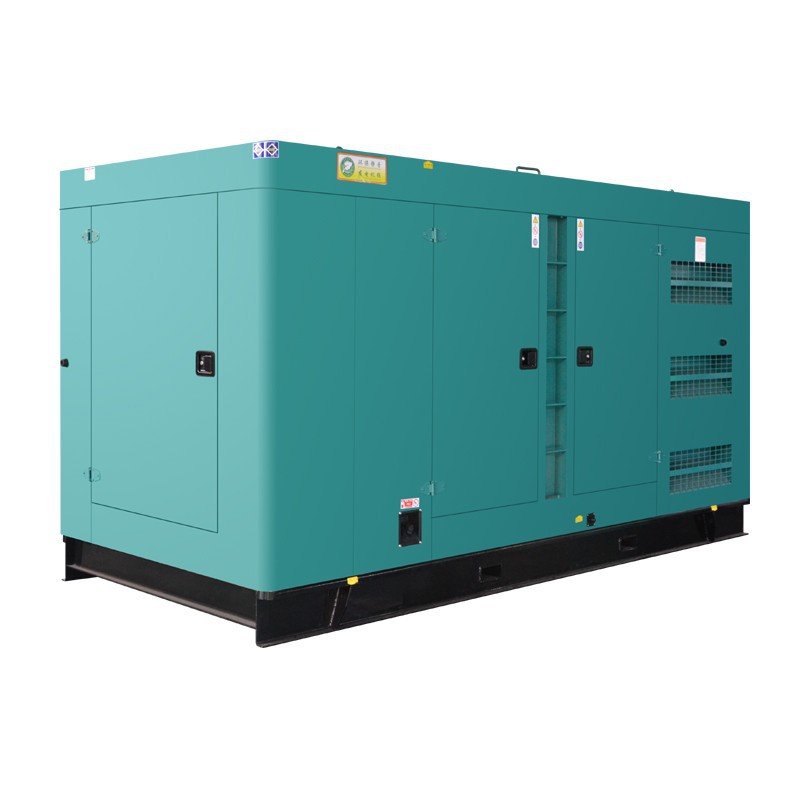
The noise level of a generator can be a significant factor, especially if you're using it in a residential area or in a quiet environment like a campsite. Diesel generators tend to be louder than gasoline generators, but there are ways to reduce the noise level.
Look for generators that are designed to be quiet. Some generators come with noise-reducing features such as soundproof enclosures or mufflers. You can also place the generator on a soft surface, such as a rubber mat, to reduce vibrations and noise.
When comparing generators, check the manufacturer's specifications for the noise level. The noise level is usually measured in decibels (dB). A lower dB rating means a quieter generator.
Portability
As the name suggests, portability is an important feature of a portable diesel generator. You'll want a generator that is easy to move around, especially if you plan to use it in different locations.
Consider the weight and size of the generator. A smaller, lighter generator will be easier to transport. Look for generators with wheels and handles, which can make it easier to move the generator from one place to another.
Some generators also come with features like foldable handles or compact designs, which can make them more portable. If you need to transport the generator in a vehicle, make sure it will fit in the trunk or backseat.
Safety Features
Safety is always a top priority when using a generator. Look for generators that come with safety features such as low-oil shutdown, overload protection, and circuit breakers.
Low-oil shutdown is a feature that automatically shuts off the generator when the oil level is low. This helps to prevent damage to the engine. Overload protection ensures that the generator doesn't exceed its maximum power output, which can prevent damage to the generator and the appliances it's powering. Circuit breakers protect the generator and the electrical system from short circuits and other electrical problems.
Price
The price of a portable diesel generator can vary depending on the power output, features, and brand. Generally, generators with higher power outputs and more features will be more expensive.
When comparing prices, make sure you're comparing apples to apples. Look at the power output, runtime, noise level, portability, and safety features of each generator. Consider the long-term costs, including fuel costs and maintenance costs.
It's also a good idea to read reviews from other customers to get an idea of the quality and reliability of the generator. Look for generators that have a good reputation and are backed by a warranty.
Conclusion
Choosing the right portable diesel generator for your needs requires careful consideration of several factors, including power output, runtime, noise level, portability, safety features, and price. By taking the time to evaluate your needs and compare different generators, you can find a generator that meets your requirements and provides reliable power when you need it.
If you have any questions or need further assistance in choosing the right portable diesel generator, please feel free to contact us. We're here to help you make the best decision for your needs.
References
- "Generator Buying Guide." Consumer Reports.
- "How to Choose a Generator." Energy.gov.