

How to size a Standby Diesel Generator Set for a building?
Sizing a standby diesel generator set for a building is a crucial task that requires careful consideration. As a standby diesel generator set supplier, I've dealt with numerous clients who are unsure about how to pick the right generator for their buildings. Here, I'll walk you through the process to help you make an informed decision.
Understanding the Basics
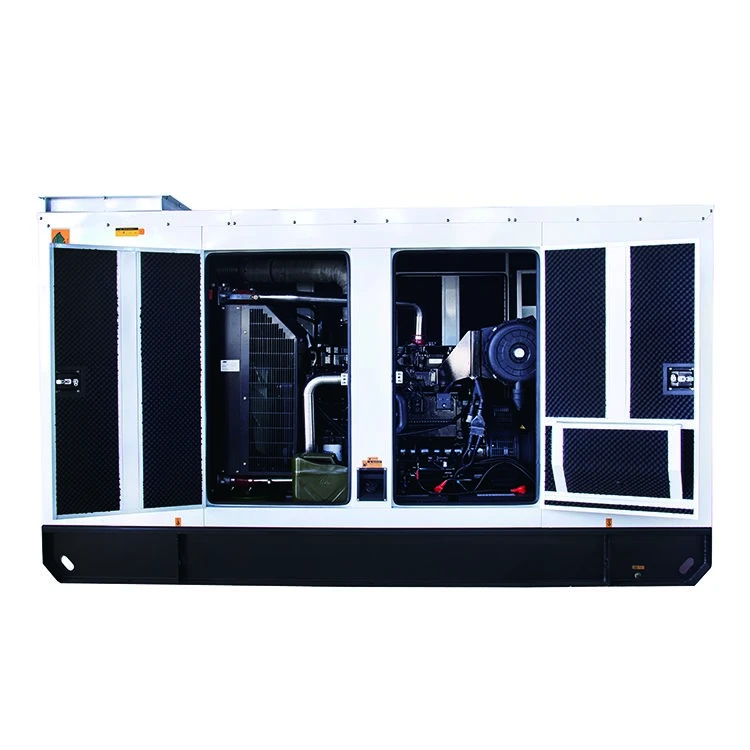
First off, let's understand what a Standby Diesel Generator Set is and why you need one. A standby diesel generator set is a backup power source. It kicks in when the main power supply fails, ensuring that your building's essential systems keep running. Whether it's a small office, a large hospital, or a residential complex, having a reliable standby generator can prevent costly disruptions.
Step 1: Load Calculation
The very first step in sizing a standby diesel generator set is calculating the total electrical load of the building. You've got to figure out which equipment and systems in the building need to be powered during a blackout. There are two types of loads you need to consider:
Critical Loads
These are the systems that are absolutely essential for the safety and functionality of the building. In a hospital, this would include life - saving equipment like ventilators, monitors, and emergency lighting. For a data center, servers and cooling systems are critical. Make a list of all critical loads and note down their power ratings, usually given in kilowatts (kW) or volt - amperes (VA).
Non - Critical Loads
These are the loads that, while useful, are not essential during a power outage. Things like air - conditioning units in non - critical areas, some types of lighting, and office equipment that can be shut down temporarily. You may or may not want to include these in your generator sizing, depending on your budget and requirements.
Once you've listed all the loads, add up the power ratings of the critical loads. If you're also including non - critical loads, add their power ratings as well. This sum gives you the total connected load. But remember, not all equipment operates at full power all the time. So, you need to consider the demand factor.
The demand factor is the ratio of the maximum demand on the electrical system to the total connected load. For example, if you have a bunch of office equipment with a total connected load of 100 kW, but in reality, only 60 kW of power is used at the peak time, the demand factor is 0.6. Multiply the total connected load by the demand factor to get the actual power requirement.
Step 2: Starting Loads
In addition to the running loads, you also need to consider the starting loads of motors and other equipment. Motors draw a much higher current when they start up compared to when they are running. This large inrush current can cause a voltage drop in the electrical system, and the generator should be able to handle it without stalling.
Some types of motors, like squirrel - cage induction motors, have a high starting current. You can usually find the starting current information in the motor's specification sheet. To account for the starting loads, you can either use a generator with a higher capacity or use soft - start devices for the motors. Soft - start devices gradually increase the voltage applied to the motor, reducing the inrush current.
Step 3: Future Expansion
When sizing a standby diesel generator set, it's also a good idea to think about future expansion. Is your building going to add more equipment or systems in the future? If so, you should factor in the additional power requirements. You don't want to end up with a generator that's too small to handle the increased load in a year or two.
A general rule of thumb is to add an extra 20 - 30% to your calculated power requirement to accommodate future growth. This might increase the initial cost, but it can save you from having to replace the generator later.
Step 4: Environmental Factors
The environment where the generator will be installed also plays a role in sizing. Diesel generators are affected by factors such as altitude, temperature, and humidity.
Altitude
At higher altitudes, the air is thinner, which means there is less oxygen available for combustion. This reduces the power output of the generator. For every 1000 feet (305 meters) above sea level, the generator's power output can decrease by about 3 - 5%. So, if you're installing a generator at a high - altitude location, you need to choose a larger - capacity generator to compensate for the power loss.
Temperature
High temperatures can also reduce the generator's efficiency. Hot air is less dense than cold air, and this affects the combustion process. As a general rule, for every 10°C (18°F) increase in temperature above the rated temperature (usually 25°C or 77°F), the generator's power output can decrease by about 1 - 2%.
Humidity
Although humidity has a relatively smaller effect on generator performance compared to altitude and temperature, it can still impact the combustion process. High humidity reduces the oxygen content in the air, which can lead to a slight decrease in power output.
Step 5: Choosing the Right Type of Generator
There are different types of diesel generators available, each suitable for different applications. For construction sites, Construction Diesel Generator is a popular choice. These generators are designed to be portable and durable, able to withstand the harsh conditions of a construction site.
For marine applications, Marine Diesel Generator Set are used. They are built to be corrosion - resistant and meet the specific requirements of a marine environment, such as shock and vibration resistance.
When it comes to standby power for buildings, you need a reliable and efficient generator that can start up quickly and provide a stable power supply. Look for generators with features like automatic transfer switches, which can detect a power outage and switch the building's power supply to the generator within seconds.
Step 6: Manufacturer's Recommendations
Finally, it's always a good idea to consult the generator manufacturer's recommendations. They have the expertise and experience to help you choose the right generator based on your specific requirements. They can also provide information about the generator's performance under different conditions and any special considerations for installation and maintenance.
Wrapping It Up and Contact
Sizing a standby diesel generator set for a building is a multi - step process that involves calculating loads, considering starting currents, factoring in future expansion and environmental conditions, and choosing the right type of generator. It might seem complicated, but with the right knowledge and a bit of planning, you can select a generator that meets your building's power needs.
If you're in the process of sizing a standby diesel generator set for your building or have any questions about our products, feel free to reach out. We're here to help you make the best decision and ensure that you have a reliable backup power solution.

References
- Electrical Engineering Handbook by Richard C. Dorf
- Generator Sizing Guide published by various industry associations
- Manufacturer's technical documents and manuals