

How to store a silent diesel generator set when not in use?
If you’ve ever had a silent diesel generator set that sat dormant for months—say, between harvest seasons for a rural farm, during a city office’s extended holiday shutdown, or after a temporary construction project wrapped up—you know the struggle of pulling it back to life only to find corroded parts, a dead battery, or a clogged fuel line. As a supplier of Soundproof Diesel Generator units, I’ve helped hundreds of customers avoid that headache, and the key isn’t just “store it somewhere dry”—it’s a structured, science-backed process that protects your investment, extends lifespan, and ensures it fires up when you need it most. I’ve learned these steps not just from industry manuals, but from field stories: a customer who skipped fuel treatment and found a $800 injector clogged, another who stored their Mq Power 20kW Diesel Generator in a damp barn and dealt with rusted electrical connections, and a third who used these exact methods for their Mini Silent Generator For Home and had it running within 10 minutes of a winter power outage last year. This guide walks through every stage, tailored specifically to silent diesel units, because their enclosed soundproof casing (a major selling point, by the way—check our page on Suptech Diesel Generator for more on that noise-reduction design) adds unique storage considerations you can’t ignore with open-frame models.
First, let’s start with pre-storage prep that tackles the biggest threats to dormant diesel equipment: fuel system degradation. Diesel fuel is a finicky beast—when left sitting, its light volatile compounds evaporate, leaving a thick, gummy sludge called “diesel algae” that clogs injectors, filters, and lines. What’s worse, the longer fuel sits, the more it absorbs water from the air (even in seemingly dry spaces), leading to microbial growth that eats away at metal parts. For silent generators, this is extra critical because the fuel system is tucked inside the soundproof casing, so you can’t easily spot early clogs. Here’s how to fix it: First, run the generator until it reaches its normal operating temperature (usually 10–15 minutes, depending on load) to thin out the fuel and circulate it through the entire system. Once warm, add a high-quality diesel stabilizer—follow the manufacturer’s ratio, typically 1 ounce per 10 gallons of fuel—to slow oxidation and water absorption. If your unit has a fuel tank smaller than 5 gallons (common in portable models), drain the old fuel completely and replace it with fresh, stabilized fuel; for larger tanks (like the [Mq Power 20kW Diesel Generator’s 50-gallon tank), you can top it off with stabilized fuel to reduce air space, which cuts down on water condensation. One note I emphasize to all customers: never leave a partially full fuel tank for long-term storage. A tank that’s half-full leaves room for air and moisture, which accelerates corrosion. This step alone saved a client of mine 30 hours of mechanic work when their 15kW unit stayed dormant for 8 months—they skipped stabilizer, replaced $450 worth of injectors, and now follow this exact rule.
Next, the battery: silent generators rely on a 12V or 24V lead-acid battery for starting, and even the best units lose charge over time (a phenomenon called “self-discharge,” which speeds up in cold temperatures). If you leave a dead or partially charged battery connected, it can sulfate—lead crystals form on the plates, permanently reducing capacity. For silent generators, the battery is usually mounted inside the soundproof enclosure to muffle electrical hum, so it’s easy to miss a dying battery until you need to start the unit. Here’s what to do: First, fully charge the battery using a smart battery charger (not a trickle charger, which can overcharge and damage it). Smart chargers maintain a “float charge” that keeps the battery at 100% without risk. If your storage period is longer than 3 months, disconnect the battery cables (positive first, then negative) to eliminate any parasitic drain from the generator’s control panel or sensors. Store the battery in a cool, dry place (like a basement or climate-controlled closet) where temperatures stay between 50–77°F—extreme cold or heat will kill battery capacity faster. I once had a customer who stored their Mini Silent Generator For Home’s battery in an unheated garage during a Minnesota winter; when they retrieved it, the battery wouldn’t hold a charge, and they had to buy a replacement. Storing the battery separately would have saved them $150.
Then, protect the engine and electrical systems—two areas where the silent casing, while great for noise reduction, can trap moisture and dust if not addressed. Diesel engines need lubrication to prevent rust and wear, so after running the engine to warm it up (as we did with fuel prep), you should fog the cylinders. Fogging is a simple process: spray a special fogging oil (available at most auto parts stores or through generator suppliers) into the air intake while the engine is idling. The oil coats the cylinder walls, piston rings, and valve stems, creating a barrier against moisture and rust. Run the engine for another 2–3 minutes after fogging to circulate the oil evenly, then turn it off. For the electrical components inside the soundproof casing—including control panels, wiring harnesses, and starter motors—you’ll want to clean them first: use a soft brush to remove dust, then a electrical contact cleaner (avoid water-based products, which can cause shorts) to spray connections. Once dry, cover the control panel with a plastic bag (secured with a rubber band) and seal any unused openings on the casing with weatherstripping or plastic sheeting. This prevents dust, bugs, and moisture from getting inside, which is especially important because the silent casing’s sealed design can trap contaminants if they get in. One pro tip I share with all clients: if you’re storing the generator outdoors (like on a construction site’s storage pad), elevate it 6–12 inches off the ground on concrete blocks to keep it away from standing water—even a few inches of water under the unit can seep into the casing and cause rust on the frame or electrical parts.
Now, storage location and environment—this is where silent generators differ from open-frame models. Open-frame units are built for ventilation, but silent units rely on a closed casing for noise reduction, so they need a storage space that balances protection with airflow (to prevent condensation). Ideally, store your generator in a climate-controlled, dry space like a garage, barn, or storage unit where temperatures stay consistent (no extreme swings between hot and cold, which cause condensation). If you must store it outdoors, invest in a heavy-duty, waterproof generator cover made specifically for silent diesel units—regular car covers are too thin and can trap moisture. Make sure the cover has vents to allow air circulation; otherwise, trapped humidity will corrode the casing from the inside. Also, keep the generator away from direct sunlight, which can fade the casing’s soundproof foam over time and cause plastic parts to crack. I’ve seen too many customers buy cheap covers that ended up with mold growing on the bottom, seeping into the casing—always opt for a cover rated for diesel generator storage, and check our Soundless Generator Price page for durable, compatible accessories that fit most silent models.
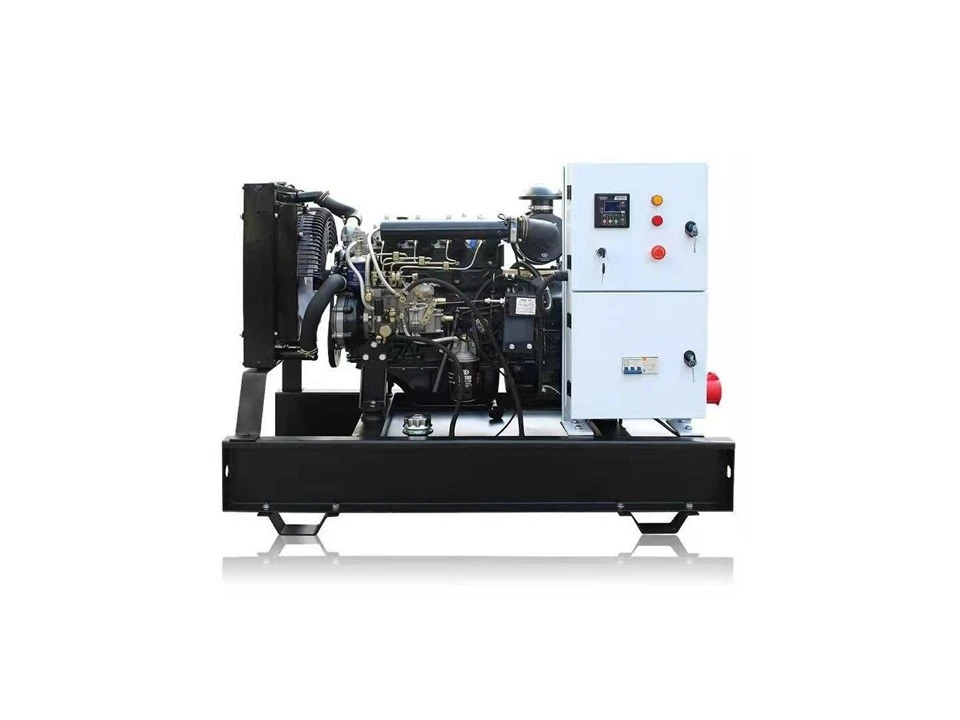

Before sealing the unit for storage, do a quick visual check to catch small issues before they become big problems: inspect the exhaust pipe for rust or blockages (like bird nests or leaves, which are common in outdoor storage), tighten any loose bolts on the casing or frame, and top off the coolant reservoir if your generator uses a liquid-cooled engine—coolant prevents the engine from freezing if temperatures drop, even if the unit is stored indoors. Finally, add a rodent deterrent: mice and rats love to chew on wiring harnesses, and the dark, quiet casing is the perfect nest spot. Use non-toxic deterrents like cotton balls soaked in peppermint oil (replace every 2 months) or ultrasonic repellers, and avoid storing food or debris near the unit that could attract rodents. A client of mine had a Suptech Diesel Generator chewed up by rodents during a 6-month storage period, costing him $1,200 in wiring repairs— a $10 peppermint oil bottle would have prevented that.
When it’s time to retrieve the generator after storage, don’t just start it up immediately. First, remove the battery from storage, charge it fully, and reconnect the cables (negative first, then positive). Inspect the fuel tank: if you added stabilizer, drain a small sample and check for cloudiness or debris—if it looks clear, you can add it to the engine; if it’s cloudy, drain the tank and replace with fresh fuel. Spray a little carburetor or intake cleaner into the air filter (which you should also check for dirt or damage—replace if necessary) to clear any remaining fogging oil, then run the engine at low load for 10–15 minutes to circulate the new fuel. This step ensures you don’t damage the engine with old fuel or residual fogging oil.
As a supplier, my goal isn’t just to sell a Soundproof Diesel Generator to you—it’s to make sure it works when you need it. Whether you’re storing a small Mini Silent Generator For Home for winter power outages, a Mq Power 20kW Diesel Generator for a seasonal business, or a heavy-duty Suptech Diesel Generator for construction projects, following these storage steps will save you thousands in repairs and downtime. If you’re ready to learn more about proper storage for your specific model, or if you need help choosing the right silent generator for your needs, reach out to our team to connect for sourcing and support.
References
- Diesel Engine Manufacturers Association. (2022). Guidelines for Long-Term Storage of Diesel Generating Equipment.
- Battery Council International. (2021. Lead-Acid Battery Storage and Maintenance for Stationary Applications.
- American Society of Heating, Refrigerating and Air-Conditioning Engineers (ASHRAE). (2020). Environmental Controls for Electrical Equipment Storage.
- National Fire Protection Association (NFPA). (2023). Storage and Handling of Diesel Fuels for Emergency Generators.
- Generator Supply Association. (2022). Silent Diesel Generator Care and Maintenance Manual.