

What are the problems with using low - quality diesel in a soundless diesel generator?
As a seasoned supplier of soundless diesel generators, I've witnessed firsthand the detrimental effects of using low-quality diesel in these crucial power solutions. In this blog post, I'll delve into the problems associated with low-quality diesel and why it's essential to use high-grade fuel for your soundless diesel generator.
1. Engine Performance Degradation
One of the most immediate problems of using low-quality diesel is the degradation of engine performance. Low-quality diesel often contains impurities such as dirt, water, and sulfur, which can clog the fuel injectors and filters. When the fuel injectors are clogged, the precise spray pattern of diesel into the combustion chamber is disrupted. This leads to incomplete combustion, reducing the engine's power output and efficiency.
For instance, a Mini Silent Generator For Home that is designed to provide a stable power supply for household appliances may experience a significant drop in performance. The generator might struggle to start, or it may run erratically, causing fluctuations in the electrical output. This can be particularly problematic for sensitive electronic devices, which may be damaged by the inconsistent power supply.
2. Increased Wear and Tear
The impurities in low-quality diesel can also cause increased wear and tear on the engine components. The dirt particles can act as abrasives, scratching the surfaces of the cylinders, pistons, and valves. Over time, this can lead to reduced compression, which further affects the engine's performance. The water content in low-quality diesel can cause corrosion in the fuel system, including the fuel tank, lines, and injectors.
In a 200kw Silent Diesel Generator, which is often used in commercial and industrial settings, the cost of engine repairs due to wear and tear can be substantial. The damage to the engine components can also lead to increased maintenance requirements, such as more frequent oil changes and filter replacements. This not only adds to the operational cost but also increases the downtime of the generator, which can be a major problem for businesses that rely on a continuous power supply.
3. Higher Emissions
Low-quality diesel generally has a higher sulfur content compared to high-quality diesel. When sulfur is burned in the engine, it produces sulfur dioxide (SO₂) and other harmful pollutants. These emissions not only contribute to air pollution but also have a negative impact on human health. In addition, the incomplete combustion caused by the use of low-quality diesel can lead to the production of carbon monoxide (CO) and particulate matter.
A Soundproof Diesel Generator is often used in areas where noise pollution is a concern, such as residential areas or hospitals. However, if the generator is running on low-quality diesel, the increased emissions can become a significant environmental and public health issue. Moreover, in many regions, there are strict regulations regarding emissions from diesel generators. Using low-quality diesel can result in the generator failing to meet these regulatory standards, which can lead to fines and other penalties.
4. Reduced Fuel Efficiency
The poor combustion characteristics of low-quality diesel also result in reduced fuel efficiency. When the fuel does not burn completely, more fuel is required to produce the same amount of power. This means that the generator will consume more diesel, increasing the operating cost.
For example, a 20kw Silent Diesel Generator used in a small business may experience a significant increase in fuel consumption if low-quality diesel is used. This can be a major financial burden for the business, especially in the long run. Additionally, reduced fuel efficiency also means that the generator will need to be refueled more frequently, which can be inconvenient, especially in remote locations.
5. Risk of Engine Failure
In extreme cases, the use of low-quality diesel can lead to engine failure. The combination of clogged fuel injectors, damaged engine components, and poor combustion can eventually cause the engine to seize up. This can be a catastrophic event for businesses and individuals who rely on the generator for their power needs.
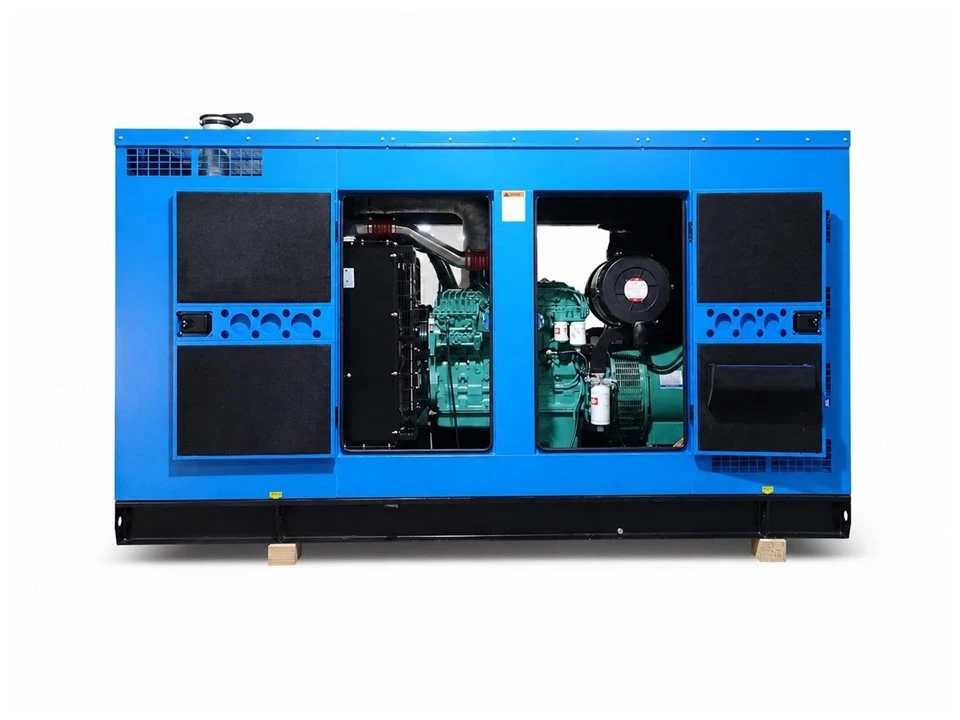
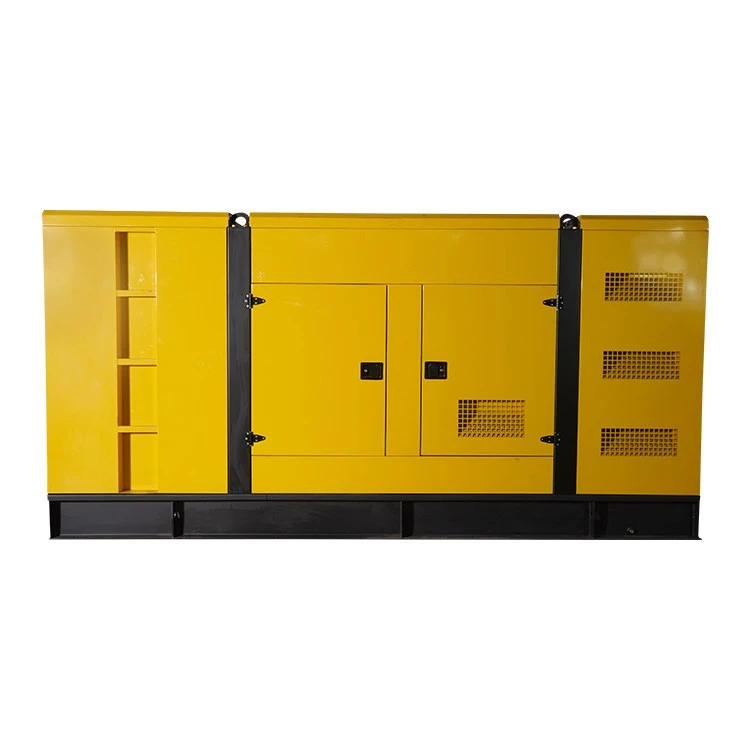
A 50kw Silent Diesel Generator that is used to power a critical facility, such as a data center or a hospital, cannot afford to experience an engine failure. The cost of replacing an engine or even the entire generator can be extremely high, and the downtime associated with the repair or replacement can result in significant losses for the business.
Conclusion
In conclusion, using low-quality diesel in a soundless diesel generator can lead to a multitude of problems, including engine performance degradation, increased wear and tear, higher emissions, reduced fuel efficiency, and the risk of engine failure. As a supplier of soundless diesel generators, I strongly recommend using high-quality diesel to ensure the reliable and efficient operation of your generator.
If you're in the market for a soundless diesel generator or need more information about our products and services, we're here to help. Our team of experts can provide you with the guidance and support you need to choose the right generator for your specific needs. Don't hesitate to contact us for a consultation and to start discussing your procurement options.
References
- Diesel Technology Forum. (n.d.). Diesel Basics. Retrieved from [Diesel Technology Forum Website]
- United States Environmental Protection Agency. (n.d.). Diesel Fuel Standards. Retrieved from [EPA Website]
- Society of Automotive Engineers. (n.d.). Diesel Engine Performance and Emissions. Retrieved from [SAE Website]