

What is the cooling system of an 11kv diesel generator?
As a supplier of 11kv diesel generators, I often get asked about the cooling system of these powerful machines. In this blog, I'll take you through what the cooling system of an 11kv diesel generator is, how it works, and why it's so crucial for the generator's performance and longevity.
Understanding the Basics of an 11kv Diesel Generator
Before diving into the cooling system, let's briefly understand what an 11kv diesel generator is. An 11kv diesel generator is a high - voltage power generation unit that uses diesel fuel to produce electricity at 11,000 volts. These generators are commonly used in industrial settings, large commercial buildings, and even in some mining operations. They are known for their reliability, high power output, and long - term durability.
The Role of the Cooling System
The cooling system in an 11kv diesel generator plays a vital role. Diesel engines generate a significant amount of heat during operation. If this heat is not properly managed, it can lead to overheating, which can cause serious damage to the engine components. The cooling system is designed to remove the excess heat from the engine, ensuring that it operates within a safe temperature range.
Components of the Cooling System
- Radiator: The radiator is one of the most important components of the cooling system. It is a heat exchanger that transfers heat from the coolant to the surrounding air. The radiator consists of a series of tubes and fins. The coolant, which has absorbed heat from the engine, flows through the tubes. As air passes over the fins, it cools the coolant, which then returns to the engine to absorb more heat.
- Coolant: Coolant, also known as antifreeze, is a mixture of water and chemicals. It has a lower freezing point and a higher boiling point than water, which allows it to function effectively in a wide range of temperatures. The coolant circulates through the engine, absorbing heat from the engine components and carrying it to the radiator for dissipation.
- Water Pump: The water pump is responsible for circulating the coolant through the engine and the radiator. It is usually driven by the engine's crankshaft. The water pump creates a pressure difference that forces the coolant to flow through the system.
- Thermostat: The thermostat is a temperature - sensitive valve that regulates the flow of coolant through the engine. When the engine is cold, the thermostat remains closed, preventing the coolant from flowing to the radiator. This allows the engine to warm up quickly. Once the engine reaches the optimal operating temperature, the thermostat opens, allowing the coolant to flow to the radiator for cooling.
- Fan: The fan helps to increase the airflow over the radiator, enhancing the cooling process. In some generators, the fan is driven by the engine, while in others, it may be electrically powered.
How the Cooling System Works
The cooling process starts when the engine is started. The water pump begins to circulate the coolant through the engine. As the engine runs, it generates heat, which is absorbed by the coolant. The hot coolant then flows to the radiator. In the radiator, the heat is transferred from the coolant to the air passing over the fins. The cooled coolant then returns to the engine to repeat the process.
The thermostat plays a crucial role in maintaining the engine's temperature. If the engine is running too cold, the thermostat keeps the coolant from flowing to the radiator, allowing the engine to warm up. If the engine is running too hot, the thermostat opens fully, allowing more coolant to flow to the radiator for cooling.
Importance of a Properly Functioning Cooling System
A properly functioning cooling system is essential for the performance and longevity of an 11kv diesel generator. Here are some reasons why:
- Prevents Overheating: Overheating can cause serious damage to the engine, such as warped cylinder heads, blown gaskets, and damaged pistons. By removing excess heat, the cooling system helps to prevent these issues.
- Maintains Engine Efficiency: When the engine operates at the optimal temperature, it runs more efficiently. This means better fuel economy and lower emissions.
- Extends Engine Life: By keeping the engine cool, the cooling system reduces wear and tear on the engine components, extending the life of the generator.
Types of Cooling Systems
There are two main types of cooling systems used in 11kv diesel generators: air - cooled and liquid - cooled.
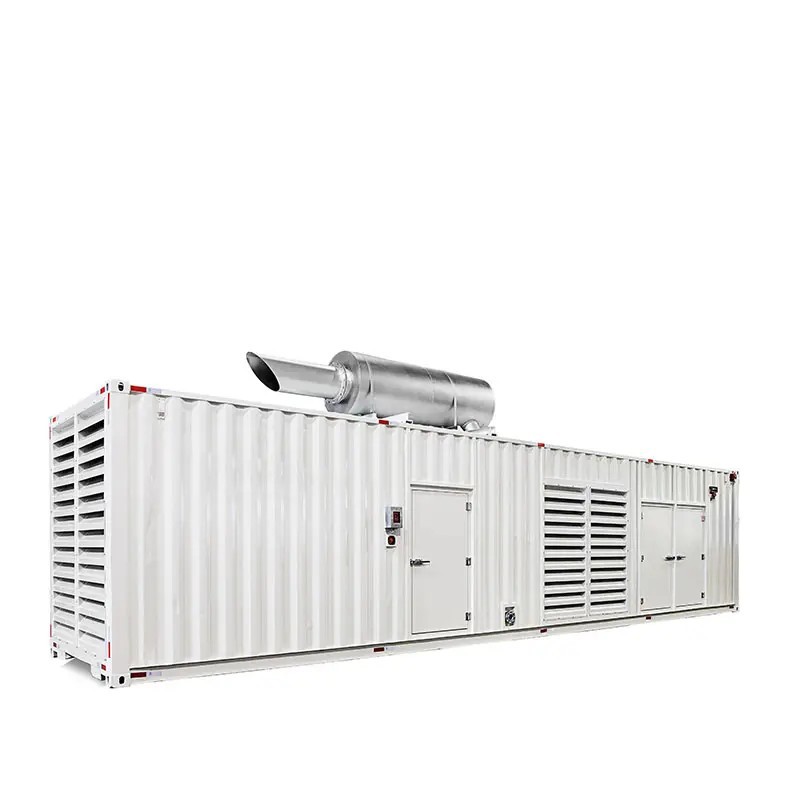

Air - Cooled Systems
Air - cooled systems use air to cool the engine. These systems are relatively simple and lightweight. They are often used in smaller generators or in applications where water is not readily available. In an air - cooled system, the engine has fins on its surface. As air passes over these fins, it removes heat from the engine. A fan is usually used to increase the airflow over the fins.
Liquid - Cooled Systems
Liquid - cooled systems are more common in larger 11kv diesel generators. These systems use a liquid coolant, such as water or a water - antifreeze mixture, to cool the engine. The coolant circulates through the engine and the radiator, where it releases heat to the surrounding air. Liquid - cooled systems are more efficient at removing heat than air - cooled systems, especially in high - power applications.
Maintenance of the Cooling System
Proper maintenance of the cooling system is crucial to ensure its efficient operation. Here are some maintenance tips:
- Check the Coolant Level Regularly: The coolant level should be checked at least once a week. If the coolant level is low, add a mixture of water and antifreeze to the coolant reservoir.
- Inspect the Radiator: The radiator should be inspected regularly for any signs of damage or blockage. If the radiator is dirty, it can be cleaned using a soft brush or compressed air.
- Replace the Coolant Periodically: Over time, the coolant can break down and lose its effectiveness. It is recommended to replace the coolant every 2 - 3 years, depending on the manufacturer's recommendations.
- Check the Water Pump and Thermostat: The water pump and thermostat should be inspected regularly for proper operation. If either of these components is not working correctly, it should be replaced.
Conclusion
The cooling system of an 11kv diesel generator is a critical component that ensures the engine operates at the optimal temperature. By understanding how the cooling system works and the importance of proper maintenance, you can ensure the reliable and efficient operation of your generator.
If you are in the market for an 11kv diesel generator, or if you have any questions about the cooling system or other aspects of our generators, we are here to help. We offer a wide range of high - quality High Voltage Diesel Generator, including Mining Diesel Generator and 6.6kv Diesel Genset. Contact us to discuss your power generation needs and let us help you find the perfect solution for your business.
References
- Diesel Engine Handbook, various editions
- Manufacturer's manuals for 11kv diesel generators