

What is the ignition system of an ATS Diesel Generator?
Hey there! As a supplier of ATS Diesel Generators, I'm stoked to dive into the nitty - gritty of the ignition system of these powerful machines. Let's start from the basics, shall we?
Understanding ATS Diesel Generators
For those who mightn't be too familiar, ATS stands for Automatic Transfer Switch. An ATS Diesel Generator is a reliable setup that offers a seamless transition between the main power supply and the generator power when there's a power outage. It's a crucial piece of equipment for various industries, like construction sites, hospitals, and data centers, where continuous power is non - negotiable.
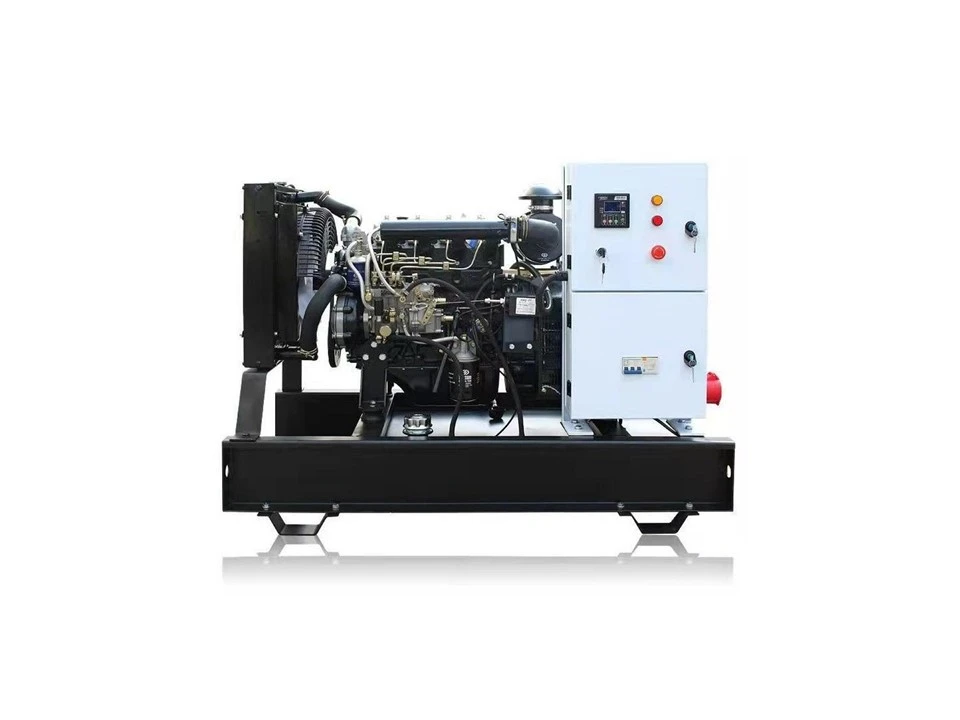
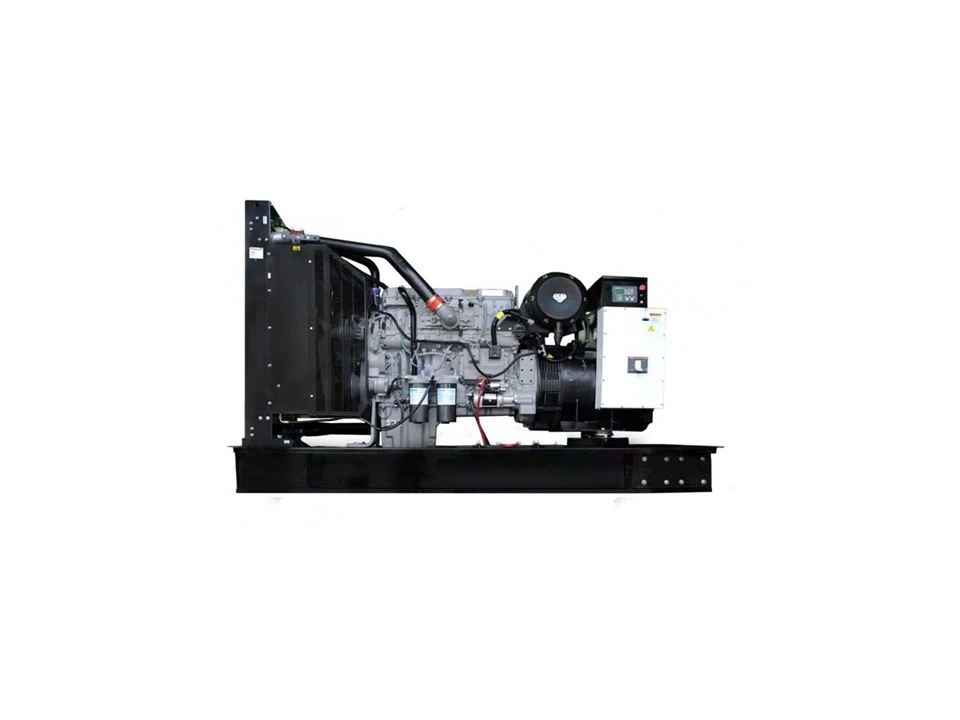
So, if you're in the market for one, we've got a range of options, such as the 160kVA Generator, Construction Diesel Generator, 85kVA Generator, 90kVA Generator, and 220kVA Generator.
What's the Ignition System?
Now, onto the ignition system. Unlike gasoline engines that use spark plugs for ignition, diesel engines, including those in ATS Diesel Generators, rely on a different principle: compression ignition.
In a diesel engine, air is first drawn into the combustion chamber and compressed to a very high pressure. This compressing process heats up the air significantly. When the piston reaches the top of its compression stroke, fuel is injected directly into the hot, compressed air. The high temperature of the compressed air causes the diesel fuel to ignite spontaneously, generating the power needed to drive the engine.
Components of the Ignition System in an ATS Diesel Generator
- Air Intake System:
This is where the whole process kicks off. The air intake system ensures that clean, fresh air enters the engine's cylinders. It usually consists of an air filter, intake manifold, and sometimes a turbocharger or supercharger. The air filter is super important as it prevents dirt, dust, and other contaminants from getting into the engine, which could cause damage over time. A turbocharger or supercharger, on the other hand, forces more air into the cylinders, increasing the engine's power output. - Fuel Injection System:
This is the heart of the ignition process in a diesel generator. The fuel injection system precisely controls the amount and timing of fuel injection into the combustion chamber. There are different types of fuel injection systems, such as direct injection and indirect injection. In direct injection, fuel is sprayed directly into the combustion chamber, while in indirect injection, fuel is first injected into a pre - combustion chamber before entering the main combustion chamber. Modern ATS Diesel Generators often use high - pressure common rail fuel injection systems, which offer better fuel efficiency and lower emissions. - Glow Plugs (in some cases):
While diesel engines rely on compression ignition, in cold weather conditions, it can be a bit tricky for the air to reach the high temperatures needed for spontaneous ignition. That's where glow plugs come in. Glow plugs are small heating elements that are inserted into the combustion chambers. Before starting the engine, the glow plugs heat up, pre - warming the air in the combustion chambers. This helps the diesel fuel to ignite more easily, especially when it's freezing outside.
How the Ignition System Works
Let's break down the process step by step:
- Intake Stroke:
The piston moves downward in the cylinder, creating a vacuum. This vacuum draws air into the cylinder through the open intake valve. The air intake system ensures that the air is clean and at the right temperature. - Compression Stroke:
The intake valve closes, and the piston moves upward, compressing the air in the cylinder. The compression ratio in a diesel engine is typically much higher than in a gasoline engine, often ranging from 14:1 to 25:1. This high compression ratio heats up the air to very high temperatures, usually around 500 - 700 degrees Celsius. - Power Stroke:
As the piston reaches the top of the compression stroke, the fuel injection system sprays a fine mist of diesel fuel into the hot, compressed air. The high temperature of the air causes the diesel fuel to ignite almost instantly, creating a rapid expansion of gases. This expansion forces the piston downward, generating mechanical power that drives the generator's alternator to produce electricity. - Exhaust Stroke:
The exhaust valve opens, and the piston moves upward again, pushing the burnt gases out of the cylinder through the exhaust system. The exhaust system also includes a muffler to reduce engine noise and a catalytic converter or diesel particulate filter in some cases to reduce emissions.
Importance of a Well - Functioning Ignition System
A properly functioning ignition system is crucial for the overall performance and reliability of an ATS Diesel Generator. Here's why:
- Efficiency:
An efficient ignition system ensures that the diesel fuel is burned completely and at the right time. This leads to better fuel economy, which means you'll save money on fuel costs in the long run. - Power Output:
A well - timed ignition process results in maximum power output from the engine. This is essential, especially for applications that require a high amount of electrical power, such as large construction sites or industrial facilities. - Reliability:
When the ignition system is working correctly, the generator starts up quickly and runs smoothly. This is especially important during power outages, where you need the generator to kick in immediately to keep your operations going. - Emissions:
A proper ignition system helps reduce harmful emissions. When the fuel is burned efficiently, there are fewer unburned hydrocarbons, carbon monoxide, and particulate matter released into the atmosphere, which is better for the environment.
Maintenance of the Ignition System
To keep the ignition system in tip - top shape, regular maintenance is a must. Here are some key maintenance tasks:
- Air Filter Replacement:
Replace the air filter at regular intervals, as recommended by the manufacturer. A clogged air filter can restrict the airflow into the engine, leading to poor combustion and reduced performance. - Fuel Filter Replacement:
The fuel filter should also be replaced regularly. It prevents contaminants in the fuel from reaching the fuel injection system, which could cause damage to the injectors. - Fuel Injection System Inspection and Cleaning:
Over time, carbon deposits can build up on the fuel injectors, affecting their performance. It's important to have the fuel injection system inspected and cleaned periodically to ensure proper fuel atomization and injection timing. - Glow Plug Check:
If your generator has glow plugs, check them regularly, especially before the cold season. Faulty glow plugs can make it difficult to start the engine in cold weather.
Conclusion
So there you have it, a comprehensive look at the ignition system of an ATS Diesel Generator. Understanding how this system works is key to getting the most out of your generator in terms of performance, efficiency, and reliability.
If you're looking for a high - quality ATS Diesel Generator or need more information, don't hesitate to reach out. We're here to help you find the perfect generator for your needs and answer any questions you might have. Contact us for a sales consultation and let's get your power solution sorted!
References
- "Diesel Engine Encyclopedia" by Bell & Howell Company.
- "Automotive Technology: A Systems Approach" by James D. Halderman.