

What is the power factor of a quiet generator?
In the realm of power generation, especially when it comes to quiet generators, understanding the power factor is crucial for both consumers and industry players like us, a dedicated quiet generator supplier. A quiet generator is a marvel of modern engineering, combining the ability to produce electricity with minimal noise disturbance, making it ideal for a wide range of applications, from home use to recreational vehicle (RV) powering, and even industrial backup.
What is Power Factor?
Power factor is a measure of how effectively electrical power is being used in an AC (alternating current) circuit. It is defined as the ratio of real power (P), measured in kilowatts (kW), to apparent power (S), measured in kilovolt - amperes (kVA). Mathematically, it is expressed as: Power Factor (PF) = P / S.
Real power is the actual power that does useful work, such as running appliances, charging batteries, or powering machinery. Apparent power, on the other hand, is the combination of real power and reactive power (Q). Reactive power is the power that oscillates between the source and the load due to the presence of inductive or capacitive elements in the circuit. It does not perform any useful work but is necessary to establish and maintain the electromagnetic fields in inductive loads like motors and transformers.
A power factor of 1 (or 100%) indicates that all the electrical power supplied to the load is being used effectively, with no reactive power. In contrast, a power factor less than 1 means that some of the power is being wasted in the form of reactive power, resulting in inefficient use of electrical energy.
Why is Power Factor Important for Quiet Generators?
For quiet generators, power factor plays a significant role in several aspects:
Efficiency
A higher power factor means that the generator can deliver more real power for the same amount of apparent power. This translates to better fuel efficiency, as the engine has to work less hard to generate the required power. For consumers, this means lower fuel costs over the long run. As a quiet generator supplier, we are committed to providing generators with high power factors to ensure our customers get the most out of their investment.
Capacity Utilization
Generators are rated in kVA, which represents the apparent power they can supply. However, the real power available for use depends on the power factor of the connected load. If the power factor is low, the generator may not be able to deliver its full rated real power, even though it is capable of supplying the apparent power. This can lead to under - utilization of the generator's capacity. By understanding the power factor requirements of the load and choosing a generator with an appropriate power factor rating, customers can ensure that they are using the generator's capacity efficiently.
Equipment Lifespan
Low power factor can cause increased heating in electrical equipment, including the generator itself. The additional heat can accelerate the aging of components, reduce the lifespan of the equipment, and increase the likelihood of breakdowns. A generator operating with a high power factor is less likely to experience these issues, resulting in a longer and more reliable service life.
Power Factor in Different Types of Quiet Generators
Mini Silent Generator For Home
Mini silent generators for home use are designed to provide a reliable source of power during power outages or for small - scale off - grid applications. These generators typically have a lower power output, ranging from a few hundred watts to a few kilowatts. The power factor of these generators is often optimized for common household appliances, which may have a power factor ranging from 0.8 to 0.95. Our mini silent generators are engineered to handle these loads efficiently, ensuring that homeowners get the most out of their power supply while keeping noise levels to a minimum.
The Most Quiet Generator
When it comes to the most quiet generator, power factor becomes an even more critical factor. These generators are often used in noise - sensitive environments, such as hospitals, libraries, or residential areas. A high - power - factor design allows the generator to operate more efficiently, reducing the load on the engine and minimizing noise generation. Our top - of - the - line quiet generators are designed with advanced power factor correction technology to ensure optimal performance and quiet operation.
100kw Silent Diesel Generator
100kW silent diesel generators are commonly used in industrial and commercial applications where a reliable and high - capacity power source is required. These generators need to be able to handle a wide range of loads, including inductive loads such as motors and transformers. A high power factor is essential to ensure that the generator can deliver the required real power without overloading the engine or causing voltage drops. Our 100kW silent diesel generators are designed with a robust power factor correction system to meet the demands of these applications.
Quiet RV Generators
Quiet RV generators are specifically designed for use in recreational vehicles. They need to be compact, lightweight, and quiet while still providing enough power to run all the appliances and systems in the RV. Many RV appliances, such as air conditioners, refrigerators, and microwave ovens, have a relatively low power factor. Therefore, our quiet RV generators are engineered to handle these low - power - factor loads efficiently, ensuring that RV owners have a reliable source of power on their travels.
Low Noise Diesel Generator
Low noise diesel generators are popular choices for both residential and industrial backup power. They offer the advantage of high fuel efficiency and durability. A high power factor in these generators helps to reduce fuel consumption and extend the lifespan of the engine. Our low - noise diesel generators are designed with state - of - the - art power factor control technology to provide maximum efficiency and performance.
Improving Power Factor in Quiet Generators
There are several ways to improve the power factor of a quiet generator:
Power Factor Correction Capacitors
Power factor correction capacitors can be installed in parallel with the load to counteract the reactive power. These capacitors supply the necessary reactive power to the load, reducing the amount of reactive power that needs to be supplied by the generator. This results in an increase in the power factor and a more efficient use of electrical energy.
Load Management
Proper load management is also crucial for maintaining a high power factor. By avoiding overloading the generator and ensuring that the load is balanced, the power factor can be optimized. For example, starting large inductive loads one at a time instead of simultaneously can help reduce the impact on the power factor.

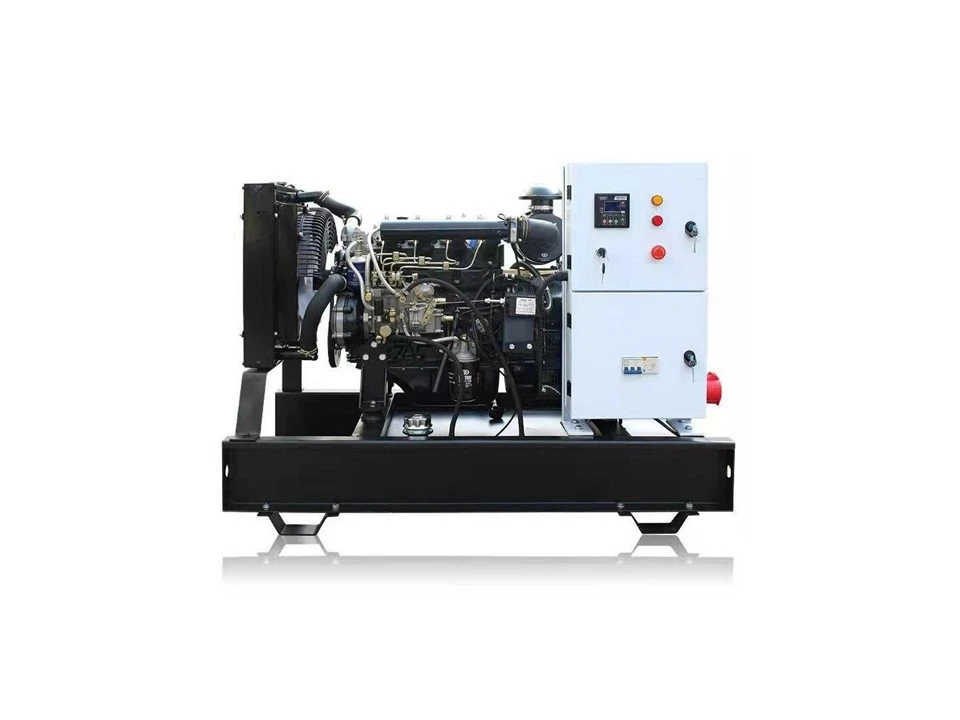
Advanced Generator Design
Modern quiet generators are often designed with built - in power factor correction technology. This technology continuously monitors the power factor of the load and adjusts the generator's output accordingly to maintain a high power factor.
Contact Us for Your Quiet Generator Needs
As a leading quiet generator supplier, we understand the importance of power factor in ensuring the efficient and reliable operation of our generators. We offer a wide range of quiet generators, including Mini Silent Generator For Home, The Most Quiet Generator, 100kw Silent Diesel Generator, Quiet RV Generators, and Low Noise Diesel Generator, all designed with high power factors to meet your specific needs.
If you are looking for a quiet generator with excellent power factor performance, we invite you to contact us for more information. Our team of experts is ready to assist you in choosing the right generator for your application and answer any questions you may have about power factor and generator operation.
References
- Chapman, S. J. (2012). Electric Machinery Fundamentals. McGraw - Hill Education.
- Hess, D. (2011). Electrical Power System Basics. CRC Press.