

What is the role of the fuel injector in a construction diesel generator?
As a supplier of construction diesel generators, I've had my fair share of conversations about the nitty - gritty details of these machines. One component that often doesn't get the spotlight it deserves is the fuel injector. In this blog, I'll break down what the fuel injector does in a construction diesel generator and why it's so crucial.
The Basics of a Diesel Generator
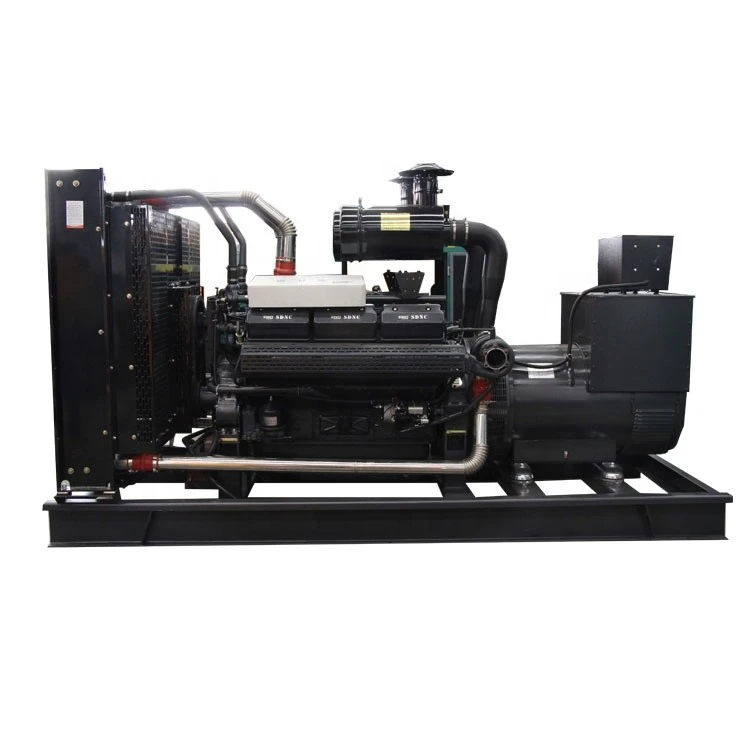
Before we dive into the fuel injector, let's quickly go over how a construction diesel generator works. A diesel generator is essentially a power - producing machine that converts diesel fuel into electrical energy. It consists of an engine and an alternator. The engine burns diesel fuel to create mechanical energy, and the alternator then turns that mechanical energy into electricity.
What is a Fuel Injector?
A fuel injector is a small but mighty device in the diesel engine. It's responsible for delivering the right amount of diesel fuel into the engine's combustion chamber at the exact right time. Think of it as the gatekeeper of fuel for the engine.
In a construction diesel generator, the fuel injector has to work precisely. If it doesn't, the engine won't run efficiently, or it might not run at all. The injector is connected to the fuel pump, which pressurizes the diesel fuel. Once the fuel is pressurized, the injector sprays it into the combustion chamber in a fine mist. This mist is then ignited by the high - compression air in the chamber, creating the power that drives the engine.
The Role of the Fuel Injector in a Construction Diesel Generator
- Precise Fuel Delivery: One of the most important roles of the fuel injector is to deliver the right amount of fuel. In a construction setting, the generator might need to handle different loads. For example, if you're using power tools on a construction site, the load on the generator can vary depending on how many tools are being used at once. The fuel injector adjusts the amount of fuel it delivers based on the load. If there's a high load, it will deliver more fuel; if the load is low, it will deliver less. This precise control ensures that the generator runs smoothly and efficiently, no matter the demand.
- Atomization of Fuel: The fuel injector also plays a key role in atomizing the diesel fuel. When the fuel is sprayed into the combustion chamber as a fine mist, it has a larger surface area. This allows the fuel to mix better with the air in the chamber. A better fuel - air mixture leads to more complete combustion. In a construction diesel generator, complete combustion means more power output and less fuel waste. It also reduces emissions, which is important for environmental reasons and for meeting regulatory requirements.
- Timing of Fuel Injection: Timing is everything when it comes to fuel injection. The fuel injector must inject the fuel at the right moment in the engine's cycle. In a diesel engine, the air is compressed first, and then the fuel is injected. If the fuel is injected too early or too late, it can cause problems. For example, if the fuel is injected too early, the engine might experience knocking, which can damage the engine over time. If it's injected too late, the engine might lose power and efficiency. The fuel injector ensures that the fuel is injected at the optimal time for maximum power and efficiency.
Types of Fuel Injectors in Construction Diesel Generators
There are different types of fuel injectors used in construction diesel generators. The most common types are mechanical and electronic injectors.
Mechanical injectors have been around for a long time. They work based on mechanical principles, using springs and valves to control the flow of fuel. They are relatively simple and reliable, but they might not be as precise as electronic injectors.
Electronic injectors, on the other hand, are more advanced. They use sensors and electronic control units (ECUs) to determine the right amount of fuel to inject and the timing of injection. This allows for more precise control, which can lead to better fuel efficiency and performance.
Impact of a Faulty Fuel Injector
A faulty fuel injector can cause a whole host of problems in a construction diesel generator. If the injector is clogged, it might not be able to deliver the right amount of fuel. This can lead to a loss of power, rough running, and increased fuel consumption. In some cases, a clogged injector can even cause the engine to stall.
If the injector is leaking, it can also be a big issue. Leaking fuel can be a fire hazard, and it can also lead to poor engine performance. Additionally, a leaking injector can cause the engine to run rich, which means it's using more fuel than necessary and producing more emissions.
Maintenance of Fuel Injectors
To keep the fuel injectors in good working condition, regular maintenance is essential. This includes cleaning the injectors to prevent clogging and checking for leaks. It's also important to use high - quality diesel fuel, as low - quality fuel can contain impurities that can damage the injectors.
Our Range of Construction Diesel Generators
At our company, we offer a wide range of construction diesel generators, including Perkins Standby Diesel Generator, Open Type Diesel Generator, and Prime Power Diesel Generator. All of our generators are designed with high - quality fuel injectors to ensure optimal performance.
Conclusion
The fuel injector is a vital component in a construction diesel generator. It plays a crucial role in precise fuel delivery, atomization, and timing of fuel injection. A well - functioning fuel injector ensures that the generator runs efficiently, produces less emissions, and has a longer lifespan. If you're in the market for a construction diesel generator, make sure to consider the quality of the fuel injector. And if you have any questions or are interested in purchasing a generator, feel free to reach out to us for a chat. We're here to help you find the perfect generator for your construction needs.

References
- Diesel Engine Theory and Maintenance, various industry textbooks
- Manufacturer's manuals for construction diesel generators