

Are there quiet generators for commercial use?
If you’ve ever walked into a bustling commercial site—say, a construction project wrapping up after night shifts, a remote event venue hosting a late-night concert, or a retail backup power setup kicking in during a grid outage—you’ve probably heard that deep, rumbling generator growl that cuts through everything. For years, business owners and facility managers have asked me the same question: “Are there quiet generators for commercial use?” As a generator supplier who’s spent a decade navigating the line between power output and noise control, I’m here to tell you the answer isn’t just yes—it’s a game-changer for how commercial operations work today.
Let’s start with the basics: noise isn’t just an annoyance for businesses. For commercial spaces, it’s a legal and operational liability. Many regions have strict noise ordinances that restrict generator use during hours when residents or nearby workers need quiet. A standard open-frame generator can hit 70 to 85 decibels (dB)—about as loud as a busy street or a lawnmower—making it impossible to use after 10 PM in most residential areas, or even during regular business hours in dense office districts. That’s where quiet generators for commercial use come in, but the technology behind them isn’t just sticking a blanket over the engine.
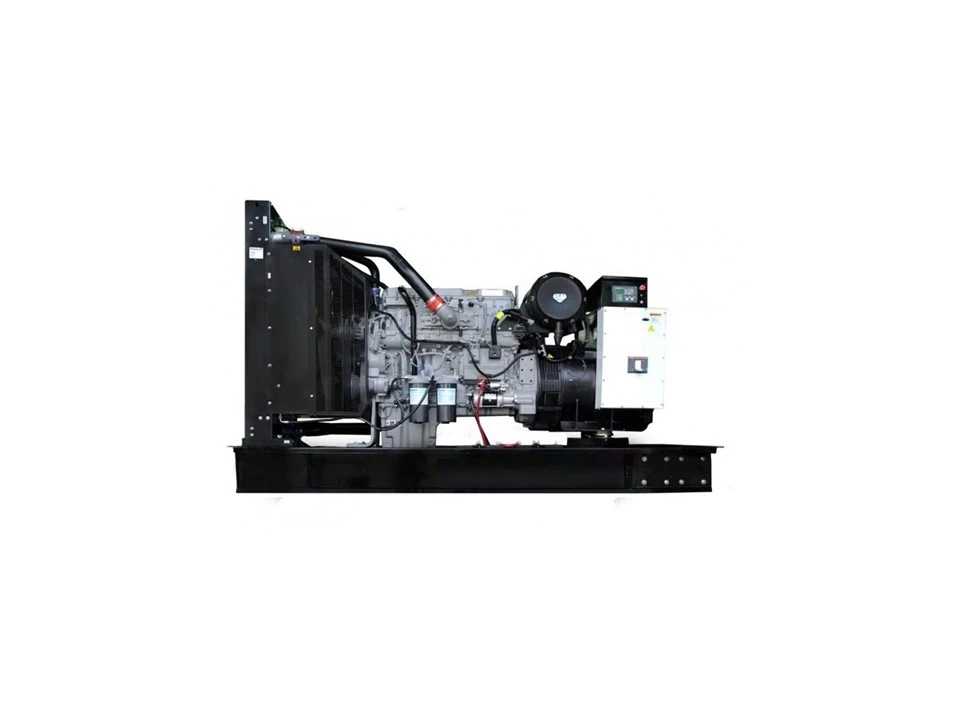
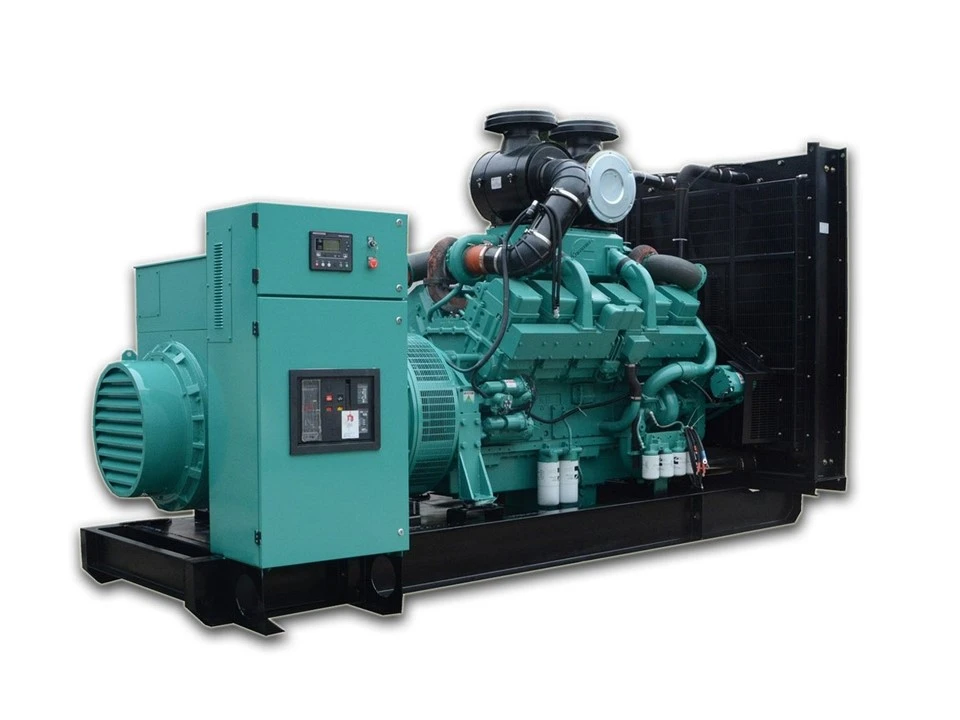
When I first started in this industry, most “quiet” generators were compromised—they either cut power output drastically to muffle noise, or relied on cheap sound-dampening materials that degraded within a year, leaving you with a noisier unit than a standard model. But over the last five years, advances in sound engineering have turned this on its head. Modern commercial quiet generators use a combination of insulated enclosures, tuned exhaust systems, and variable-speed engines that adjust RPM based on power demand, not just constant high-speed operation. The result? Units that hit 55 to 65 dB at full load—roughly the volume of a normal conversation or light office hum.
I’ve seen this work firsthand with clients in niche commercial spaces that can’t afford noise. Take a team that does film production on location: they need constant power for cameras, lighting, and craft services, but a loud generator would ruin audio takes, or violate filming permits that restrict sound near residential neighborhoods. We equipped them with commercial silent diesel generators that not only hit 60 dB at full load, but also met local noise permits—they were able to shoot night scenes in a suburban neighborhood without a single complaint. Another client is a chain of grocery stores in a downtown metro area; during grid outages, their backup generators kick on automatically, and they get almost no calls from adjacent restaurants or offices about noise. That’s the real value of commercial quiet generators: they turn a disruptive necessity into an invisible one.
But here’s the thing most business owners don’t realize: quiet generators for commercial use aren’t one-size-fits-all. What works for a small retail space (20 kW of power) won’t work for a mid-sized construction site that needs 50 kW to power tools and temporary lighting. That’s why we’ve built a line tailored to different commercial needs, from small businesses to large-scale operations. For example, if you’re a recreational company that runs remote camping sites with motorhomes, you need a unit that’s both powerful for RV hookups and quiet enough not to disturb campers. We offer a Silent Generator For Motorhome that hits 58 dB at 30% load—perfect for quiet camping hours—while still delivering consistent power for all RV appliances.
Another common question I get: which is actually the most quiet generator for commercial use? It’s not a marketing gimmick—we’ve tested our models against industry standards, and our top-of-the-line units hit as low as 52 dB at idle, making them among the quietest commercial diesel generators on the market. This model comes with a fully enclosed, sound-insulated cabinet that has vibration-dampening mounts, so there’s no rattling or resonance that can carry through walls. It also has a smart control system that adjusts engine speed based on how much power you’re using; if you only need 10 kW of power, the engine runs at a lower RPM, making it even quieter. If you want to learn more about the specific specs and testing data, you can check out The Most Quiet Generator page on our site.
For construction and industrial clients, power output is non-negotiable—you need a generator that can run heavy tools, compressors, and temporary buildings without stalling. Our Powertech Diesel Generator line is built for that: it delivers up to 200 kW of power, but still manages to hit 62 dB at full load. That’s impressive because most generators that push 100+ kW hit 75 dB or higher, which would never pass noise ordinances. These units are also designed for remote use, with fuel tanks that can run for 12+ hours at partial load, so you don’t have to refuel constantly on a job site.
I know price is a big factor for any commercial purchase, too. A lot of business owners think quiet generators are way more expensive than standard ones, and while there is an upfront cost, the long-term savings and risk avoidance make it worth it. Avoiding fines for noise violations (which can run into thousands of dollars) or losing permits for jobs that run after hours will quickly add up. If you’re looking for transparent pricing, our Soundless Generator Price page breaks down the cost for different commercial models, including installment plans for businesses that want to spread out payments. We also offer extended warranties on all our commercial quiet generators, so you don’t have to worry about hidden maintenance costs down the line.
One specific model that’s been incredibly popular with mid-sized commercial clients is the Mq Power 20kW Diesel Generator. This 20 kW unit is perfect for small retail spaces, office buildings, or temporary event venues— it hits 59 dB at full load, which is quiet enough to keep office staff working normally during an outage, or to host a small outdoor event without disturbing neighbors. It’s also compact, so it fits easily in standard utility sheds or on trailers, which is a big plus for businesses that need to move their generator between locations.
Let me be clear: quiet generators for commercial use aren’t a niche product anymore. Five years ago, only a handful of businesses would invest in them, but now with stricter noise laws and more focus on workplace experience, they’re becoming a standard for any business that relies on generators. The key is working with a supplier that understands your specific needs, not just selling you a one-size-fits-all unit. For example, a construction site in a rural area might prioritize power over absolute quiet, but a construction site near a residential subdivision would need a generator that hits 55 dB or lower. A retail backup generator needs to kick on instantly and be unobtrusive, while a generator for a festival needs to run for days without refueling.
If you’re a business owner or facilities manager considering a quiet generator for commercial use, my advice is to do your research, but don’t get stuck on marketing buzzwords. Look for units that are tested to meet industry noise standards (like ISO 3744, which measures sound power level) and that have real user reviews from similar businesses. Ask about maintenance requirements—some quiet enclosures are hard to access, which means higher maintenance costs. All our commercial generators have easy-access panels for oil changes and filter replacements, so you don’t have to hire a specialist every time you need routine service.
At the end of the day, the best quiet generator for commercial use is one that works for your business. If you’re running a small retail space, the Mq Power 20kW model is a great fit. If you need a unit for motorhome events or remote camping, the silent generator for motorhome is perfect. For larger industrial or construction projects, the Powertech line has the power and quiet you need. If you’re still not sure which model is right for you, our team is here to help—we’ve worked with hundreds of commercial clients, and we can walk you through specs, pricing, and use cases to find the exact generator that fits your needs.
Don’t let noise issues hold your business back. Whether you’re dealing with noisy generator complaints, missing permits, or the hassle of loud backup power, a quiet commercial generator is a long-term investment that saves you time, money, and headaches. Reach out to us today to discuss your requirements, and we’ll help you find the right solution for your business.
References:
- Occupational Safety and Health Administration (OSHA). (2022). Noise Control in the Workplace. Retrieved from osha.gov
- International Organization for Standardization (ISO). (2020). ISO 3744: Acoustics - Determination of sound power levels and sound energy levels of noise sources using sound pressure - Engineering methods for an essentially free field over a reflecting plane.
- Noise Pollution Clearinghouse. (2021). Commercial Generator Noise Ordinances: A State-by-State Review. Retrieved from noiseclearinghouse.org
- U.S. Energy Information Administration (EIA). (2022). Backup Generator Use in Commercial Buildings. Retrieved from eia.gov
- Generator Industry Association. (2023). Commercial Generator Noise Reduction Technology Trends. Retrieved from generatorindustry.org