

Can a genset silent type be used in a construction site?
If you’ve ever walked past a construction site in a residential neighborhood at 7 a.m. or been kept awake by distant machinery hum during an evening work shift, you’ve probably wondered: “Can a genset silent type actually work on a construction site?” As a supplier of silent generator sets, I get this question all the time—usually paired with a few assumptions: that silent gensets are too weak for heavy construction, too expensive to justify, or simply not built to handle the harsh, dirty conditions of a work site. For years, the construction industry has relied on loud, traditional open-frame generators, citing power needs and durability as non-negotiable. But in recent years, advancements in sound engineering and rugged component design have shifted that conversation, and silent gensets are no longer just for backup power in hospitals or RV parks (though that’s still a big use case, too—check out our Quiet RV Generators line for example). Today, I want to break down why silent gensets absolutely belong on construction sites, address the real concerns people have, and share what we’ve learned as a supplier over the years about making these units work for job sites of all sizes.
First, let’s get one big myth out of the way: “silent” doesn’t mean no noise at all. It means meeting strict sound level standards that make a world of difference for surrounding communities, project teams, and even workers on-site. Traditional open-frame construction gensets typically emit between 75 and 90 decibels (dB) at 7 meters—think the noise of a lawn mower or a busy restaurant, loud enough to carry hundreds of feet and disrupt daily life. Silent gensets, by contrast, cut that noise down to 60 to 70 dB at the same distance, roughly the hum of a normal conversation or background music. That isn’t just a quality-of-life win; in many areas, it’s a legal requirement. Local noise ordinances often restrict construction noise after certain hours or in zones near schools, hospitals, or residential areas. A few years back, we had a customer building a mixed-use development in a downtown district where the city banned construction noise over 65 dB after 6 p.m. Their old open-frame genset got them fined twice in one week, and they were at risk of halting work entirely. They rented a temporary silent genset first to test it, loved it, and ended up purchasing a 20kw Silent Diesel Generator to power their tools and lighting after hours. That’s the kind of real-world impact that makes silent gensets a no-brainer for many construction projects—beyond just the noise reduction, compliance can save you thousands in fines and keep your project on schedule.
But what about power? Construction sites need consistent, heavy power: for excavators, concrete mixers, power tools, site lighting, and temporary heating or cooling. Can a silent genset deliver that? The short answer is yes, as long as you pick the right size and model. A lot of people assume silent gensets only come in small, low-power units, but that’s not true. For larger commercial construction or industrial projects, there are high-capacity options like the 200kw Silent Diesel Generator, which can power multiple large pieces of equipment simultaneously. We’ve also seen small residential remodel crews use compact silent gensets, like our Generator Silent 8500, to power their nail guns, saws, and work lights on tight city lots where noise is a constant complaint from neighbors. The key here is matching the genset’s power output to your actual needs, not the default assumption that you need a loud open-frame unit just because it’s “what everyone uses.”

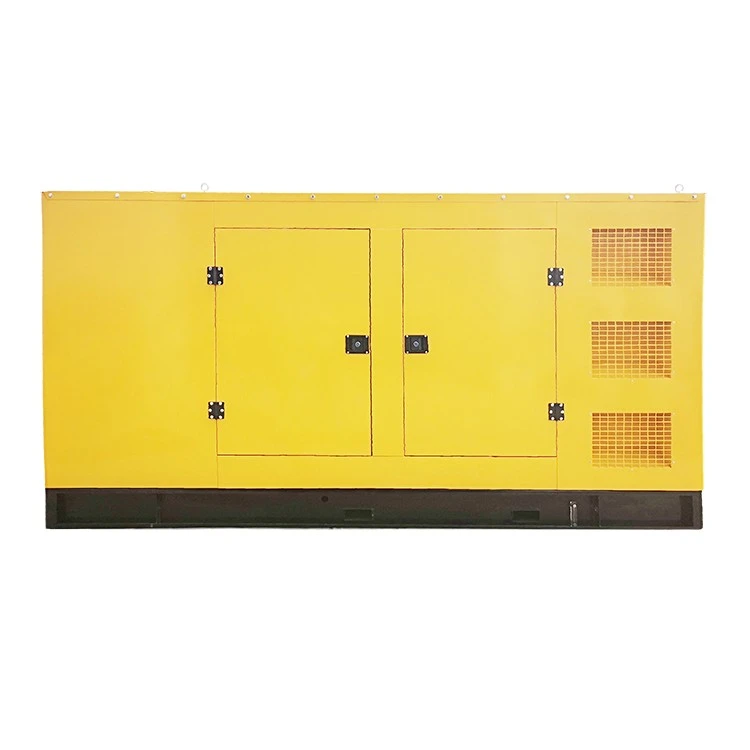
Now, let’s talk about the biggest practical concern for construction sites: durability. Construction sites are rough—dust, dirt, rain, heavy vibration, and constant movement from one part of the site to another. Can a silent genset hold up to that kind of environment? Early silent gensets had a bad reputation for being flimsy, with thin enclosures that rattled, leaked, or got clogged with construction dust after a few weeks. But modern models are built with heavy-gauge steel enclosures, sealed air filters that keep out dust, and vibration-dampening mounts that reduce wear on internal components—all features designed specifically for tough work environments. I’ve seen our silent gensets run nonstop for 6 months straight on a highway expansion project in a rural area, with no major breakdowns, just routine oil and filter changes. The sealed enclosures also protect the internal engine from rain and debris, which is a huge win compared to open-frame units that can get damaged by flying rocks or construction materials. That said, there are a few best practices to keep in mind: make sure the genset is placed on a flat, stable surface away from falling debris, and schedule regular maintenance (just like you would with any construction equipment) to keep it running smoothly.
Another often-overlooked benefit of silent gensets on construction sites is worker safety and well-being. Open-frame generators don’t just annoy people off-site—they’re loud enough to cause hearing damage over long shifts. Construction workers are already at high risk for noise-induced hearing loss from tools like jackhammers and chainsaws, and adding a loud genset on top of that only increases that risk. A 2021 study from the National Institute for Occupational Safety and Health (NIOSH) found that construction workers exposed to over 85 dB of noise for 8 hours or more a day have a 30% higher rate of hearing loss than workers in other industries. Switching to a silent genset that operates under 75 dB can reduce overall site noise levels, making it easier for workers to communicate, hear warning signals, and avoid accidents. We had a customer in the Pacific Northwest recently tell us that since switching to our silent gensets, their team has had fewer near-misses because workers can hear each other when coordinating lifts or moving heavy materials. That’s a tangible, life-changing benefit that goes way beyond just keeping neighbors happy.
Cost is another factor people debate when talking about silent gensets. Some say they’re too expensive upfront, but when you add up the cost of fines, equipment damage, worker healthcare, and even rental fees for temporary units when noise ordinances restrict work, the long-term savings are significant. For example, if you get a $1,000 fine for noise violations once a week, that’s $52,000 a year—way more than the difference in upfront cost between a silent genset and a comparable open-frame unit. Silent gensets also tend to have longer lifespans than open-frame units because they’re better protected from the elements and vibration; most of our customers tell us their silent gensets last 5-10 years with regular maintenance, compared to 3-6 years for a similar open-frame unit. And let’s not forget about rental: if you only need a generator for a short-term project, many equipment rental companies now offer silent units, but if you own your own, you can save even more over time. A lot of small construction business owners we work with start with a smaller silent genset, like the Low Noise Diesel Generator line, and add larger models as their business grows.
I know what some of you are thinking: “What about remote construction sites where there’s no one around to complain about noise?” Even in those cases, silent gensets have benefits. They’re quieter for your own team, they burn fuel more efficiently than older open-frame units (because the sealed enclosures improve engine performance), and they require less maintenance because they’re protected from dust and debris. We’ve supplied silent gensets to a mining company in Western Australia where the site is 100 miles from the nearest town, and they told us that switching to silent units reduced their fuel costs by 15% a year because the engines ran cooler and more efficiently. That’s a huge savings for a remote site where fuel transport costs are already high.
Of course, silent gensets aren’t the right choice for every construction site. If you’re working on a tiny, one-day project in a rural area with no noise restrictions, a traditional open-frame genset might be more convenient and cheaper for that single use. But for most commercial, residential, or industrial construction projects that last more than a few weeks, or are located in or near populated areas, silent gensets are a reliable, cost-effective, and responsible choice. The key is to work with a supplier who understands both construction site needs and genset design, to pick the right size and model for your specific power requirements, and to follow basic maintenance practices to keep your unit running.
As a supplier, we’ve seen firsthand how silent gensets have evolved from a niche product for backup power to a standard tool on construction sites around the world. We’ve helped hundreds of contractors switch from loud open-frame units to silent gensets, and the feedback has been consistent: fewer fines, happier neighbors, safer workers, and lower long-term costs. If you’re a construction manager or business owner wondering if a silent genset is right for your next project, the best way to find out is to talk to someone who knows the product and your industry. There’s no one-size-fits-all answer, but for most projects, the benefits far outweigh any initial concerns.
If you’re ready to explore silent genset options for your construction site, or have questions about matching a unit to your power needs, we’re here to help. Whether you need a compact unit for a small residential remodel or a high-capacity model for a large industrial project, our team can guide you through the process of selecting the right genset, understanding local noise regulations, and ensuring you get reliable, long-lasting power for your site. Reach out to our team to discuss your project requirements and explore the range of silent generator sets we offer.
References:
- National Institute for Occupational Safety and Health. (2021). Noise and Hearing Loss Prevention in Construction. U.S. Department of Health and Human Services.
- Construction Noise Regulation Best Practices. (2022). National Association of Construction Employers.
- Diesel Generator Efficiency and Durability for Construction Sites. (2023). International Council for Construction Equipment.
- Noise Reduction in Temporary Power Equipment. (2020). Journal of Construction Engineering and Management.