

Can a no noise generator be used for powering a refrigerator?
If you’ve ever stood in a kitchen at 2 a.m. and stared at your fridge, knowing it hums along quietly in the background, you might wonder what happens if that hum stops—and how you’d keep the fridge running during a blackout, without the loud, disruptive roar of a traditional generator. As a supplier of no noise generators, I hear this question all the time: Can a no noise generator be used for powering a refrigerator? The short answer is yes, but it’s not just about picking any quiet generator off the shelf. It’s about understanding how fridges work, what makes a generator truly quiet (and functional), and how to match the two to avoid common pitfalls that waste energy or even damage your appliance.
First, let’s break down the basics of a refrigerator’s power needs to get the science right. Unlike small electronics like phones or laptops that use steady, low power, fridges have two key power draws: starting wattage and running wattage. Starting wattage is the surge of power the compressor needs to kick on, which is 2 to 3 times higher than the running wattage—usually around 1,000 to 2,000 starting watts and 500 to 1,000 running watts for a standard residential fridge. If a generator can’t handle that initial surge, it can’t start the compressor, no matter how quiet it is. That’s why so many people make the mistake of buying a tiny “quiet” generator for camping (like those marketed for RVs) and find it won’t power their home fridge during an outage.
This is where no noise generators stand out from their loud counterparts. Traditional open-frame generators produce 70 to 85 decibels—about as loud as a busy street or lawn mower—enough to make conversation impossible and disturb neighbors. No noise generators (often called silent, soundproof, or enclosed generators) use insulated casing, rubber mounting pads to reduce vibration, and muffler systems to cut noise to 50 to 60 decibels—roughly the level of a normal conversation or a quiet office. But not all quiet generators are created equal when it comes to handling a fridge’s power needs. For example, small quiet RV generators are designed for light loads like TVs and small appliances, not the compressor surge of a fridge. If you’re looking for something that can handle residential fridge power, you’ll need a model with enough starting and running watts, like the ones we offer for home use.

Let’s talk about how to match a no noise generator to your fridge. First, check your fridge’s manual for the exact starting and running wattage—this will be listed on a label inside the fridge or in the owner’s guide. A common mistake is guessing based on the fridge’s size: a 18 cubic foot top-freezer fridge might need 1,500 starting watts, while a larger side-by-side could need 2,000. Next, look for a generator that exceeds that starting wattage by at least 10% to 20% to be safe. For most residential fridges, a generator with 2,000 to 3,000 starting watts and 1,000 to 1,500 running watts works perfectly.
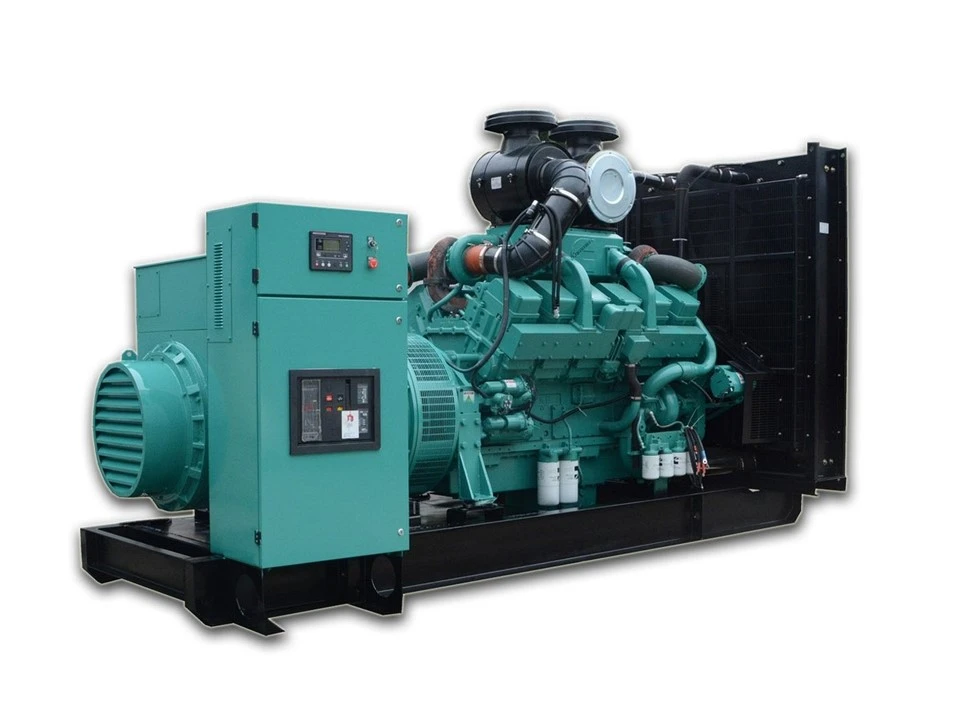
Now, how does a no noise generator deliver that power without the noise? Our lineup uses a sound-insulated enclosure that traps engine noise, and some models (like the Blackstone Diesel Generator) use advanced muffler technology to further reduce exhaust noise, making them quiet enough for residential backyards, apartment buildings, or even RV parks where noise restrictions are strict. Unlike gas generators, diesel models also run longer on a single fuel tank, making them ideal for extended power outages, and they produce less fumes, which is a plus for enclosed or semi-enclosed spaces.
Another key factor is power quality. Fridges (and other sensitive appliances) rely on consistent, clean electrical current to avoid damaging the compressor or control boards. No noise generators with inverter technology produce pure sine wave power, which matches the power from your home’s grid. That’s important because older, basic generators can produce variable power that can shorten the lifespan of a fridge. When we talk about “the most quiet generator,” we mean models that combine pure sine wave power, enough wattage for your fridge, and noise levels low enough that you can barely hear it running 20 feet away. A lot of customers are surprised that these generators don’t sacrifice performance for quietness—they deliver both.
Let’s address a common myth: some people think a no noise generator is just a regular generator in a box. That’s not true. The insulation reduces heat, so these generators also run cooler, which can extend their lifespan. But you still need to size them correctly for your fridge. For example, a small portable quiet generator might work for a mini-fridge in an RV, but not for your home kitchen fridge. If you’re looking for a generator that works for both RVs and home backup, our Quiet RV Generators line offers flexible power levels and portability, but it’s best to check the starting watts of your fridge to confirm it will fit.
We’ve seen this play out with customers firsthand. Last year, a family in a suburban neighborhood called us after a storm knocked out power for 12 hours. They’d bought a cheap quiet generator from a big box store, thinking it would power their fridge, but it kept cutting out because it couldn’t handle the compressor surge. They switched to our Generator Silent 8500, which has 2,100 starting watts and 1,500 running watts—perfect for their 18 cubic foot fridge—and said they could barely hear it running in their backyard, even with their windows open. That’s the sweet spot: a generator that’s quiet enough for residential use, powerful enough for a fridge, and reliable during outages.
Another consideration is how long you need the generator to run during a power outage. A standard fridge only runs about 20% of the time when it’s maintaining temperature, so even a 1,000 running watt generator will keep your fridge going for hours, depending on the model. Larger soundproof diesel generators can run 10+ hours on a single tank, which is perfect for extended outages or for people who want backup power for other appliances (like lights or a TV) at the same time. If you live in an area that experiences frequent power cuts, a no noise generator that can power your fridge and other essentials is a smart investment.
Wait a second—what if you already have a traditional loud generator and want to power your fridge without the noise? Can you convert it to be quiet? Probably not, without major modifications. Open-frame generators are built to allow air flow for cooling, and adding insulation would cause them to overheat. No noise generators are engineered from the start to balance power, cooling, and noise reduction, so they’re the only reliable option if you want both quiet operation and the power to run a fridge.
Let’s also touch on safety. When using a generator to power your fridge, you should never plug it directly into your home’s electrical outlets without a transfer switch. A transfer switch disconnects your home from the grid, so you don’t backfeed power into the utility lines, which can electrocute line workers. No noise generators work the same way as traditional generators in terms of safety—you still need to use a transfer switch, keep it outside to avoid carbon monoxide poisoning, and follow all local electrical codes. The only difference is you won’t have to worry about the noise disturbing your family or neighbors.
So, to circle back to the original question: Can a no noise generator be used for powering a refrigerator? Absolutely, as long as you choose a model with enough starting and running wattage to handle your fridge’s compressor surge. The key is to not just pick a generator because it’s “quiet”—you need to check its power specs against your fridge’s needs. If you’re not sure which model is right, our team can help you match your fridge’s wattage to the right no noise generator, whether you need a portable unit for an RV or a stationary model for home backup.
If you’re ready to find a no noise generator that works for your fridge and fits your needs, don’t hesitate to reach out to our team for guidance and pricing. We specialize in matching our quiet generator solutions to residential and RV owners who need reliable power without the disruptive noise.
References:
- U.S. Department of Energy. (2023). Appliance Energy Facts: Refrigerators. Retrieved from energy.gov
- Noise Control Foundation. (2022). Generator Noise Levels and Residential Considerations. Retrieved from noisecontrol.org
- International Electrotechnical Commission. (2021). Standard for Pure Sine Wave Power for Household Appliances. Retrieved from iec.ch
- North American Electrical Code. (2023). Generator Safety and Transfer Switch Requirements. Retrieved from nec-code.org