

How does the load capacity of a silent generator affect its performance?
Hey there! As a supplier of silent generators, I've seen firsthand how the load capacity of these nifty machines can make or break their performance. In this blog, I'm gonna break down what load capacity is, how it affects different aspects of a silent generator's performance, and why it's super important to get it right.
Let's start with the basics. Load capacity, in simple terms, is the maximum amount of electrical power a generator can handle at any given time. It's usually measured in kilowatts (kW) or kilovolt - amperes (kVA). When you're sizing up a generator, it's crucial to know your power needs because asking a generator to work beyond its load capacity is like asking a racehorse to pull a freight train - it just won't end well.
Impact on Power Output and Efficiency
The most obvious way load capacity affects performance is in power output. A silent generator operating within its load capacity can deliver a stable and reliable power supply. For instance, if you've got a 200kw Silent Diesel Generator and your total power demand is 150 kW, the generator can handle the load without breaking a sweat. It'll run smoothly, and you'll get a consistent flow of electricity to power your appliances, machinery, or whatever you need.
But what happens if you overload it? Well, things can go south pretty quickly. When a generator is overloaded, it has to work harder to produce the extra power. This increased strain leads to a drop in power output quality. You might experience voltage fluctuations, which can damage sensitive electronic equipment. Think about all those fancy computers, medical devices, or smart home gadgets. A sudden voltage spike or dip can fry their circuits, causing costly repairs or complete replacement.
And then there's efficiency. A generator operates most efficiently when it's running at around 70 - 80% of its rated load capacity. When it's underloaded (running well below its max capacity), it's not using fuel effectively. The engine is running, but it's not doing a whole lot of work, so you're burning fuel without getting much power in return. On the flip side, an overloaded generator also becomes inefficient. It has to consume more fuel to try and keep up with the demand, but it can't deliver the power as effectively, leading to wasted fuel and higher operating costs.
Effect on Fuel Consumption
Fuel consumption is a big deal, especially if you're using a generator for extended periods. A silent generator's load capacity has a direct impact on how much fuel it gulps down. As I mentioned earlier, running at the optimal load (70 - 80% of capacity) is the sweet spot for efficiency.
Let's say you have a Portable Silent Diesel Generator that's rated for 10 kW. If you're only using 2 kW of power, the engine is idling most of the time, and it's burning fuel inefficiently. You're spending money on fuel, but you're not getting the most bang for your buck. On the other hand, if you try to run 15 kW worth of equipment on that 10 kW generator, it has to work overtime. The engine revs higher, and it burns a lot more fuel than it would under normal operating conditions.
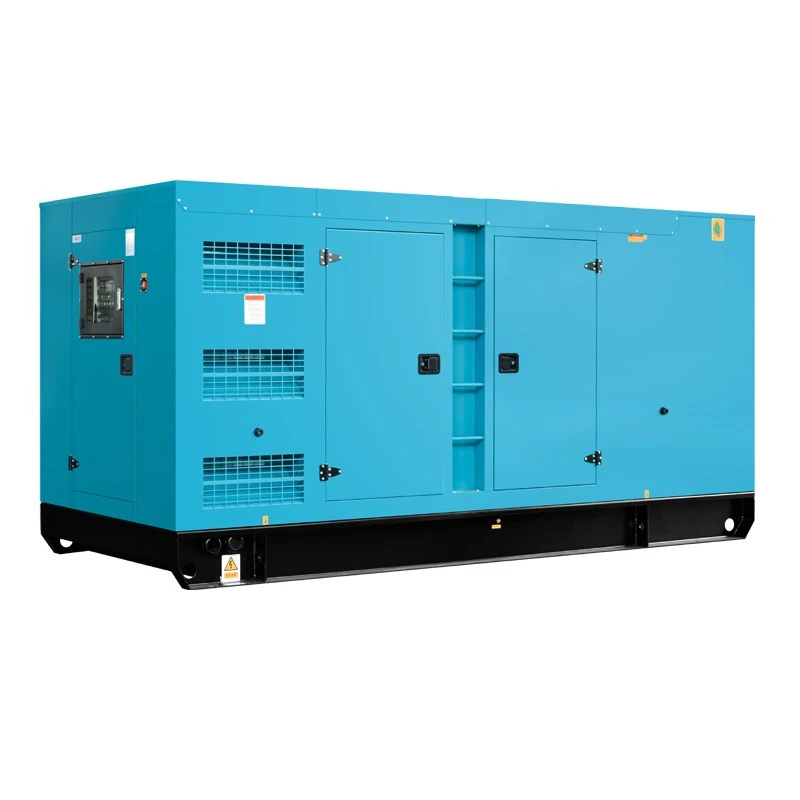

To put it in perspective, a well - loaded generator can save you a significant amount of money on fuel costs over time. It's like driving a car at a steady speed on the highway versus stop - and - go traffic in the city. You use a lot less gas when you're cruising at a consistent pace.
Impact on Noise Level
One of the main selling points of a silent generator is, well, its silence. But load capacity can mess with that too. When a generator is running within its load capacity, the engine operates smoothly, and the noise level stays relatively low. That's what makes Soundproof Diesel Generator so popular. They're designed to keep the racket down, allowing you to use them in residential areas, hospitals, or other noise - sensitive environments without disturbing anyone.
However, when the generator is overloaded, the engine has to work harder, which usually means it gets louder. That smooth purr turns into a noisy growl. The increased stress on the engine causes more vibrations and mechanical noise. And if you're counting on the quiet operation of your generator, an overloaded engine can quickly turn your peaceful environment into a noisy mess.
Influence on Generator Lifespan
Just like any piece of machinery, a silent generator's lifespan is affected by how it's used. Running within the load capacity is like taking good care of your body by eating right and exercising regularly. It keeps the generator in good shape for a long time.
When a generator is overloaded, the extra stress on the engine, alternator, and other components can cause premature wear and tear. The engine has to work harder, which means more heat is generated. Excessive heat can damage engine parts, such as pistons, valves, and bearings. Over time, these components can fail, leading to costly repairs or even the need to replace the entire generator.
On the other hand, underloading a generator can also be bad. The lack of a proper load can cause carbon buildup in the engine, which can affect its performance and reduce its lifespan. So, finding the right balance in load capacity is crucial for keeping your generator running strong for years to come.
Choosing the Right Load Capacity
Now that you know how load capacity affects performance, how do you choose the right one? First, you need to calculate your power needs. Make a list of all the appliances, equipment, or machinery you want to power with the generator. Note down their power ratings (usually in watts or kilowatts). Add them all up to get your total power demand.
It's also a good idea to consider any future expansion or additional equipment you might add. You don't want to buy a generator that's too small and then have to upgrade it in a few months.
When you're looking at generators, pay attention to both the rated load capacity and the peak load capacity. The rated capacity is the continuous power output the generator can provide, while the peak capacity is the maximum power it can handle for a short period, like when starting up a large motor.
Wrapping Up and Looking to the Future
In conclusion, the load capacity of a silent generator plays a crucial role in its performance. It affects power output, efficiency, fuel consumption, noise level, and lifespan. As a supplier, I always tell my customers to take the time to calculate their power needs accurately and choose a generator with the right load capacity.
If you're in the market for a silent generator and want to learn more about how to match the load capacity to your needs, or if you have any questions about our Low Noise Diesel Generator or Canopy Diesel Generator options, don't hesitate to reach out. We're here to help you make the best decision for your power requirements.
References
- "Generator Handbook" by some well - known author in the power generation field
- Industry reports on silent generator performance and load capacity analysis