

How to replace the starter motor in a super silent diesel generator?
Hey everyone,
If you’re here because your super silent diesel generator just won’t crank over, don’t panic— I’ve been there, and as someone who’s spent the last 10 years selling these things (you know, the 200kw Silent Diesel Generator that our construction clients swear by for remote job sites), replacing a starter motor is way simpler than it sounds. Most folks think tinkering with gensets is rocket science, but with the right steps, even a weekend DIYer can knock this out in a couple of hours. Just a quick heads up: this is for the super silent types— those sound-dampened enclosures that keep things quiet enough for residential areas or hospitals, so we’re gonna pay extra attention to not messing with the enclosure’s seal later.
First, let’s rule out it’s actually the starter, right? Nothing’s worse than tearing into this only to find it was just a dead battery or a loose wire. I’ve had customers come back saying their Mq Power 20kW Diesel Generator wouldn’t start, and turns out they just left the battery charger unplugged for a week. So step zero: double-check the basics. Pop open the small access panel on the side of the genset (not the whole silent enclosure— save that for later) and grab a multimeter. Test the battery voltage— it should be at least 12.4V for a 12V system, 24V for bigger units like our Silent Power Generator 180kva. If it’s lower, charge it and try again. Also, wiggle the cables to the starter— corrosion or loose connections are super common, especially on older units. If those check out and it still just clicks or does nothing, yeah, starter motor’s your culprit.
Now, safety first. I can’t stress this enough. Always disconnect the battery terminals first— negative (-) first, then positive (+). No exceptions. If you accidentally bump a wrench against the positive post while working, that’s a dead short and could damage the starter, battery, or even you. Also, make sure the genset is off and cool— don’t work on a hot engine, you’ll burn yourself and maybe warp parts. Grab a few basic tools: a socket set (metric, since most European and Asian gensets use metric bolts), a flathead screwdriver, a wrench for the battery cables, and a little can of electrical contact cleaner. Maybe a small container to hold loose bolts— you don’t want to drop one into the enclosure and have to dig it out later.
Next, get access to the starter motor. For super silent gensets, the starter is usually mounted low on the side of the engine, tucked right against the sound-dampening foam inside the enclosure. You don’t have to take the whole enclosure apart— most of our units (including the Suptech Diesel Generator line) have a dedicated starter access panel on the side of the silent box. Look for a panel with a few bolts or latches— undo those, and you’ll be staring at the starter. There will be two main wires: the big thick positive cable that runs straight to the battery, and a smaller trigger wire that connects to the ignition switch. Label both of these with a piece of tape and a marker if you’re worried about mixing them up— I do this every time, even after a decade, because it’s easy to grab the wrong one by accident.
Now, remove the old starter. First, loosen the bolts holding the starter to the engine block. There are usually two or three bolts— one big one at the top, a smaller one at the bottom. Use your socket set to turn them counterclockwise, and hold the starter steady as you go, because once the bolts are loose, it’s gonna slide right out. As you pull it out, you might see a little bit of gear lube or dust— that’s normal. Take a quick look at the flywheel gear teeth too, while you’re at it. If they’re worn or chipped, you might wanna fix that while you’re at it, but that’s a bonus step for another day. Just make sure you don’t let any debris fall into the engine during this— keep the access area clean.
Before you install the new starter, do a quick check. Compare it to the old one to make sure it’s the exact same model— no mixing up sizes, because that’ll cause it to grind against the flywheel or not engage at all. Wipe the mounting surface on the engine block with a clean rag, and spray a little electrical contact cleaner on the terminals of the new starter to get rid of any factory grease. If your new starter has a small gear, maybe dab a tiny bit of high-temp gear lube on it (not too much, you don’t want it getting on the flywheel) to make engagement smoother.
Now, line up the new starter with the engine block. Make sure the gear lines up perfectly with the flywheel teeth— if it’s not straight, don’t force it, you’ll strip the gear teeth and that’s a whole other headache. Once it’s seated, hand-tighten the bolts first, then torque them to the manufacturer’s specs (usually around 25-30 ft-lbs, but check your manual— all our gensets come with a digital manual if you don’t have the physical one). Next, reconnect the wires: first the big thick positive cable, then the small trigger wire. Make sure the terminals are tight, but don’t over-tighten them— you’ll strip the bolt and have a loose connection later. If you have terminal ends with corrosion, this is a good time to clean them with a wire brush too.
Now, let’s test it before you put the access panel back on (super important, because you don’t wanna have to pull it apart again if it’s not working). Reconnect the battery terminals (positive first, then negative), and make sure all other connections are clear. Turn the ignition key to “start” and listen. It should crank smoothly and the engine should fire right up, same as it did when it was new. If it grinds, stops, or makes a weird noise, turn it off immediately and double-check the alignment of the starter. If it cranks fine, shut it down and disconnect the battery again before putting the access panel back on. Then, make sure the panel’s seal is tight— that foam or rubber gasket on the access panel is what keeps the super silent genset quiet, so if you leave a gap, you’ll lose all that noise reduction. Tighten the bolts evenly so the seal sits flat all around.
Wait a second, did I miss anything? Oh, a couple of pro tips from the field. First, if you have a portable unit like our Portable Silent Diesel Generator, the access panel is even easier to get to— I’ve had clients swap starters on their job site in 45 minutes, no problem. Second, if you live in a cold climate, keep a spare starter on hand— cold weather puts extra strain on starters, so having a backup means you’re not stuck in the dark if one goes out. Also, if you’re not comfortable working with electrical parts, don’t force it— call a licensed tech, no shame in that. We’ve had a few customers try to do it themselves and mess up the wiring, so they had to pay twice to fix it.
At the end of the day, replacing a starter in a super silent diesel genset is a pretty straightforward job, as long as you take your time, follow the steps, and don’t skip the safety stuff. If you’ve been dealing with a starter that clicks or won’t engage, this should get your unit back up and running in no time.

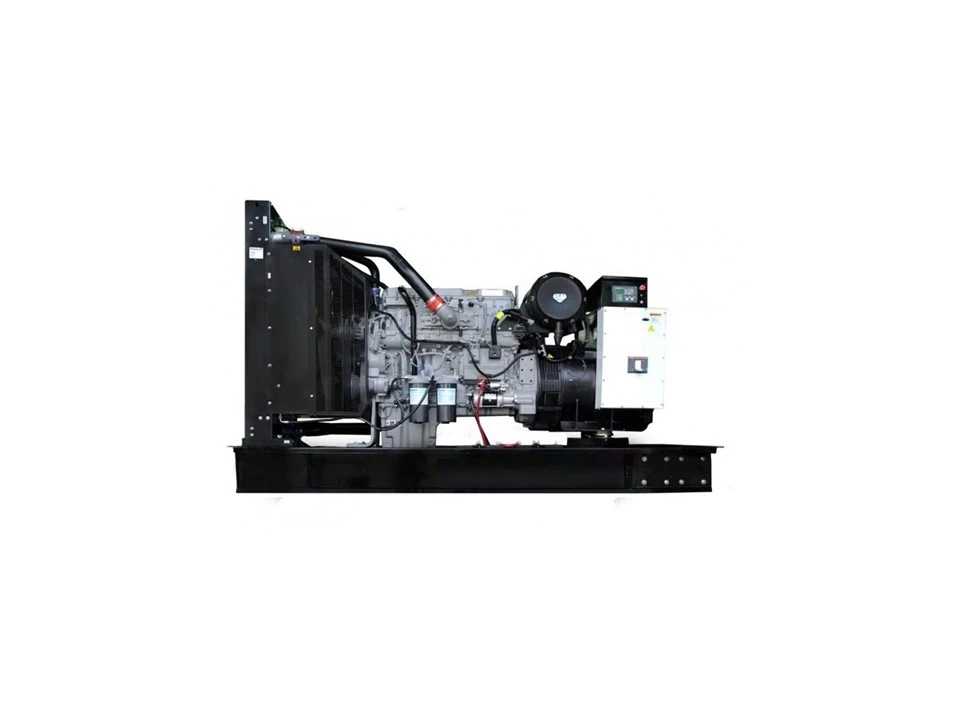
If you need a replacement starter for any of our models— whether it’s the 200kw, 180kva, Mq Power 20kW, or any of our Suptech lines— or you have questions about maintenance, feel free to reach out to us to chat. We’re here to help keep your genset running smooth, whether it’s for backup power at home, construction sites, or anywhere you need reliable, quiet power.
References
- Generator Service and Repair Manual, National Fire Protection Association (NFPA) 110: Standard for Emergency and Standby Power Systems
- Silent Diesel Generator Maintenance Guide, International Organization for Standardization (ISO) 8528: Reciprocating Internal Combustion Engines for Gensets
- Starter Motor Installation Best Practices, Automotive Service Association (ASA) Diesel Division