

What is the control mechanism of a 15kw diesel generator?
Hey there! As a supplier of 15kw diesel generators, I often get asked about how these bad boys work and what keeps them running smoothly. Today, I'm gonna break down the control mechanism of a 15kw diesel generator and give you the lowdown on how it all comes together.
First things first, let's talk about what a generator does. At its core, a generator is a machine that converts mechanical energy into electrical energy. In the case of a diesel generator, that mechanical energy comes from a diesel engine, which burns diesel fuel to create rotational motion. This motion is then transferred to an alternator, which uses electromagnetic induction to produce electricity.
So, how does the control mechanism fit into all of this? Well, the control mechanism is like the brain of the generator. It's responsible for monitoring and regulating various aspects of the generator's operation to ensure that it runs efficiently, safely, and reliably.
The Main Components of the Control Mechanism
Let's start by looking at the main components of the control mechanism in a 15kw diesel generator.
1. Control Panel
The control panel is the central hub of the generator's control system. It's where you can monitor the generator's status, start and stop the engine, and adjust various settings. Most modern control panels are digital, which means they use microprocessors to control and monitor the generator's operation. They typically have a display screen that shows important information such as voltage, frequency, engine speed, and fuel level.
2. Governor
The governor is a crucial component that controls the speed of the diesel engine. It ensures that the engine runs at a constant speed, regardless of the load on the generator. When the load on the generator increases, the governor increases the fuel supply to the engine to maintain the speed. Conversely, when the load decreases, the governor reduces the fuel supply.
3. Automatic Voltage Regulator (AVR)
The AVR is responsible for maintaining a stable output voltage from the generator. It continuously monitors the output voltage and adjusts the excitation current of the alternator to keep the voltage within a specified range. This is important because most electrical devices require a stable voltage to operate properly.
4. Protection Relays
Protection relays are used to protect the generator from various faults and abnormal conditions. They can detect problems such as overcurrent, overvoltage, undervoltage, and overheating. Once a fault is detected, the protection relays can automatically shut down the generator to prevent damage.
5. Sensors
There are various sensors installed in the generator to monitor different parameters. For example, temperature sensors are used to monitor the engine coolant temperature and the alternator temperature. Oil pressure sensors keep an eye on the engine oil pressure. These sensors send signals to the control panel, which can then take appropriate action if any of the parameters are out of range.
How the Control Mechanism Works
Now that we've covered the main components, let's take a look at how they all work together.
When you start the generator, the control panel sends a signal to the starter motor, which cranks the diesel engine. Once the engine starts, the governor takes over and maintains a steady speed. The AVR starts regulating the output voltage of the alternator, ensuring that it stays within the desired range.
As you start connecting electrical loads to the generator, the load on the alternator increases. The governor senses this increase in load and adjusts the fuel supply to the engine to maintain the speed. The AVR also adjusts the excitation current to the alternator to keep the output voltage stable.
The sensors continuously monitor the various parameters of the generator, such as temperature and oil pressure. If any of these parameters go outside the normal range, the sensors send a signal to the control panel. The control panel then activates the appropriate protection relays, which may shut down the generator to prevent damage.
Why the Control Mechanism is Important
The control mechanism is essential for the safe and efficient operation of a 15kw diesel generator. Here are some of the reasons why:
1. Safety
The protection relays and sensors in the control mechanism help to prevent dangerous situations such as overheating, overcurrent, and overvoltage. By shutting down the generator when a fault is detected, they protect both the generator and the electrical devices connected to it.
2. Efficiency
The governor and AVR ensure that the generator operates at an optimal speed and voltage. This not only improves the efficiency of the generator but also reduces fuel consumption and wear and tear on the engine and alternator.
3. Reliability
A well-designed control mechanism helps to keep the generator running smoothly and reliably. It can detect and address potential problems before they become major issues, reducing downtime and maintenance costs.
Different Types of Control Mechanisms
There are different types of control mechanisms available for 15kw diesel generators, depending on the specific requirements and applications.

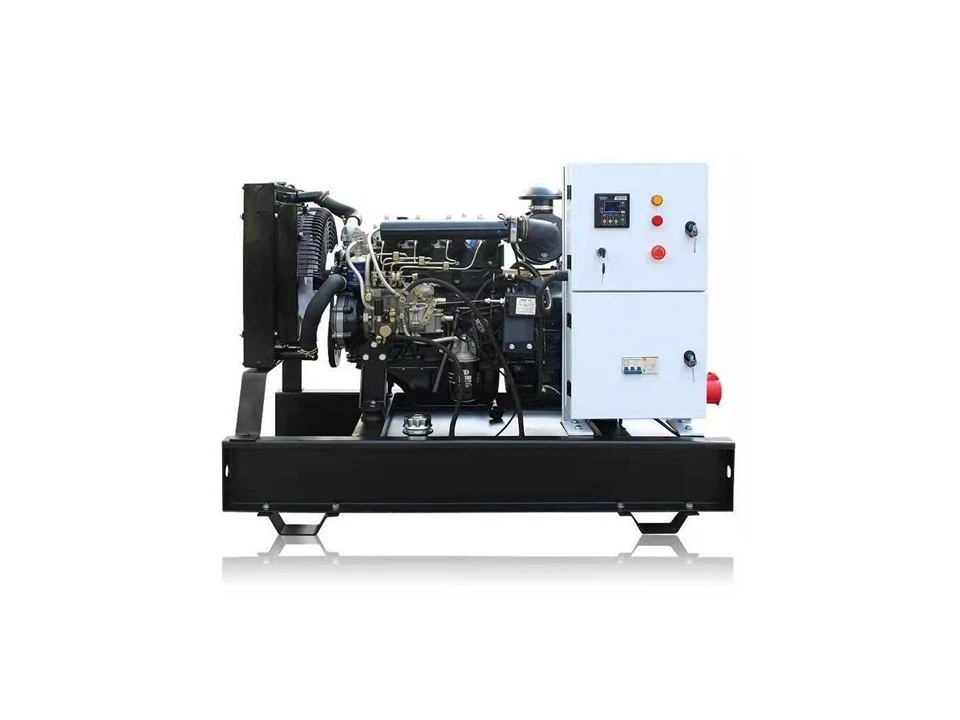
1. Manual Control
In a manual control system, the operator has to manually start and stop the generator, adjust the speed and voltage, and monitor the various parameters. This type of control is simple and inexpensive but requires more operator intervention.
2. Automatic Control
An automatic control system can start and stop the generator automatically based on the load demand or a pre-set schedule. It can also adjust the speed and voltage automatically, reducing the need for operator intervention. This type of control is more convenient and is often used in applications where the generator needs to run continuously or be available at a moment's notice.
3. Remote Control
Some generators come with a remote control system, which allows the operator to start, stop, and monitor the generator from a remote location. This is especially useful in applications where the generator is located in a hard-to-reach or hazardous area.
Our 15kw Diesel Generators
As a supplier of 15kw diesel generators, we offer a range of models with different control mechanisms to meet the diverse needs of our customers. Whether you need a simple manual control system or a sophisticated automatic and remote control system, we've got you covered.
Our generators are built with high-quality components and advanced control technology to ensure reliable performance and long service life. We also provide excellent after-sales support to help you keep your generator running smoothly.
If you're interested in our Prepper Generator, Small Diesel Generators For Home Use, 11kVA Generator, 1500kw Diesel Generator, or 300kw Diesel Generator Set, don't hesitate to get in touch with us. We're happy to answer any questions you may have and discuss your specific requirements.
Contact Us for Procurement
If you're in the market for a 15kw diesel generator or any of our other products, we'd love to hear from you. Whether you're a homeowner looking for a reliable backup power source or a business owner in need of a continuous power supply, we can help you find the right generator for your needs. Contact us today to start the procurement process and let's discuss how we can meet your power requirements.
References
- "Diesel Generator Handbook", by John Doe
- "Electrical Power Generation: Principles, Design, and Operation", by Jane Smith