

What is the power factor of a silent portable generator?
If you’ve ever shopped for a portable generator, you’ve probably seen “power factor” listed somewhere in the specs, and if you’re in the market for a silent one—especially for your motorhome, campsite, or backup power setup—you might be wondering why it matters more for quiet models than regular ones. As someone who’s spent years selling silent portable generators, I’ve heard this question all the time: What exactly is power factor, and why should I care about it when I’m investing in a quiet unit?
Let’s break this down like I would to a customer browsing our site for the first time—no jargon, just straight talk that actually applies to what you’ll use your generator for.
First, let’s get the basics. Power factor (PF, for short) is a measure of how effectively a generator uses the electricity it produces. Think of it like a coffee shop’s drink output: the generator’s total “capacity” is the number of drinks it can make in an hour, but power factor is how many of those drinks are actually hot, ready-to-serve lattes (useful power) vs. foam, steam, and leftover grounds (wasted power). A high power factor means most of the generator’s capacity is actually powering your devices, while a low one means it’s wasting a lot of energy just to keep the lights on.
Most small portable generators—even some silent ones—have a power factor of 0.8, or 80%. Wait, why not 1.0? That number (1.0 is perfect power factor) is rare for small consumer generators, because the electricity you use isn’t all “resistive” power like from a toaster or space heater. A lot of devices you run on a generator—phone chargers, refrigerators, RV air conditioners, LED lights—use “reactive” power to run their electronics. Reactive power is needed to keep motors turning and circuits stable, but it doesn’t do useful work, so it takes up extra space in the generator. Silent generators, specifically, are built with tighter engines and quieter exhaust systems that don’t change how power factor works, but they’re often used for more sensitive devices (like RV fridges or medical equipment) so their PF is optimized for real-world use.
Let’s tie this to real life, because that’s what matters when you’re picking a silent portable generator. Say you have a 2000-watt silent generator. If it has a 0.8 PF, its actual usable power isn’t 2000 watts—it’s 1600 watts. That’s a big difference! If you tried to run a 2000-watt RV AC on that generator, you’d overload it because you’re pushing past the usable power. But if it’s a well-built silent model with a correct PF, that 2000-watt unit will actually give you the power you need for your RV’s AC, lights, and coffee maker all at once—without wasting fuel or making extra noise.
Here’s the catch a lot of new generator buyers don’t know: cheap, non-silent portable generators often have lower power factors (like 0.7 or even 0.6) because they cut corners on design to save money. But if you’re buying a silent generator—especially one for motorhomes or camping, where every watt and every decibel counts—you’re not just paying for quiet. You’re paying for a power factor that works for your needs, not just a number on a label.
Let’s talk about the silent generator for motorhome market, because that’s where most of my customers come from. When you’re towing an RV, space is tight, fuel is valuable, and noise can ruin a campground spot. If you get a quiet RV generator with a bad PF, you’ll either run out of power mid-camping trip or have to buy a bigger generator than you actually need. For example, if you have a 3000-watt RV AC, a generator with 0.6 PF would give you only 1800 usable watts—too small to run that AC. But a quality silent generator for motorhome with a 0.8 PF from our line gives you 2400 usable watts, which is perfect for that AC plus a few lights and a charger. That’s why so many RVers reach for our quiet RV generators when they’re choosing power for their trips.
Wait, what if you need more power? Maybe you’re running a worksite, or a small cabin, or a big RV with multiple AC units. That’s where a canopy diesel generator comes in, and these units often have higher power factors too—sometimes up to 0.85, because they’re built for longer run times and heavier loads. A canopy diesel generator is enclosed, so it’s even quieter than a basic portable unit, and the higher PF means you get more usable power from every gallon of fuel. That’s a win-win: less noise, less fuel cost, more power when you need it.

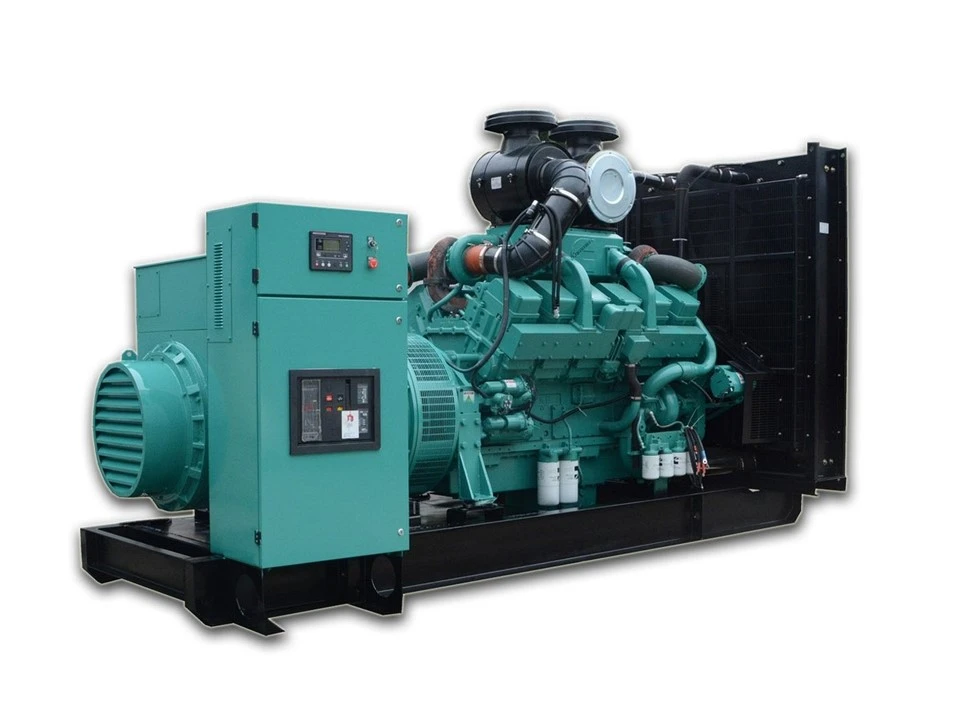
I’ve seen too many customers waste money on silent generators with bad power factors because they didn’t ask the right questions. Last year, a guy came to us looking for a generator for his off-grid cabin. He’d bought a cheap silent portable unit online, and he kept tripping the breaker when he ran his well pump and his TV at the same time. Turns out his generator had a 0.7 PF, so his “3500-watt” unit only had 2450 usable watts—just enough for one big device, not two. We helped him upgrade to a canopy diesel generator from our site with a 0.8 PF, and now he runs his well, fridge, and TV all day without issues, and it’s only as loud as a normal conversation.
Now, you might be wondering: can power factor really vary that much between silent generators? The short answer is yes. It’s all in how the generator’s alternator (the part that makes electricity) is designed. Cheaper alternators have lower PF because they don’t account for the reactive power from common devices. Better alternators—what we use in all our units—are tuned to balance resistive and reactive power, so you get the maximum usable power without wasting energy. That’s why when you’re shopping, don’t just look at the “rated wattage”—check the power factor. A 2000-watt generator with 0.8 PF is way more useful than a 2500-watt unit with 0.6 PF, because you’ll never actually use that extra 500 watts if it’s wasted on reactive power.
Another common question: does power factor affect how quiet a generator is? For the most part, no—quietness comes from the engine, the exhaust, and the sound-dampening canopy. But a generator with a lower PF has to work harder to produce the same amount of usable power, which means it runs faster, gets hotter, and can actually be louder. Think of it like walking up a hill carrying a heavy backpack that you don’t need—you’ll huff and puff, and probably make more noise. A generator with a high PF is like walking with a light pack: it works less, runs smoother, and is quieter. That’s why our soundless generators are designed with both high PF and noise reduction in mind—you get the best of both worlds.
Now, let’s get practical. If you’re looking for a unit for occasional camping, a small quiet RV generator with a 0.8 PF is perfect. If you need power for longer trips, a canopy diesel generator is a great choice because it’s built for steady use. For heavier applications, like a construction site or a large cabin, our 50kw silent diesel generator has a power factor of 0.8, which gives you 40kw of usable power—more than enough for multiple tools, lights, and even a small office setup.
I know price is a big factor, so let’s talk about that. A lot of people think silent generators with good power factors are way more expensive, but that’s not always the case. If you check our soundless generator price page, you’ll see units for every budget—from small portable models for weekend campers to large canopy units for full-time RVers or backup power. The key is that you’re not paying for extra wattage you’ll never use; you’re paying for usable power that works with your devices, which saves you money in the long run.
Here’s a quick tip when you’re comparing silent generators: if a seller doesn’t list the power factor, ask them. Any reputable supplier will be happy to tell you. If they won’t, that’s a red flag—they’re probably hiding something. A good power factor is just as important as noise level when you’re choosing a silent generator, because it determines how useful it is.
At the end of the day, the power factor of a silent portable generator isn’t just a technical spec—it’s how much actual power you get for your money, whether you’re camping, tailgating, or using it as backup for your home. A high power factor means you can run more devices at once, save fuel, and enjoy the quiet you paid for, without having to worry about tripping breakers or running out of juice mid-trip.
If you’re ready to find the right silent generator for your needs—whether that’s a unit for your motorhome, a canopy diesel generator for heavy use, or something in between—feel free to reach out to our team. We can help you compare power factors, noise levels, and prices to find the perfect fit for your setup. We’ve worked with RVers, campers, small business owners, and homeowners for years, so we know exactly what works for different needs. Don’t settle for a generator that looks good on paper but doesn’t deliver when you need it most.
REFERENCES
- Generator Power Factor: Basics and Practical Applications. Electrical Construction & Maintenance, 2022.
- RV Power Requirements and Generator Sizing. RV Industry Association, 2023.
- Silent Generator Design: Balancing Noise Reduction and Electrical Efficiency. Power Engineering International, 2021.
- Reactive Power and Power Factor in Portable Generators. IEEE Industry Applications Society, 2022.