

Are Super Silent Diesel Generators compliant with local noise regulations?
If you’ve ever had to power something critical—like a construction site overnight, a remote medical clinic, or even your RV on a backcountry trip—you know how frustrating a loud generator can be. Not just for you, but for everyone around you. Local noise laws are way stricter than most people realize these days, and buying a regular loud diesel gen set can lead to fines, complaints, or even getting ordered to turn it off entirely. That’s where super silent diesel generators come in, right? But here’s the big question everyone asks me as a generator supplier: Are they actually compliant with local noise regulations? Let’s break this down, from how these units work to how they stack up against real-world rules, and why it’s not just about the “super silent” label on the box.
First, let’s get one thing straight: noise regulations aren’t one-size-fits-all. You can’t just buy any super silent diesel generator and assume it’s legal in, say, New York City and rural Ohio. Different cities, counties, and even states have different decibel (dB) limits for when a generator can run, where it can be placed, and what counts as “excessive” noise that disturbs residents. For example, in residential areas, many places cap generator noise at 55 dB during the day (that’s roughly the sound of a normal conversation) and 45 dB at night (like a quiet library). Commercial zones might be a little higher, but not by much. Industrial areas have looser rules, but even there, you can’t just blast noise 24/7 without a permit.
So how do super silent diesel generators hit these numbers? Let’s talk about the tech, because that’s the key to their compliance. A regular open-frame diesel gen set can hit 85-95 dB at 7 meters, which is like standing next to a lawn mower—super loud, way over most residential limits. Super silent models use a whole suite of sound-dampening tricks: thick, insulated acoustic enclosures that wrap around the engine and exhaust, oversized mufflers, vibration isolators to stop the unit from shaking and making extra noise, and sometimes even sound-dampening foam lining the inside of the enclosure. Some even have variable-speed engines that adjust their RPM based on how much power you need, so they’re not revving at full blast when you only need a small load—another big noise saver.
But here’s the catch: not all “super silent” generators are created equal. A lot of brands slap a quiet label on units that only cut noise by 10 dB, which might not be enough for strict local rules. That’s why when I help customers pick a unit, I always start by asking where they’re going to use it and what the local noise limits are. For example, if someone needs a generator for a campsite that’s zoned residential, a basic super silent model might work, but if it’s for a downtown apartment building’s backup power, you need something with stricter noise controls. Let’s take our Powertech Diesel Generator, for example. This unit is tested at just 58 dB at 7 meters at full load— that’s right in line with most residential day-time limits, and even below many night-time rules. We’ve had customers use this in places like Seattle and Toronto, where residential noise limits are super tight, and they haven’t had a single noise complaint or fine to deal with.
Another popular pick is the 50kw Silent Diesel Generator. That’s a workhorse for small businesses, construction sites, or RV parks that need a decent amount of power without disturbing neighbors. At 52 dB at 7 meters, it’s quiet enough to run in most residential areas after 10 PM, which is a huge win for people who need backup power for their home or a small business that operates late. We worked with a café in Portland that had a problem with their old backup generator tripping noise complaints, and switching to this unit fixed it right away—they haven’t had a single issue since. It’s not just about the noise level, either; these units also have adjustable run times and low-idle modes that keep noise down even when you don’t need full power, which is a big part of staying compliant with local rules that target unnecessary noise.
Wait, but what about people who need generators for mobile use? Like RV owners, for example. A lot of RV parks have strict noise rules, and a loud generator can get you kicked out or fined by the park. That’s where the Generator Silent 8500 comes in. It’s compact, super quiet at 56 dB at 7 meters, and perfect for RVs or small boats. We’ve had customers take this to national parks, which also have their own noise limits (no loud generators after 9 PM in most campgrounds), and it’s worked perfectly. It’s lightweight too, so it’s easy to move around, which is a plus for campers who don’t want to leave their generator running right next to their campsite’s picnic area—placing it 10 or 15 feet away from your RV cuts the noise by another 3 dB, which is enough to make it even quieter and more likely to follow park rules.
For people who need even more power, like motorhomes or larger boats, we also have the Silent Generator For Motorhome. This one hits 54 dB at 7 meters, so it’s quiet enough for even the busiest campgrounds or remote areas with strict noise rules. A lot of RVers we talk to worry that a generator this quiet won’t have enough power to run their AC, microwave, and fridge all at once, but this one’s designed specifically for that kind of load. We had a customer from Florida who travels full-time in his RV, and he told us that before he got this unit, he had to park his generator 50 feet away from his RV at most campgrounds because it was so loud. Now he can park it right next to his RV, enjoy the same quiet he has at home, and never get a noise complaint.
But here’s the thing: even the best super silent diesel generator won’t be compliant if you don’t use it right. That’s the part a lot of people miss. Local noise regulations don’t just care about how loud your generator is—they care about where you place it, when you run it, and how you maintain it. For example, if you put your generator right next to a neighbor’s bedroom window, even a 50 dB unit will sound way louder than it should because it’s only a few feet away. We always tell customers to place their generators at least 10 feet away from buildings, property lines, or areas where people spend time, and if possible, point the exhaust away from residential areas. Also, don’t run your generator during quiet hours—most areas have quiet hours between 10 PM and 7 AM, so only run it during those times if it’s an emergency, like a power outage. Regular maintenance is important too; a poorly maintained generator (with a clogged muffler or loose parts) will get louder over time, even if it was quiet when you bought it.
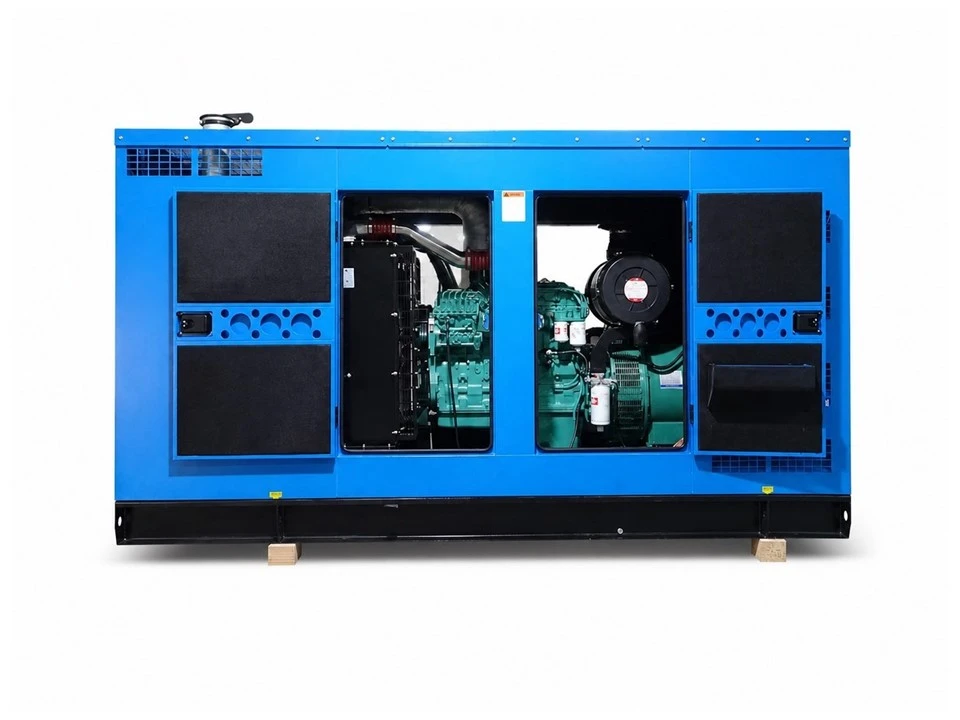
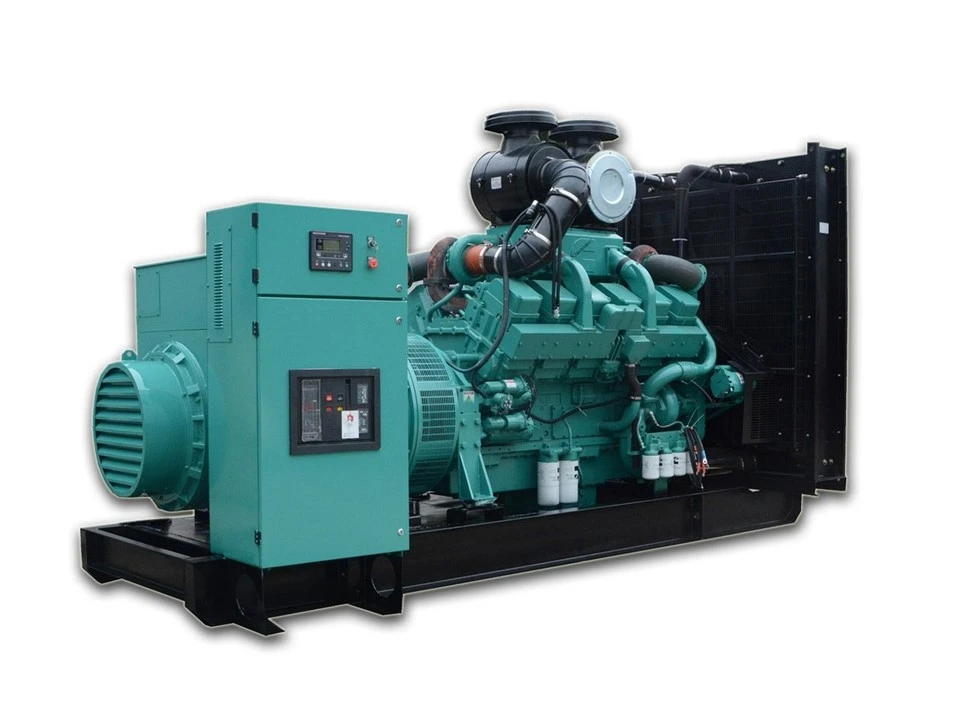
Another big question I get: what about total silent models? Wait, is there even such a thing as a totally silent generator? Well, no, because all engines make a little noise, but the Total Silent Diesel Generator we sell is as close as it gets—it hits 50 dB at 7 meters, which is quieter than a library whisper. We’ve seen this unit used in places like hospitals and data centers, where noise can be a problem for patients or staff, and it’s fully compliant with even the strictest local noise regulations. It’s also fully enclosed, so it’s weatherproof, which is great for outdoor use in all kinds of climates.
Now, let’s talk about how we test our generators to make sure they’re compliant. We don’t just go by the numbers the manufacturers give us—we do independent third-party testing, following the same standards that local noise officials use to set their limits. That way, we can guarantee that when we say a unit is 58 dB, that’s the actual noise level you’ll get at 7 meters, which is the standard distance most cities use for generator noise testing. A lot of brands fudge these numbers, so you have to be careful when shopping for a super silent generator. If a brand doesn’t have independent test reports, that’s a red flag—you can’t trust their noise claims.
I also want to mention permits, because a lot of people forget about that. Even if your generator is quiet enough, most local governments require you to get a permit for a backup generator, especially if you’re using it for commercial purposes or it’s over a certain power rating. The permit process usually involves showing that your generator’s noise level is below the local limit, so having a unit that’s already tested to those levels makes getting a permit way easier. We help our customers with the permit paperwork all the time, because we know how frustrating it can be to deal with local officials—especially if you’re in a rush because of a power outage or emergency.
So, going back to the original question: Are super silent diesel generators compliant with local noise regulations? The answer is yes—if you pick the right unit, use it correctly, and follow local rules. The key is not just buying a “super silent” label, but looking for units that have tested noise levels that match your area’s limits, and making sure you place, use, and maintain it properly.
If you’re in the market for a super silent diesel generator and want to make sure it’s compliant with your local noise regulations, we’re here to help. We have a range of models to fit different power needs and environments, from the compact Generator Silent 8500 for RVs to the heavy-duty Total Silent Diesel Generator for industrial use. We can walk you through the local rules in your area, help you pick the right unit, and even assist with permits. Just reach out to our team to start the conversation.
References:
- Occupational Safety and Health Administration (OSHA): Noise Control in the Workplace
- National Park Service: Backcountry Camping Noise Regulations
- American National Standards Institute (ANSI): Standard for Noise Emission Measurement of Portable Generators
- Local Government Noise Ordinance Database (various U.S. cities and counties)
- RV Industry Association: Noise Requirements for Campgrounds and RV Parks