

What is the role of the control module in a Super Silent Diesel Generator?
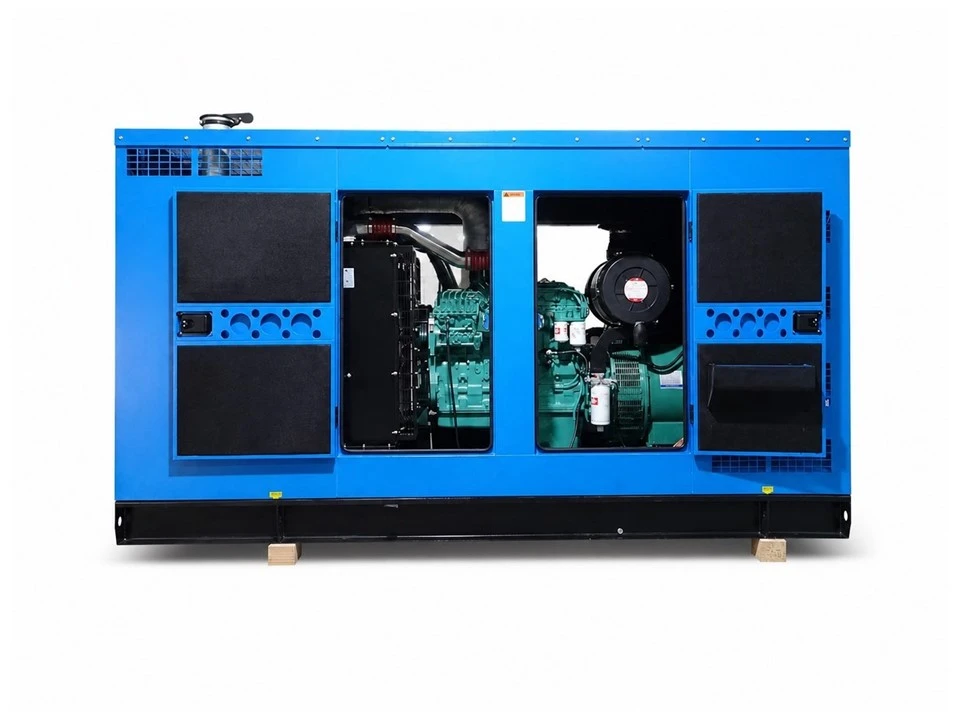
If you’ve ever stood next to a regular diesel generator, you know how loud they can be—like a jackhammer mixed with a lawnmower running nonstop, right? That noise is a big turn-off, whether you’re using it for a construction site, a motorhome road trip, or keeping your home powered during a blackout. Super silent diesel generators changed that, but what makes them actually silent enough to run in a campground, a hospital, or even a residential neighborhood? The secret’s not just in the thick soundproofing foam wrapped around the engine. It’s the control module— the brain that keeps everything running smooth, quiet, and efficient. As a supplier who’s spent years talking to customers about these generators, I can tell you the control module is way more than just a fancy switchboard. It’s the part that makes the whole “super silent” thing actually work.
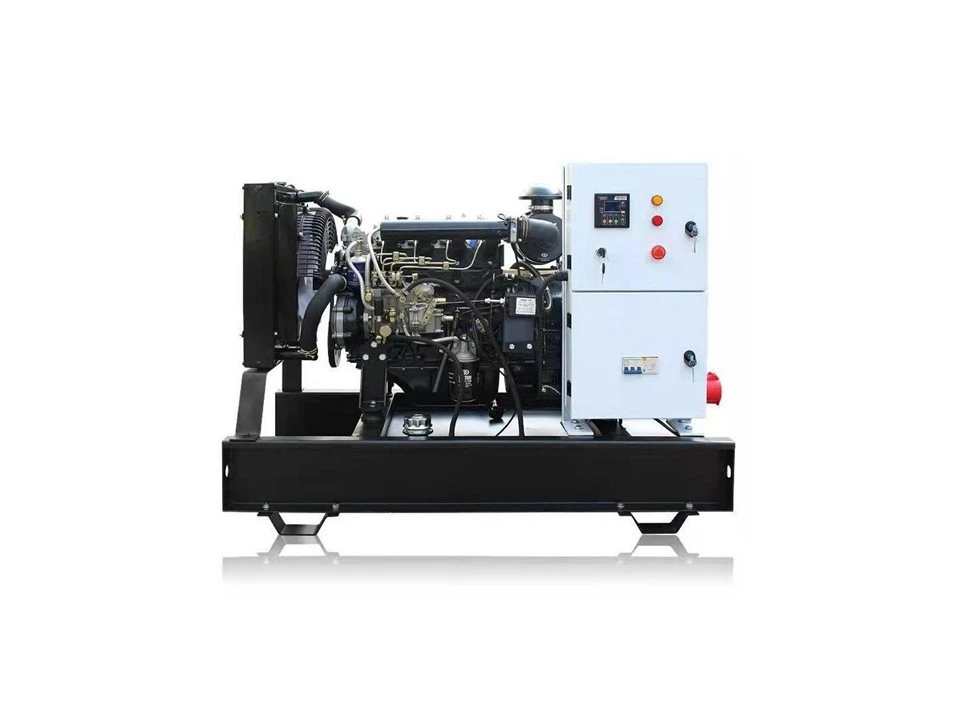
Let’s start with the basics. A standard diesel generator has three main parts: the engine that burns fuel, the alternator that makes electricity, and the control module that ties them together. Most people think the soundproofing is the star, but without the control module, the engine would run wildly—spitting out extra fuel, vibrating too hard, and making way more noise than it needs to. The control module’s first job is regulating engine speed. When a diesel generator is running at full power, it needs a steady, specific RPM (usually around 1500 or 1800 RPM for 50/60 Hz systems) to make consistent electricity. If the RPM drops even a little, the frequency goes off, and your fridge, laptop, or power tools might get damaged. If it spikes, that’s when the engine gets loud and wastes fuel. The control module uses sensors all over the engine to adjust the fuel injection in real time, keeping the RPM dead on. That’s a big reason these generators stay quiet—no unnecessary revving that creates noise and vibration.
I’ve had customers ask me why some super silent generators are quieter than others, even with similar soundproofing. Let’s take the Blackstone Diesel Generator, for example. Its control module is calibrated specifically to cut noise by adjusting fuel delivery based on load. If you only need a little power—say, charging your motorhome batteries while camping—it doesn’t run the engine at full RPM. It dials the speed back to whatever’s needed to meet the current load, which is way quieter than running at max speed for small jobs. No more that constant loud roar when you only need a fraction of the generator’s capacity. That’s all the control module doing its thing.
Another big part of the control module’s role is reducing vibration, which is a huge source of noise. When the engine isn’t running smoothly, it vibrates against the generator’s frame, and that vibration travels through the soundproofing to create a low rumble you can feel as much as hear. The control module monitors engine balance, fuel delivery to each cylinder, and even the generator’s output consistency. If one cylinder is getting too much fuel and throwing things off, the module adjusts it immediately. This keeps the engine running smoothly, cutting down on vibration noise that would otherwise leak out. I’ve seen this firsthand with the Silent Generator For Motorhome, which is designed for people who want quiet power at a campsite or in their RV driveway. Its control module syncs perfectly with the alternator to eliminate tiny fluctuations that cause vibration, so you can barely hear it over the wind through the trees.
But the control module isn’t just about keeping noise low during normal operation. It also handles start-up and shut-down, which are two of the noisiest parts of a generator’s cycle. A standard generator ramps up speed fast when you turn it on, making a loud “whoosh” as it hits operating RPM. Super silent generator control modules program a slow, gentle ramp-up over a few seconds. Same with shut-down—instead of cutting the engine off abruptly, it lets the engine wind down gradually, reducing the clank and rumble that happens when a moving part stops suddenly. That’s a tiny detail that makes a huge difference, especially for people who don’t want to disturb their neighbors or campground crew early in the morning.
Load management is another key function, and it’s why generators like the Powertech Diesel Generator work so well for construction sites or small businesses. A construction site might have tools that turn on and off all day— a saw starts, then a pump, then lights. Each time a big load kicks on, a generator that doesn’t have a smart control module would have to adjust quickly, which can cause a sudden surge in fuel use, RPM, and noise. The control module senses when a load is about to come on (or even predicts it in some advanced models) and adjusts the engine speed and fuel flow smoothly, so there’s no spike in noise. This keeps the generator’s volume consistent, around 60-65 decibels—about as loud as a normal conversation—even when you’re running heavy power tools.
Safety is also baked into the control module, which indirectly helps keep noise low too. If a generator is low on oil, overheating, or has a fuel issue, a standard model might keep running, causing more damage and even louder noise. The control module detects these problems immediately and shuts the generator down gently, no sudden stops that make a racket. It also has overload protection—if you plug in too many things at once, it won’t strain the engine to the point where it’s making a clattering noise or burning extra fuel. That’s one less source of noise from avoidable problems.
Now, let’s talk about what happens if the control module fails. I’ve had a few customers come to us with generators that used to be super quiet, now making a loud knocking or roaring noise. 9 times out of 10, it’s a bad control module not regulating fuel or RPM. The engine starts running erratically, wasting fuel, vibrating, and making way more noise than it should. So that small, plastic-looking box on the generator? It’s actually the most important part for keeping that “super silent” promise.
Not all super silent generators are the same, and the control module’s design changes based on what the generator is used for. The Total Silent Diesel Generator, for example, is built for places where noise is strictly regulated—like near hospitals, schools, or residential areas. Its control module has extra sensors to monitor every tiny variable, from air intake temperature to exhaust back pressure, to adjust the engine for absolute minimum noise. On the flip side, the Mini Silent Generator For Home is smaller, designed for backup power during storms, and its control module is simplified but still does the core job: start-up smoothly, run at consistent RPM, shut down without noise, and only use as much fuel as needed. That’s why it’s perfect for a home garage or backyard, where you don’t want a loud generator ruining your peace during a power outage.
Another thing I want to mention is fuel efficiency, which ties directly to how quiet a generator is. When a control module is working right, it delivers exactly the right amount of fuel for the current load. That means less unburnt fuel, which not only reduces emissions but also cuts down on the extra noise that comes from fuel being burned inefficiently. A generator with a bad control module will use way more fuel, and that extra combustion creates more noise. So the control module is a two-for-one: it keeps things quiet and saves you money on fuel, too.
I’ve talked to a lot of people who think “super silent” is just a marketing term, but from what I’ve seen with our generators, it’s very real—when the control module is done right. Soundproofing panels help, but they’re useless if the engine itself is running rough. The control module is the part that makes sure the engine runs at its quietest, most efficient level, all while providing consistent, safe electricity. It’s like the conductor of an orchestra, making sure every part works together so no one is making a loud, off-key noise.
At the end of the day, if you’re in the market for a super silent diesel generator, don’t just look at the thickness of the soundproofing or the size of the unit. Ask about the control module. That’s where the real magic happens, and that’s what will keep your generator quiet for years to come. Whether you need power for a motorhome trip, backup for your home, or something for a job site that needs to stay quiet around neighbors, a good control module is non-negotiable.
If you’re looking to upgrade or buy a super silent generator that works as promised, we’ve got options tailored to your needs. Whether it’s the Blackstone Diesel Generator for reliable, low-noise power, the Silent Generator For Motorhome for your next camping adventure, the Powertech Diesel Generator for job sites, the Total Silent Diesel Generator for strict noise-regulated areas, or the Mini Silent Generator For Home for backup power, we can help you pick the right one. Reach out to us to chat about what you need, and we’ll walk you through all the details, including how the control module makes each generator super silent.
References
- Diesel Generator Control Module Fundamentals. Power Engineering International, 2022.
- Noise Reduction in Standby Power Systems. Sound and Vibration Magazine, 2021.
- Load-Based Speed Control for Diesel Generators. SAE International, 2020.
- Low-Noise Generator Design for Commercial and Residential Applications. IEEE Transactions on Industrial Electronics, 2019.
- Maintenance Best Practices for Diesel Generator Control Modules. National Electrical Manufacturers Association, 2023.