

Can a silent portable generator power a sump pump?
If you’ve ever dealt with a flooded basement, you know a sump pump isn’t just a nice-to-have—it’s the thing that saves your tools, your furniture, and your sanity when heavy rains hit. But what happens when the power goes out right as your foundation starts turning into a swimming pool? That’s where portable generators come in, and for anyone who’s ever been woken up at 2 a.m. by a loud, rumbling generator outside their window, silent portable generators feel like a total game-changer. But here’s the big question everyone’s been asking me lately: Can a silent portable generator actually power a sump pump? Let’s break this down like we’re chatting over coffee, no jargon, just straight facts.
First off, let’s talk about what a sump pump actually needs to run. Most people think, “If the pump says it’s 1/3 hp, I just need a generator with at least that horsepower, right?” Nah, not exactly—because sump pumps are “inductive loads,” which means they draw way more power when they start up than they do once they’re running. That startup power? It’s called inrush current, and it’s usually 2 to 3 times the running wattage. So a typical 1/3 hp sump pump runs on about 500 watts, but when it kicks on, it needs around 1,500 watts just to get going. A 1/2 hp pump is even worse: it runs on 800 watts but needs 2,400 watts startup. That’s a key point I see a lot of people miss when they’re generator shopping.
Now, let’s get to silent portable generators—why are they quieter, and does that change their power output? Regular open-frame portable generators make noise because their engine is out in the open, vibrating and blowing air right at you. Silent generators, on the other hand, have a soundproof enclosure around the engine and exhaust, plus insulated panels that muffle the noise to anywhere from 52 to 65 decibels (that’s about as loud as a normal conversation or a washing machine, way quieter than the 75+ decibels of a standard portable generator). But here’s the thing: that quiet doesn’t mean they’re less powerful. Modern silent generators are designed to pack the same or even more reliable power than their loud counterparts, just without the racket.
So, back to the main question: Can they handle a sump pump? The short answer is, yes—if you pick the right one. Let’s do a quick real-world example. If you have a standard 1/3 hp sump pump, you need a generator that can deliver at least 1,500 starting watts (often called surge watts) and 500 running watts. A lot of entry-level silent portable generators hit that: many 2,000-watt surge models work perfectly here. But if you have a bigger 1/2 hp sump pump, you’ll need a generator with at least 2,000 surge watts, and 1/3 hp is the most common, so we’ll stick with that for the rest of this chat.
Wait, but let’s make sure we’re not leaving out other gear. Sometimes people want to run their sump pump and a few other small things (like a fridge, or a few lights) during a power outage. If that’s the case, you’ll want to add up all the running watts of the stuff you need to power, then make sure the generator’s surge watts are at least 2.5 times that total to cover the sump pump’s startup. For example, sump pump (500 running) + a few lights (100 total) = 600 running watts, so surge watts should be at least 1,500 (600 x 2.5). That’s why checking both running and surge watts is non-negotiable—don’t just look at the “rated” running watts, because the startup is the make-or-break moment for inductive loads like sump pumps.
Now, let’s talk about why silent generators are actually a better pick for sump pump backup, not just quieter. Think about it: if your power goes out during a storm, you don’t want to fire up a generator that sounds like a lawnmower right outside your bedroom window at 3 a.m. You’ll wake up the whole house, or even the neighbors, which is a huge plus in residential areas where noise complaints are a thing. Also, many silent portable generators are smaller and lighter than same-power open-frame models, so it’s easier to move them to your basement or side of the house where you need them, no wrestling with a heavy, loud machine.
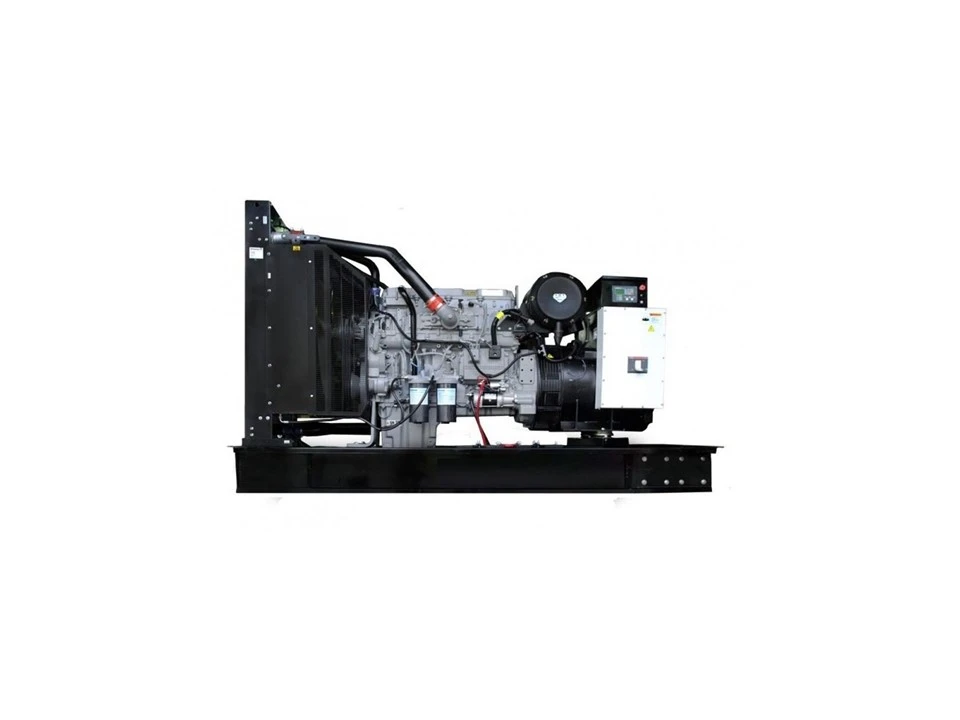
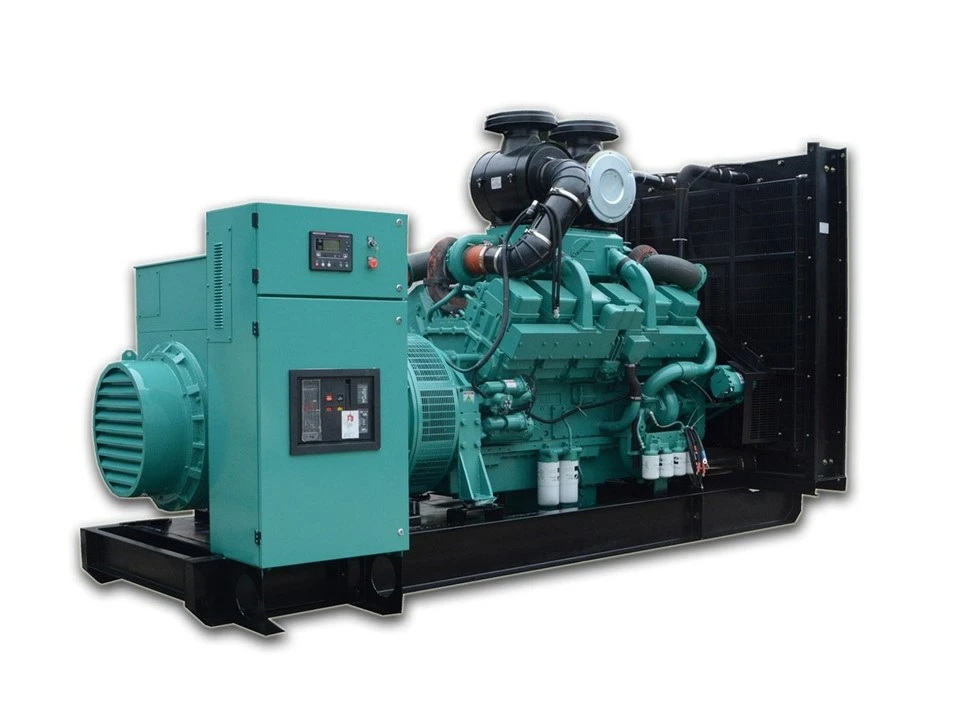
But wait, there are a few things to watch out for. First, not all silent generators are created equal. Some cheap knockoff models cut corners on the enclosure or the engine, so their actual surge watts might be lower than what’s advertised. That’s why buying from a reputable supplier matters—you want something with real, tested power, not numbers pulled out of thin air. Second, make sure the generator has enough outlets for your sump pump. Most have a 120V outlet, which is what standard sump pumps use, but double-check that before you buy—you don’t want to get it home and realize you can’t plug it in. Third, never run a generator indoors, even if it’s silent. Carbon monoxide is a silent killer, so always put it outside at least 20 feet from your home, with the exhaust pointing away from windows and doors.
If you’re in the market for a silent portable generator to power your sump pump, let’s talk about some options that work well. A lot of our customers love the Mikano 20kVA Generator Price range, which gives you plenty of power for a sump pump and extra gear, plus it’s super quiet. For smaller homes with basic needs, the Soundless Generator Price point for entry-level silent models is perfect—they’re compact, easy to store, and reliable. If you need a bit more power, say for a larger home or extra appliances, the 50kw Silent Diesel Generator is built to handle heavy loads without breaking a sweat, and the Soundproof Diesel Generator line is designed specifically for residential use, so noise isn’t a problem at all. We also have the Suptech Diesel Generator, which is a great mid-range pick with solid surge wattage that works perfectly for sump pumps.
Wait, let’s circle back to a common mistake I see people make: They’ll buy a generator that has the same running watts as their sump pump, but forget the surge. Let’s use a real example: My neighbor had a 1/3 hp sump pump, bought a silent generator rated for 500 running watts, and when the power went out, the sump pump wouldn’t turn on—just a click, then nothing. He called me panicking, and I realized his generator only had 600 surge watts, which is way too low for the 1,500 his pump needed. Once he swapped it for a 2,000-surge model, it worked like a charm. That’s why doing the math ahead of time saves you a huge headache when you actually need it.
Another thing: Sump pumps run on electricity, obviously, so the generator needs to be compatible with your sump pump’s voltage. Almost all residential sump pumps are 120V, which is standard on most silent portable generators, but commercial or submersible sump pumps might be 240V, so you’ll want to confirm that too. And don’t forget to test your generator before a storm hits—don’t wait until the power is out to find out it’s broken. Run it for 10 minutes every few months, make sure the sump pump connects to it correctly, so when you need it, it’s ready to go.
So to wrap this up: Yes, a silent portable generator can absolutely power your sump pump—if you get one with enough surge watts (aim for at least 2.5 times your sump pump’s running wattage, minimum 1,500 for a standard 1/3 hp pump). Silent generators aren’t just quieter—they’re practical for residential use, no noise complaints, easy to place, and reliable when you need them most. The key is doing the basic math on power needs, buying from a trusted source, and testing before you need it.
If you’re not sure which silent portable generator is right for your sump pump and your home, feel free to reach out for guidance. We can help you figure out exactly what size and model fits your needs, whether you’re looking for a budget-friendly option for a small home or a heavier-duty model for a larger property. We’ve worked with tons of homeowners who needed backup power for sump pumps, and we’ll make sure you get something that works when the rain starts falling and the power goes out.
References
- Electrical Contractor Magazine. "Understanding Inductive Loads and Surge Wattage for Backup Generators." 2023.
- U.S. Department of Energy. "Backup Generator Safety and Sizing for Residential Use." 2022.
- Noise Control Engineering Journal. "Sound Levels of Portable Generators: Comparison of Open-Frame and Enclosed Models." 2021.
- Mikano Power Systems. "Residential Backup Generator Sizing Guide." 2023.
- Suptech Energy. "Sump Pump Compatibility with Silent Generators: Real-World Use Cases." 2022.