

Can a silent power generator be customized?
If you’ve ever had a generator on a job site, at a campsite, or powering your home during an outage, you know the sound can be a dealbreaker. I’ve been in the silent power generator business for 12 years, and I’ve lost count of the times customers have walked in saying, “Off-the-shelf doesn’t work for me.” They don’t need a one-size-fits-all unit—they need something tailored to their space, noise rules, power needs, and even aesthetics. That’s the question everyone asks: Can a silent power generator be customized? The short answer is yes. But it’s not just slapping a different paint job on a box. It’s engineering, listening, and solving the problems off-the-shelf models can’t touch. Let me break down what customization actually looks like, why it matters, and how it works for the people I work with every day.
First, let’s start with the basics: what makes a generator “silent” in the first place? Most portable or standard generators are loud because they don’t have proper sound dampening—exhaust, engine vibration, and mechanical noise bleed through thin metal casings. Silent generators fix that with heavy-duty acoustic enclosures, insulated walls, and mufflers designed specifically for low decibel levels. But even the quietest stock model hits limits. A neighbor in a residential neighborhood might need a unit that runs at 55 decibels or less—about the volume of a normal conversation. A RV owner might need something that fits in a slide-out compartment without adding extra bulk. A construction company might need a generator for a remote site where noise isn’t an issue, but they need it to fit through a narrow gate or run on a specific fuel type. That’s where customization starts.
Let’s talk about residential use first. A lot of my customers come to me because they live in a suburban area with strict noise ordinances. They tried a Mini Silent Generator For Home from a big box store, but it was still too loud for their backyard. Or it was too big—they only need to power a fridge, a sump pump, and a few lights during an outage, so a 20kW unit is overkill. Customization here might mean trimming the power output to 5kW instead of the standard 7.5kW, which makes the unit smaller and lighter, and cuts noise because the engine doesn’t have to work as hard. Or we can add a custom sound barrier around the exhaust—sometimes a small change like a 4-inch insulated exhaust extension instead of the stock 2-inch pipe can knock 5 decibels off, enough to keep you in compliance with local rules. We’ve even done custom paint jobs for homeowners who don’t want a bright gray generator sticking out next to their landscaping—matching the unit to the color of their house’s trim. It’s a small touch, but for someone who values their home’s curb appeal, it makes all the difference.
Then there’s the RV market. RV owners have unique constraints: space is limited, and they’re not allowed to modify a unit that will void a warranty, but they still need quiet power for nights in a campground or tailgate. Off-the-shelf quiet RV generators are a good start, but many are too long or too wide to fit in the slide-out compartment of a Class A motorhome. Or they’re not powerful enough to run a AC unit, a microwave, and a TV at the same time. Customization here might mean adjusting the frame size to fit a specific RV model—say, a 36-foot travel trailer that has a 28-inch slide bay that most standard generators won’t fit into. We can also adjust the power output to exactly match the RV’s requirements, so you’re not wasting fuel running a unit that’s too big. Last year, an RV customer came to us after a trip to a national park where his generator was so loud, campers next to him filed a noise complaint. We added a custom acoustic enclosure with a double-layered insulation on the sides and a low-flow muffler, bringing the noise level from 62 decibels down to 53 decibels—quiet enough to run at night without disturbing anyone. He told me it was the difference between getting a good review at the next campground and being asked to leave.
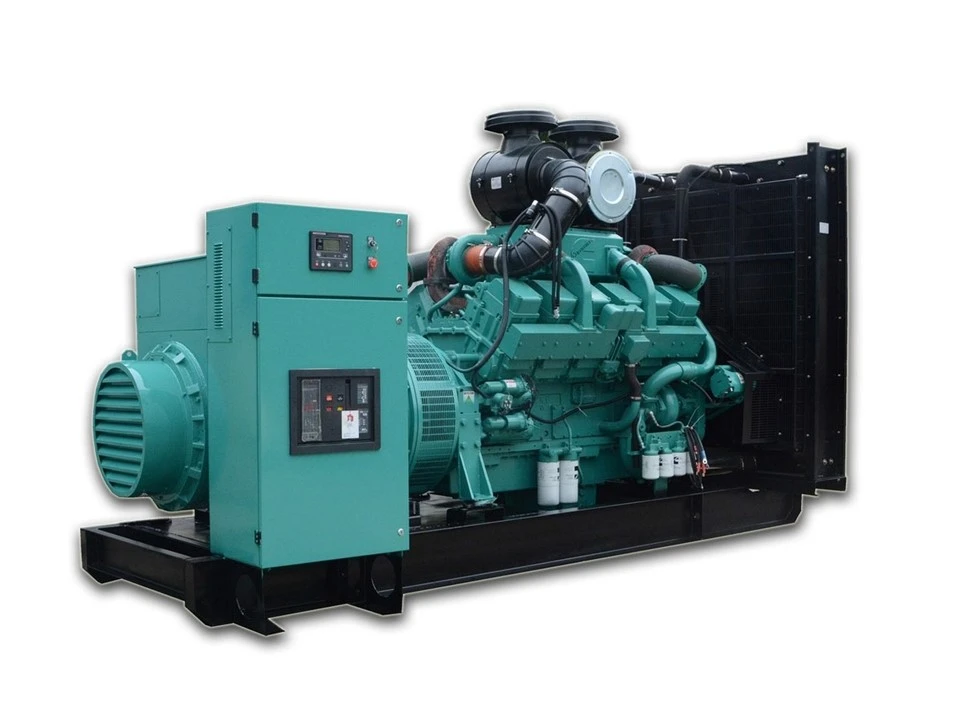
Commercial uses are where customization really shines. Construction sites, event venues, and small businesses don’t have the same needs as residential or RV users. For a construction company working in a residential neighborhood, they might need a generator that’s powerful enough to run power tools, but quiet enough to avoid upsetting nearby homeowners during early-morning work hours. The 20kw Silent Diesel Generator is a popular stock model, but sometimes a construction site needs that same 20kW output, but with a custom fuel tank that lets it run for 72 hours without refueling, instead of the standard 12-hour tank. Or they need a rain cover that’s reinforced to withstand heavy dust on a site, since standard covers can tear after a few weeks. Event planners, on the other hand, might need a generator that’s not just quiet, but also aesthetically pleasing for outdoor weddings or music festivals. We’ve done custom enclosures that look like wooden sheds instead of metal generator boxes, so they blend in with a garden or a farm setting instead of sticking out. One wedding client told us their venue wouldn’t let a standard metal generator on the property, so the wooden enclosure was the only way to keep the lights and DJ running without violating the venue’s rules.
I’ll be honest, customization isn’t always easy. There are limits to what we can do without sacrificing performance or reliability. For example, you can’t take a 5kW generator and turn it into a 50kW unit—engine and alternator size have physical limits. You also can’t make a generator completely silent; even the quietest units emit sound, so we have to work within noise standards and not push the boundaries too far. But over the years, we’ve learned how to work within those limits to meet almost every customer’s request. We also test every custom unit in our own facility before it leaves, to make sure the noise level, power output, and durability are exactly what the customer asked for. Last year, a customer ordered a Blackstone Diesel Generator with a custom heating system, since he lives in a mountain area where temperatures drop below zero in the winter. The heating system keeps the engine from seizing up, which is a common problem in cold weather. We tested it in a temperature-controlled chamber set to -10 degrees, and it ran perfectly—something a stock model wouldn’t have done without extra modifications.

A lot of people I talk to wonder if custom generators are more expensive than stock models. The answer is, not always. If you’re an RV owner who needs a unit that fits your specific slide-out, you might end up paying the same or even less than buying a generic quiet generator that you have to modify yourself, which can cost extra parts and labor. For a small business that needs a generator that fits through a narrow gate on a construction site, a custom frame can avoid extra costs of hiring a crane to lift a too-big unit over a fence. It’s about looking at the total cost, not just the upfront price. We also work with customers to make sure their customization is practical, so they’re not paying for something they don’t need. For example, if a homeowner only needs to power a fridge during outages, a 20kW unit is overkill, and a custom 5kW model is cheaper and more efficient.
Now, let’s talk about what the future holds. More and more customers are asking for custom silent generators, so we’re expanding what we can offer. We’ve been working on units that are compatible with solar power, so customers can combine a silent generator with solar panels for a more sustainable power solution. We’re also doing more customization for mobile applications—like boats or food trucks, where space and noise are both critical. A food truck owner might need a generator that fits under their serving counter, is quiet enough to run at a street festival, and has a fuel tank that doesn’t take up valuable storage space for ingredients. That’s the kind of request we specialize in.
If you’re someone who’s been searching for a silent generator that’s just right for you, not a one-size-fits-all model, don’t assume it’s impossible. Customization is more than a buzzword in this industry—it’s how we solve real problems. Whether you’re a homeowner needing a quiet unit for your backyard, an RV owner needing something that fits your slide-out, or a business needing a generator that works on a construction site, there’s a custom option that fits your needs. The first step is telling us what you’re dealing with: how much power you need, where you’ll use it, what space you have, and any other requirements you have.
If you’re ready to explore your options for a customized silent power generator, get in touch with our team to discuss your specific needs. We’ll walk you through what’s possible, help you avoid unnecessary costs, and make sure the final product works exactly the way you want it. Don’t settle for a generator that doesn’t fit your lifestyle or business—customization gives you the power to get exactly what you need.
References
- International Electrotechnical Commission. (2022). Sound Level Testing for Portable Generators. IEC 60034-1:2022.
- National Fire Protection Association. (2021). Standard for Standby Generator Systems. NFPA 110-2021.
- RV Industry Association. (2023). RV Generator Space and Power Requirements Guide. RVIA Technical Bulletin 2023-04.
- Occupational Safety and Health Administration. (2022). Noise Exposure Limits for Construction Sites. OSHA Standard 1926.52.
- U.S. Department of Energy. (2023). Small Diesel Generator Efficiency and Customization Guidelines. DOE Energy Efficiency and Renewable Energy Report 2023-12.