

Is an 8kw diesel generator suitable for camping?
If you’ve ever gone car camping or set up a base camp for a weekend of hiking, you’ve probably run into that familiar problem: you want to run a space heater to keep the chill off, power a portable fridge to keep your burgers fresh, charge a bunch of phones and cameras for photos, maybe even fire up a small electric grill for dinner. All those toys drain power fast, and a regular gas generator might be too loud, too thirsty, or not strong enough for everything you need. That’s where an 8kw diesel generator comes in, and if you’re shopping for one as a camping gear person, you might be wondering: is it actually a good fit for the woods, or is it overkill? As someone who’s been selling diesel generators for years, I’ve heard this question a ton from campers, van lifers, and outdoor folks, so let’s break it down straight—no corporate jargon, just real talk about what works for camping.
First, let’s get one thing clear: 8kw isn’t the tiniest generator out there. Most portable generators for camping land around 2kw to 6kw, so 8kw is a step up. But that size matters because camping power needs aren’t just “phone charging” anymore. Think about it: a standard electric space heater uses 1500 watts, a 12-volt fridge (the kind that runs on AC, not your van’s battery) pulls 1000-1500 watts, a portable electric grill hits around 1800 watts, and if you’re running multiple devices at once—say, a heater plus a fridge plus two phones plus a laptop plus a water pump for your camp sink—you’ll easily need 5000 watts just to start, plus extra for startup surges. Gas generators often struggle here because they don’t have the consistent power to handle startup spikes, especially for bigger appliances. Diesels, though, are built for steady, strong power, and 8kw gives you enough headroom to run almost all the common camping gear you might want.
But wait—diesel generators have a reputation for being bulky, noisy, and stinky, right? That’s true for old industrial units, but modern portable diesels are way different. Let’s talk about noise first, because nothing kills a camp vibe faster than a generator that sounds like a lawnmower taking off. A lot of people assume diesels are louder than gas, but 8kw portable models these days have sound-dampening technology that cuts noise down to around 65-70 decibels. For comparison, that’s about as loud as a normal conversation, not a jackhammer. If you pick a good model, like the Turner Morris 8kVA Diesel Generator, it’s quiet enough that your neighbors at a campground won’t complain, and you can run it without ruining the peace. That’s a big win for camping, where social rules and quiet hours matter more than they do at a construction site.
Next up: fuel efficiency. Diesel engines are way thriftier than gas ones, especially when you’re running a load for long stretches. A typical 8kw diesel generator will burn about 1.5-2 gallons of fuel per hour at half load, and even at full load, it’s only around 2.5 gallons an hour. A gas generator the same size would burn twice that, easy. For a camping trip, that means you don’t have to haul a ton of fuel canisters, which saves space in your car or van, and you can run the generator for 8-12 hours on a single tank, depending on load. That’s perfect for a weekend trip—start it in the morning to power your fridge and heater, run it for a few hours to charge your gear, and you don’t have to refuel mid-trip. I’ve had customers tell me they used their 8kw diesel for a 10-day backcountry camp, only refueling twice, which is way less hassle than hauling extra gas.
Now, let’s get into the downsides, because no generator is perfect. The biggest one is weight and size. An 8kw diesel generator isn’t something you can easily carry by hand—most weigh 200-300 pounds, and they’re about the size of a large laundry machine. If you’re backpacking or car camping in a spot with a long walk from the parking lot, that’s a problem. You’ll need a big vehicle with a roof rack or a trailer, and you’ll have to set it up near a flat, stable surface. If you’re a solo van lifer with a small cargo van, an 8kw might be too big to fit comfortably in the back, so you’ll want to measure your space before buying.
Another downside is cold starts. Diesel engines don’t like super cold weather, which is a big deal if you’re camping in winter. If you’re heading out when temps drop below 32°F, you’ll need a diesel with a block heater or glow plugs to make starting easier. Some cheaper models skip this, so it’s worth checking before you buy. Also, diesel is less common than gas in some small towns or remote areas. If you’re camping way off the grid, you might have to plan your fuel stops ahead of time, instead of just grabbing gas at the next station. That’s a minor hassle, but it’s something to keep in mind.
Now, when would an 8kw diesel generator be worth it for camping? Let’s list the scenarios: if you’re a family car camper who wants to run multiple appliances at once—like a space heater, a fridge, an electric grill, and a TV for movie nights—this size is perfect. If you’re winter camping, the consistent power and fuel efficiency mean you don’t have to worry about your battery dying overnight or your heater cutting out. If you’re a group of friends camping for a week, you can power all the group gear without hooking up to a campground’s electric hookups, which means you can camp in more remote, private spots instead of crowded, hookup-only grounds. Even van lifers who travel with multiple appliances (think a washing machine, a power tool for fixing things on the road, or a window AC unit in summer) find that 8kw is the sweet spot between power and practicality.
If you’re still on the fence, let’s compare it to smaller options. A lot of people go for a 4kw or 6kw diesel generator, which is cheaper and smaller. But those often max out when you run two big appliances at once. If you’re planning to upgrade your gear later, or if you don’t want to feel limited, 8kw gives you room to grow. For example, if you buy a smaller unit now and then decide you want to add a hot water heater or a electric bike charger, you’ll have to upgrade sooner than you would with an 8kw. That’s why a lot of regular campers end up going up to 8kw instead of settling for less.
Wait, but what about portable gas vs. diesel? Let’s be real—gas generators are cheaper upfront, but over time, diesel saves you money on fuel and maintenance. Diesel engines last 2-3 times longer than gas engines, because diesel is a heavier, more robust fuel, and the engine design is sturdier. A well-maintained 8kw diesel generator can last 10,000-15,000 hours, whereas a gas generator of the same size might only last 3,000-5,000 hours. If you’re someone who camps every month or so, that’s 10 years of use out of a diesel, which works out to way less per trip than a gas generator that you’ll have to replace every 2-3 years. That’s a big selling point for me, because I want my customers to get the most out of their gear, not have to replace it every other camping season.
Let me also mention a few options you might check out if you’re in the market. If you want a compact but still powerful diesel, the Sumec Generator 3000 is a mid-sized unit that’s easy to transport and has enough power for most camping needs. If you’re looking for something even smaller, the Small Diesel Generator Set line is great for solo campers or people who don’t need a ton of power. For winter use, the Air Cooled Diesel Generator Price is competitive, and these models handle cold weather better than liquid-cooled ones, which is perfect for fall and winter trips. And if you’re set on 8kw, the Turner Morris 8kVA Diesel Generator is a popular pick because it’s quiet, fuel-efficient, and built to handle heavy use in outdoor settings.
Now, let’s talk about campground rules and etiquette, because that’s a big part of using a generator for camping. Most campgrounds have rules about generator use—usually only allowed during certain hours (like 8am to 10pm) and a noise limit. An 8kw diesel that’s 65-70 decibels will fit within most campground noise limits, but you still have to be respectful. Don’t run it at full blast overnight, even if it’s quiet enough for you—some campers are light sleepers, or prefer the quiet of the woods. Also, always set your generator on a level surface, far from your tent or any flammable materials, and make sure you have carbon monoxide detectors nearby. Diesels don’t emit as much CO as gas generators, but it’s still a risk, especially if you’re running it in an enclosed space.
So, putting it all together: is an 8kw diesel generator suitable for camping? The short answer is yes—if your camping style involves multiple appliances, long trips, winter use, or remote camping. It’s not the best pick if you’re a backpacker who wants to travel light, or a casual car camper who only uses a phone and a small cooler. But for most regular campers, van lifers, and group trips, it’s worth the investment. The power, fuel efficiency, and durability make it a way better option than smaller generators, and modern models are quieter and more portable than old industrial diesels.
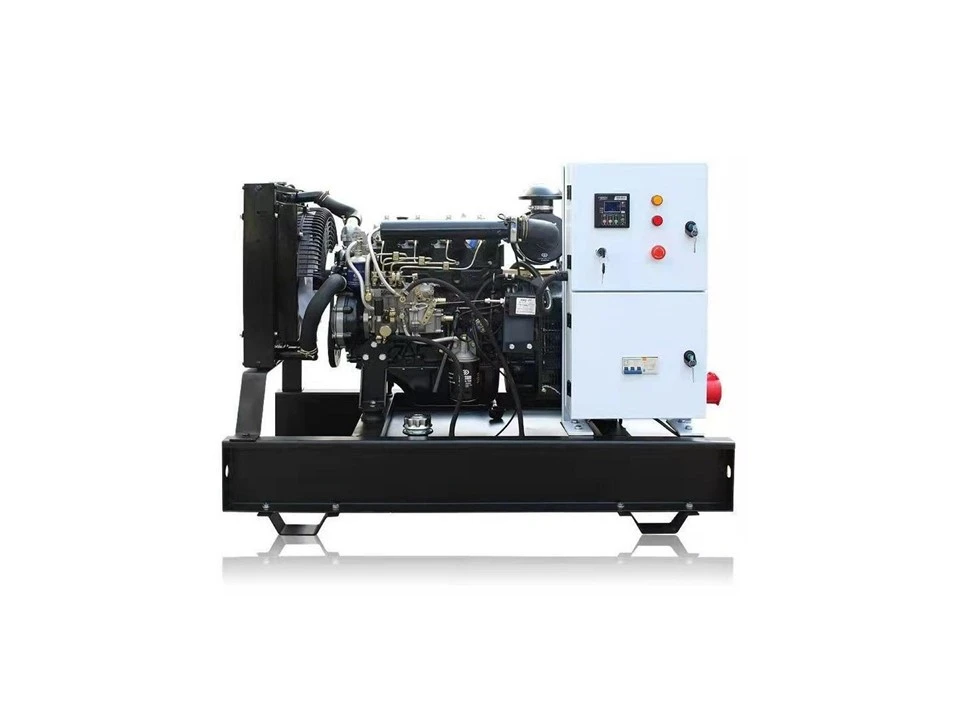

If you’re ready to look at options, I’d encourage you to check out the links I mentioned: the Sumec Generator 3000 for mid-sized use, the Small Diesel Generator Set for compact needs, the 6kVA Diesel Generator Price if you want a smaller backup, the Air Cooled Diesel Generator Price for cold weather use, and the Turner Morris 8kVA Diesel Generator for the exact 8kw setup a lot of campers love.
If you have more questions about sizing, fuel efficiency, or what model works best for your camping trips, feel free to reach out to our team for a consultation. We can help you figure out exactly what you need, no pressure, just straight answers about which generator fits your style.
References
- Outdoor Industry Association. (2023). "Camping Gear Power Needs: A Guide for Campers."
- Diesel Technology Forum. (2022). "Diesel Generator Efficiency and Durability for Recreational Use."
- National Park Service. (2021). "Campground Generator Etiquette and Safety Guidelines."
- Portable Power Association. (2023). "Noise Levels of Modern Portable Generators for Outdoor Use."