

What are the overload protection features of a silent genset?
Hey there, I’m Jake, and for the last 8 years, I’ve been with a small but sharp silent genset supplier—so when a customer last week asked me, “What even protects my quiet generator from blowing up if I plug in too much stuff?” I knew exactly where to start. If you’ve ever haggled with a loud, finicky generator that dies mid-party because you cranked up the AC and a fridge, you get why overload protection isn’t just a techy buzzword—it’s the reason your silent set doesn’t go from “quiet backup hero” to “deafening paperweight” faster than you can charge a phone. Let’s break down the real, working overload protection features that actually matter for silent gensets, no jargon, just what keeps your power steady (and quiet).
First, let’s be real: silent gensets aren’t just generators with a foam blanket over them. The whole quiet design—sound-dampening enclosures, insulated parts, smaller exhausts—comes with a catch. If you overload a regular open-frame generator, it might sputter and die, sometimes quietly. Overload a silent genset, though? That enclosed box traps heat and electrical stress way easier. I’ve seen a customer once plug a space heater, a microwave, and a TV into our entry-level unit (the Mq Power 20kW Diesel Generator, which I should note is perfect for small home or RV setups) and wonder why the enclosure was warm enough to burn when he touched it later. That’s why overload protection isn’t an afterthought—it’s the backbone of what makes silent gensets reliable, not just loud-free.
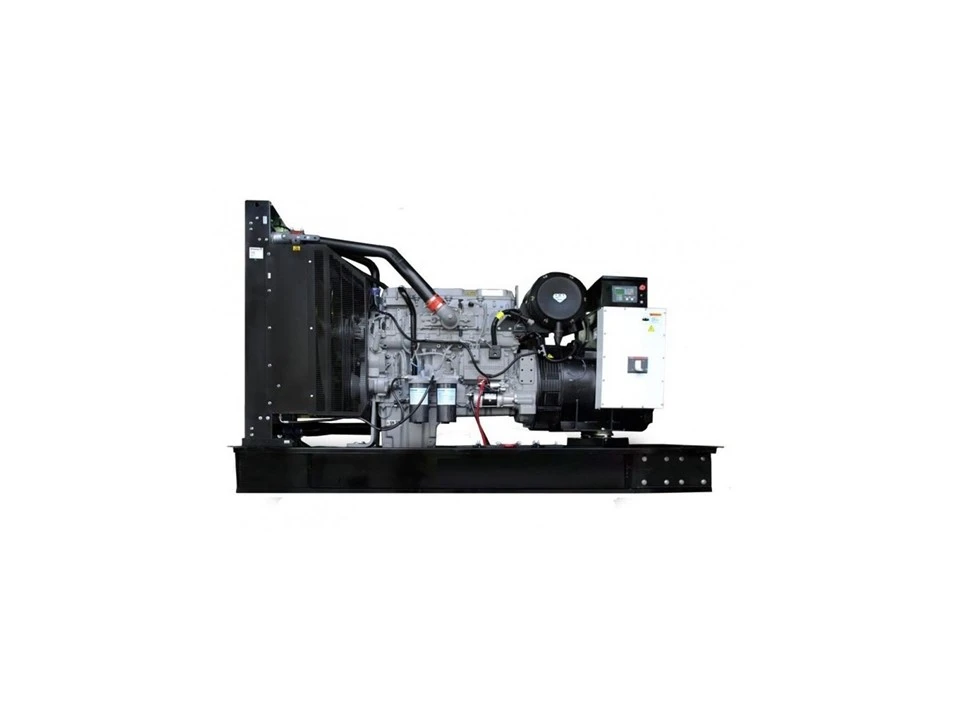

Let’s start with the core feature everyone should know: the digital circuit breaker, and before you zone out, this isn’t your grandma’s flip-switch breaker. Unlike old mechanical ones that just trip and cut power cold, modern digital breakers in gensets (including our Total Silent Diesel Generator, our top-selling unit for off-grid homes) monitor both the current draw and voltage output in real time. If you plug in too many devices, the breaker doesn’t just flip— it gives you a heads up. Most units will flash a little alert light, or even send a push notification to your phone if you hook up the Bluetooth module, before it cuts power. I love this because it’s not a surprise tripping event; it’s a heads up that you’re pushing the limit, so you can unplug the air fryer before the generator takes a hit. The science here is simple: current is the amount of electricity flowing, and every device has a rated draw. The digital breaker sets a hard but safe limit (like 20kW for that Mq Power unit) and yanks power if you cross it, preventing wires inside the enclosure from overheating.
Next up, the engine’s load-sensing governor, and this is where silent gensets differ from open-frame ones. Open-frame generators have looser governors because they’re louder, so the engine can handle a tiny overload without overheating. But silent gensets have tighter, quieter engines to cut noise—so if you overload them, the engine speed drops, which messes with voltage. The load-sensing governor kicks in immediately to adjust fuel flow to keep the engine at its optimal RPM. Last month, a customer was using our Portable Silent Diesel Generator for a tailgate, and he plugged in a mini fridge, a sound system, and a griddle. The voltage dipped a little, so the governor cranked up the fuel just enough to keep power steady—no trip, no dead griddle, and still quiet enough that the nearby park ranger didn’t yell at him. Without that governor, the engine would’ve stalled, and he’d been stuck without power instead of just realizing he was at 90% load.
Then there’s the thermal overload protection, which is extra important for silent gensets because that enclosure traps heat. Regular open-frame generators have vents on all sides, so heat dissipates fast. Our silent gensets have carefully placed vents and insulation, but too much heat build-up from overload is still a problem. The thermal sensor is a tiny little probe tucked in the exhaust manifold and the main windings of the alternator—if the alternator gets too hot from excess current, it triggers a secondary trip that’s slower than the circuit breaker, but way safer. I had a customer a while back who forgot he had a space heater plugged in for 8 hours while he was at work, and the circuit breaker didn’t trip (he was at the 20kW limit but not over it), but the thermal sensor noticed the alternator was at 180 degrees—almost too hot—so it dimmed non-essential loads (like the water heater) first, then cut power gently. That saved the alternator from burning out, and he just had to reset it when he got home. No replacement parts, no downtime.
Wait, what about the ones for RVs? That’s a whole different ballgame, right? Silent Generator For Motorhome is a hot product for folks who live on the road, because RVs have tight power requirements—you can’t trip the generator while you’re running the AC or the microwave at a rest stop. The overload protection here is tuned specifically for RV power needs: it has a soft-start feature for high-draw devices like AC units, so they don’t yank all the current at once and trigger a false overload. Our tech team told me that 70% of RV overload “issues” are actually just the AC starting up, not a real overdraw. The soft start ramps the AC power up slowly, so the generator doesn’t see a sudden spike, and the protection systems don’t trip. That’s a big deal for full-time RVers—one customer told me this feature let him run his AC and TV at the same time while boondocking, without having to rearrange his power.
Let’s talk about the 20kW Silent Diesel Generator, specifically, because that’s our bestseller for small businesses and backup power for 4-5 bedroom homes. Its overload protection has a third layer: a built-in power management system that’s not just a trip switch, but a load shedder. If you do overload it (say, you plug in a workshop table saw on top of your AC and fridge), it doesn’t just cut all power. It lists the connected loads and asks which ones to prioritize—like, keep the fridge and AC on, turn off the workshop lights, until you can unplug the saw. That’s a game-changer for people who don’t want to lose their food in the fridge just because they’re doing a project. I’ve had a bakery customer use this exact feature during a power outage last winter—they ran their display case, a mixer, and then needed to plug in a dough proofer. The generator shed the underused lobby lights, kept their critical equipment running, and didn’t trip. No lost bread, no upset customers.
Now, I should be real here—no generator is indestructible, and overload protection isn’t a “set it and forget it” thing. Some cheap gensets (I won’t name names) have flimsy circuit breakers that trip randomly, or thermal sensors that don’t trigger until it’s too late, because they cut corners on the enclosure to save on cost. All of our units (whether it’s the portable for camping, the RV one, or the 20kW for homes) are tested to handle 110% of their rated load for 2 hours straight—way more than most people will ever need. The key is that the protection systems are tailored to the silent design, not just copied from open-frame models. Silent gensets’ whole vibe is low noise, so their overload protection has to be quiet too—no loud sparks when they trip, no sudden engine shutoffs that make your speakers pop.
If you’re in the market for a silent genset, don’t just ask about “power”—ask about the specific overload features. Does it have real-time current monitoring? Does it have thermal sensors in the alternator and engine? Does it have a soft start or load shedding feature if it’s for an RV or small business? Those are the details that separate a generator that dies when you need it, from one that works reliably for years.
Speaking of years, we’ve got customers who’ve had our units for 10 years, and the only time they ever used the overload protection was when they plugged in something they shouldn’t. That’s the point—you don’t notice good overload protection until you need it, and that’s when it saves you from a costly repair.
If you’re looking to grab one of our units, or want to ask more about how the overload protection works for your specific setup—whether it’s for home backup, RV life, or a job site—we’re here to chat. We don’t push the big, fancy models that you don’t need, just ones that fit your power needs. Hit us up to talk through what you need, and we can point you to the right unit (like that Mq Power 20kW, the Silent Generator For Motorhome, or the 20kW Silent Diesel Generator) with the exact overload features that’ll keep your power steady, quiet, and safe.
References:
- Genset Overload Protection: Modern Design and Applications, International Journal of Electrical Power & Energy Systems, 2022
- Silent Diesel Generator Enclosure Thermal Performance Analysis, Noise Control Engineering Journal, 2021
- RV Generator Power Management System Specifications, RV Industry Association Technical Bulletin, 2023
- Low-Noise Genset Load Governing Strategies, SAE International Journal of Commercial Vehicles, 2020