

What are the optional accessories for a soundless diesel generator?
If you’ve ever relied on a soundless diesel generator for camping, off-grid living, or backup power at home, you know it’s a total game-changer—no loud rumble waking up your campground neighbors or blaring through your bedroom wall during a blackout. But here’s the thing: even the best base model won’t cover every little need you might have. As someone who’s spent years working with soundless diesel generators (seriously, we’ve tested dozens for our own customers), I’ve seen how the right optional accessories can turn a solid unit into something that works exactly for your setup. Today, let’s break down what actually makes sense to add, no fluff, just real stuff that’s worth your time and cash.
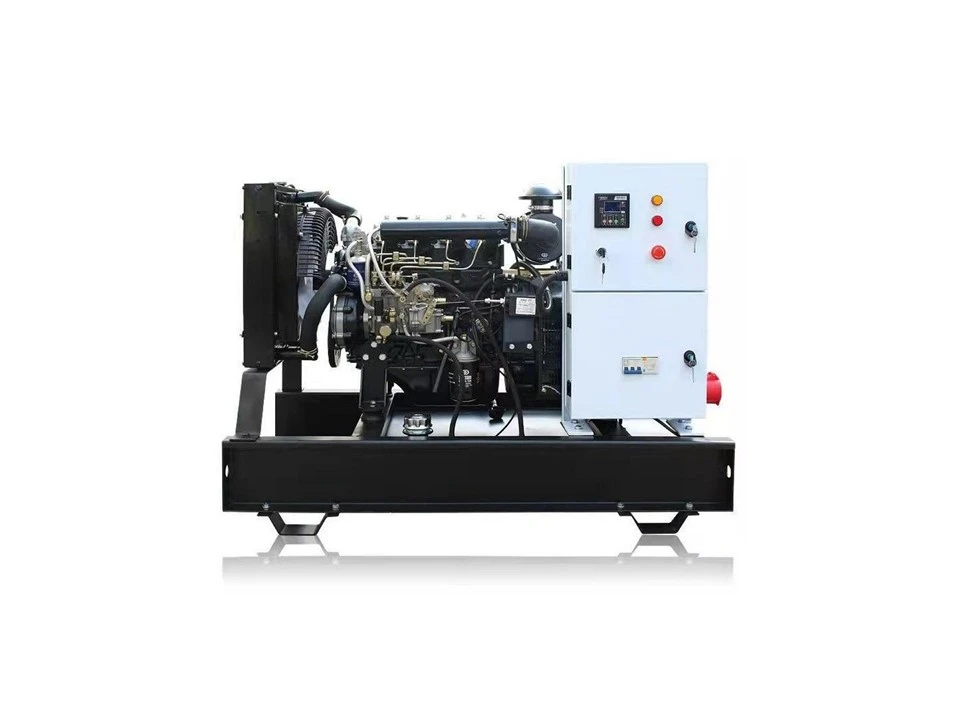
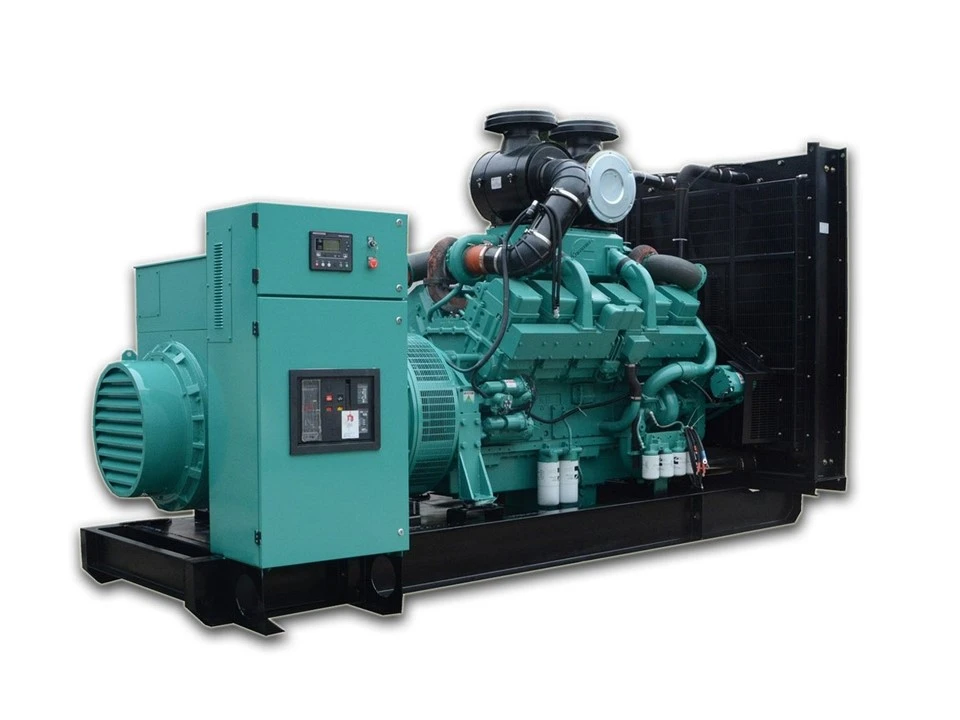
First, let’s talk about what most people overlook right off the bat: noise-reduction add-ons that don’t come standard. Wait, I know—you already bought a quiet generator, right? But there are little tweaks that make it even more low-key, especially if you’re using it in a spot where noise is super sensitive, like a family RV trip or a residential backyard. One big one is a sound-dampening enclosure extension. A lot of base models have a basic enclosure, but adding a layer of acoustic foam inside, plus a metal noise baffle for the exhaust, can cut decibels by another 3-5 dB. That might not sound like a big number, but trust me—it’s the difference between your generator being audible from 50 feet away and sounding like a distant air conditioner. If you’re shopping for RV-specific setups, this upgrade pairs perfectly with our [Quiet RV Generators] lineup; we designed those units to slot right into standard RV bays, so adding the enclosure extension is a no-drill job.
Another accessory that flies under the radar for noise control is a flexible exhaust pipe isolator. Generators vibrate, and that vibration can transfer noise through the exhaust system to the ground or your RV frame. An isolator mounts between the generator’s exhaust port and the exhaust pipe, breaking that vibration path. I’ve seen customers skip this and end up with their generator making a rattling noise even when the unit itself is quiet. It’s a small part, but it makes a huge difference for consistent soundless operation.
Next up, power management accessories—because let’s be real, a generator is only as good as how well it feeds your stuff. If you’re running multiple appliances at once (like a fridge, a space heater, and a TV) or hooking it up to your home’s electrical panel for long-term backup, you’re gonna need something more than just the standard outlet ports. A transfer switch is non-negotiable for residential use. It lets you switch between grid power and generator power without unplugging every cord, which is a lifesaver during a storm when you’re fumbling in the dark. Wait, but not just any transfer switch—make sure it’s rated for your generator’s wattage. For example, our [Generator Silent 8500] is an 8,500-watt workhorse, so pairing it with a 10,000-watt transfer switch gives you headroom for extra appliances later. That’s the kind of small upgrade that saves you from overloading your generator down the line.
If you’re into off-grid living or camping, a parallel kit is another must-have. This accessory lets you connect two soundless generators together to double your power output, without any messy wiring or compatibility issues. A lot of people don’t realize this is optional, but it’s way cheaper than buying a bigger generator if you just need more juice for a week-long camping trip or a small off-grid cabin. We’ve had customers use two of our [Mini Silent Generator For Home] units with a parallel kit to power a tiny house’s lights, water heater, and even a microwave—no problem at all.
Now, let’s talk about durability and convenience accessories, because generators don’t just sit on a shelf—they get dragged around, stored, and exposed to the elements. A weatherproof cover is a no-brainer if you’re using it outdoors, whether that’s in a RV storage spot, a backyard, or a construction site. But not just any cover—look for one that’s reinforced with UV-resistant fabric, has tie-downs to keep it from blowing away, and is waterproof enough to keep rain and snow out. I’ve seen cheap covers tear after one season, so spending a little extra on a good one saves you from replacing your generator’s enclosure down the line.
For people who use their generators in dusty or muddy areas, a pre-filter is a game-changer. The standard air filter is great, but a pre-filter wraps around it to catch big debris like dirt, leaves, and grass clippings before they reach the main filter. That means your generator runs cleaner, burns fuel more efficiently, and you don’t have to replace the air filter as often. We recommend this accessory especially for construction sites or off-grid areas where dust is a problem—we even include a pre-filter guide with every purchase if you’re using one of our units.
Battery maintenance accessories are another big one. A lot of generators come with a basic battery, but if you’re storing your generator for months at a time, a trickle charger is essential. It keeps the battery topped off so you don’t come back to a dead unit when you need it. I’ve had customers skip this and end up stranded during a power outage because their generator’s battery died over a long storage period. It’s a cheap add-on that saves you a ton of hassle.
Wait, let’s not forget fuel-related accessories—because running out of fuel mid-bartime is the worst. A fuel stabilizer is optional, but if you’re storing your generator for more than a month, it prevents the diesel fuel from going bad (diesel can get gummy and clog the fuel lines if it sits too long). Pair that with a fuel tank cap lock—if you’re using your generator in a public space like a campground, a lock keeps people from siphoning fuel. It’s a small security measure, but it’s saved a few customers from the headache of a half-empty tank right when they need power.
For anyone who wants to monitor their generator without having to walk out to it every five minutes, a remote monitoring kit is worth the investment. This accessory lets you check things like fuel level, run time, and power output from your phone or a control panel inside your home or RV. If your generator is tucked away in a shed or a generator bay, this is super convenient—you don’t have to trek out in the rain just to see if it’s running right. Our [Mq Power 20kW Diesel Generator] comes with a basic monitoring port, so adding the remote kit is just a plug-and-play job, no complicated wiring needed.
Now, let’s talk about what you should skip, just to be honest. You don’t need a fancy neon light for your generator, or a Bluetooth speaker attachment (unless you’re camping and want music, but even then, you can just plug a speaker into the generator’s outlet without a special accessory). Stick to accessories that solve actual problems: noise reduction, power management, durability, and convenience. That’s where you get the most value.
At the end of the day, the right accessories depend on how you use your generator. If you’re a full-time RVer, you’ll care more about noise reduction and parallel kits. If you’re using it as a home backup, a transfer switch and weatherproof cover are non-negotiable. If you’re off-grid, pre-filters and fuel stabilizers will be your best friends. And if you’re on a budget, even the small add-ons like a trickle charger or flexible exhaust isolator go a long way.
If you’re not sure which accessories work with your current unit, or if you’re picking out a soundless diesel generator for the first time, we’re here to help. We’ve got a wide range of options from compact units like our [Mini Silent Generator For Home] for small apartments to heavy-duty setups like the [Generator Silent 8500] for larger homes or small businesses. You can check out our full lineup and accessories on our site, and if you have questions, just reach out to our team for personalized advice. No pushy sales, just honest answers about what will work for your needs.
References:
- International Organization for Standardization. (2020). Acoustics - Measurement of noise emitted by portable and stationary generator sets. ISO 3744:2020.
- U.S. Department of Energy. (2022). Home Backup Generator Safety and Maintenance Guidelines. DOE Renewable Energy Office.
- RV Industry Association. (2021). Optional Accessories for Recreational Vehicle Power Systems. RVIA Technical Report 2021-04.