

What is the recoil starter of a silent portable generator?
If you’ve ever hauled a silent portable generator to a job site, a camping spot, or a temporary power setup, you’ve probably used a recoil starter without even thinking twice about how it works. As someone who’s spent years working with silent portable generators—first as a tech on the service floor, now as part of a team supplying reliable units to businesses and homeowners—I can tell you the recoil starter isn’t just a simple pull cord. It’s a small, critical component that bridges the gap between you and consistent, silent power, especially for the compact, quiet models that most people rely on these days. Let’s break down what a recoil starter is, how it fits into silent portable generators, why it matters for reliability, and what to look for when it’s time to use or replace one.
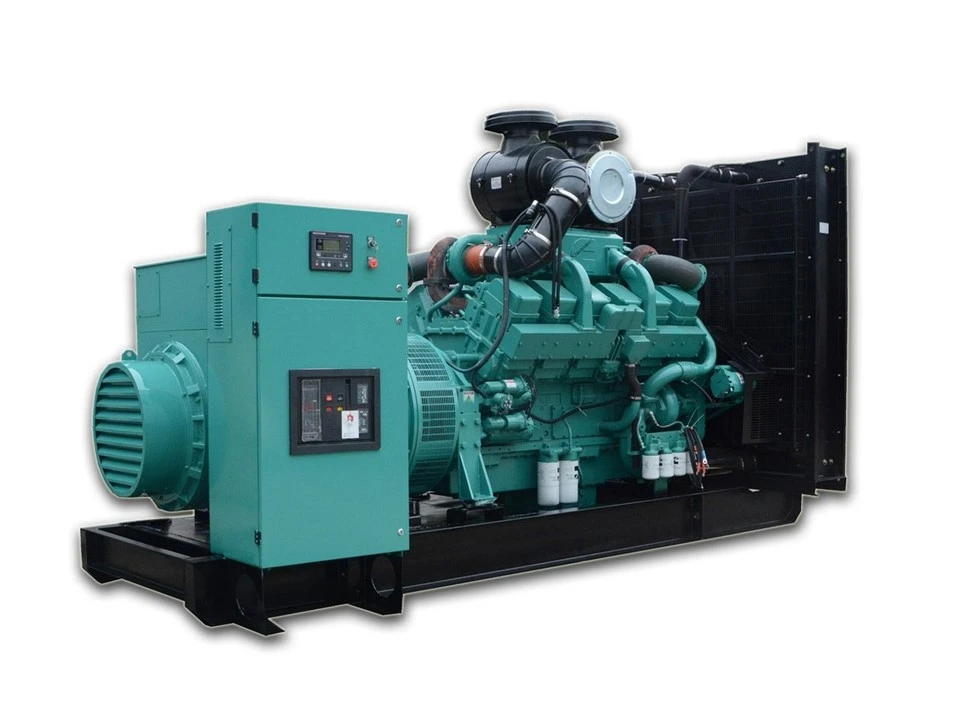
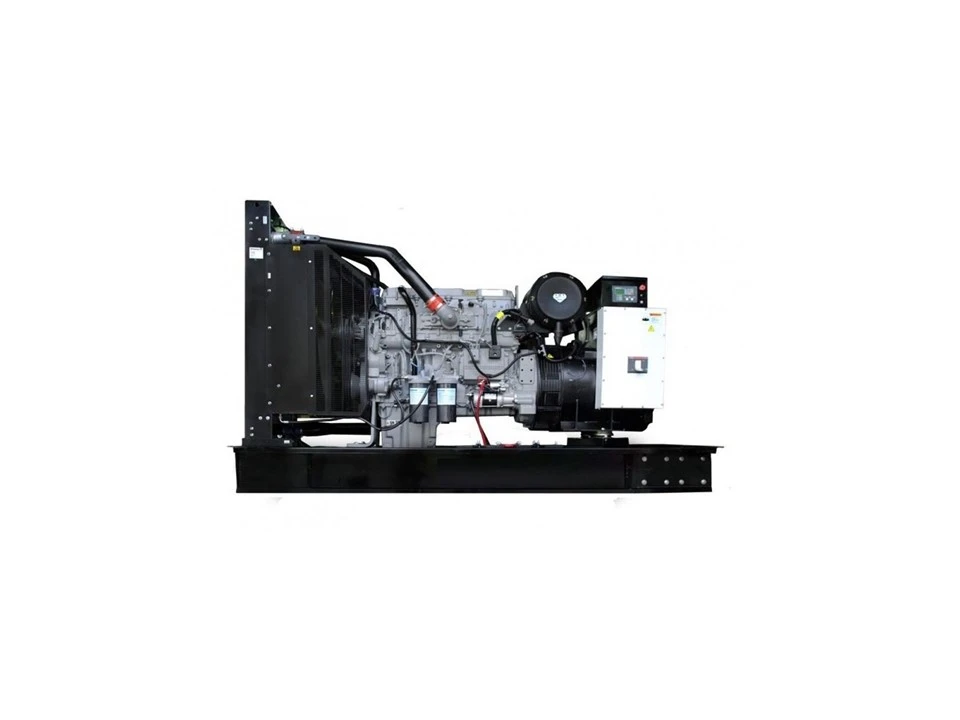
First, let’s start with the basics: what exactly is a recoil starter? Also called a pull starter or rope starter, it’s a manual starting mechanism found on small internal combustion engines, including most portable silent generators. Unlike electric starters, which rely on batteries or external power sources, recoil starters use human physical effort to spin the engine’s crankshaft just fast enough to ignite the fuel-air mixture in the cylinders. That ignition is what kicks off the generator’s alternator, which then produces the electricity you need to run tools, appliances, or other gear.
For silent portable generators, the recoil starter is even more important than it is for loud, open-frame models. Why? Because silent generators are designed to minimize noise, which means their components are often more compact and carefully calibrated. The engine in a silent portable generator isn’t built with the same oversized, high-torque parts that make electric starting easier on some open-frame units. Instead, every part is optimized for quiet operation, which means the recoil starter has to be smooth, durable, and efficient enough to spin the engine without adding extra noise or bulk. I’ve seen this firsthand with the units we supply, like the Total Silent Diesel Generator—its recoil starter is engineered specifically for its enclosed frame, so it doesn’t vibrate or rattle when you pull it, which keeps the whole unit quieter.
Let’s get into how a recoil starter actually works, because it’s a small piece of engineering that’s smarter than it looks. The core of the system is a spring-loaded drum inside a housing mounted to the generator’s engine. Attached to the drum is a long, tough nylon rope, with a knotted handle at the end for you to grip. When you pull the handle, the drum spins, winding the rope and tensioning a large recoil spring inside the housing. Once you’ve pulled the rope all the way out, the drum hits a small ratchet mechanism that locks it in place. This ratchet connects the drum to the generator’s crankshaft, so the spinning drum transfers that force to the crank, turning it over quickly enough to start the engine.
Once the engine fires, two things happen almost instantly: the ratchet disengages (so you don’t pull the rope back too hard) and the recoil spring releases all its tension, rewinding the rope back into the housing automatically. That’s the “recoil” part— the spring recoils to reset the starter for the next use. It’s a simple cycle, but getting it right is make-or-break for a silent portable generator. If the recoil spring is too weak, you won’t be able to pull the crank hard enough to start the engine, especially in cold weather when oil is thicker. If it’s too strong, you could pull a muscle, or the mechanism could break. That’s why we test every recoil starter on the silent portable generators we supply, from compact 20kVA models to larger units like the 200kw Silent Diesel Generator—we make sure the starter’s tension is calibrated for the engine’s size, so it’s easy to use but never fails when you need it.
One of the biggest advantages of a recoil starter for silent portable generators is its reliability, especially when power is out. Electric starters can fail if the generator’s battery dies, which is a common issue during extended blackouts. Even if you have a backup battery, that’s another component that can malfunction in cold or hot conditions. A recoil starter, on the other hand, is mechanical—no batteries, no electronics, just a rope and a spring. That makes it perfect for silent portable generators that are used in off-grid situations, like construction sites, remote cabins, or emergency disaster response setups. I’ve had customers tell me they rely on our silent generators with recoil starts because even after months of sitting in a garage or at a job site, they can still pull the start rope and get power within a minute. That peace of mind is huge, and it’s a big part of why recoil starters are still standard on most silent portable generators, even as electric starting gets more advanced.
Of course, recoil starters aren’t perfect, and they do need a little care to keep working. The most common issues are worn ropes, broken recoil springs, or dirty ratchet mechanisms. If you pull the starter too hard, or if the rope is frayed, it can snap mid-pull, leaving you stuck. A broken recoil spring means the rope won’t retract, so you’ll have to rewind it by hand. And if dirt or dust gets into the ratchet, it can get stuck, so the starter won’t engage with the crankshaft. For silent portable generators, this is even more of a concern because their enclosed frames can trap dust and moisture if they’re not stored properly. That’s why we always include a maintenance guide with every generator we supply, whether it’s a Mikano 20kVA Generator, a Powertech Diesel Generator, or a standard canopy model like the Canopy Diesel Generator—we recommend checking the starter’s rope, spring, and ratchet every 50 hours of use, especially before the start of a season when you’ll be using the generator more.
Another thing to consider is how the recoil starter interacts with the rest of the silent generator’s design. Silent portable generators have a metal canopy that wraps around the engine and alternator to muffle noise, and the recoil starter has to be mounted in a spot that’s easy to access but doesn’t compromise the canopy’s soundproofing. If the starter’s housing has gaps that let noise escape, it defeats the whole purpose of a silent generator. That’s why we work closely with our engineers to design recoil starters that fit seamlessly into the canopy. The starter’s housing is made of thick, vibration-dampening plastic or insulated metal, so when you pull the rope, there’s no extra noise coming from the starter itself. It’s a small detail, but it makes a big difference—our customers often comment on how quiet their generators are, and a lot of that comes from the well-designed recoil starter.
I’ve seen a lot of changes to recoil starters over the years, too. When I first started in the generator business, most recoil starters were basic, with straight nylon ropes that would fray quickly, especially in dusty environments. Now, we use reinforced, high-strength ropes that can withstand thousands of pulls without breaking. Some models even have ergonomic handles that are easier on your hands, which is helpful if you have to pull the starter a few times before the engine catches—especially in cold weather where the engine is harder to turn over. For our larger silent generators, like the 200kw models, we’ve upgraded to recoil starters with multi-stage pull mechanisms, so the effort is spread out over two or three pulls, making it less strenuous for the user. It’s these small upgrades that make a big difference for someone depending on their generator in a pinch.
If you’re in the market for a silent portable generator, whether for home use, business, or industrial needs, the recoil starter is a component worth paying attention to. Don’t just assume all starters are the same—cheap generators might use weak recoil springs or thin ropes that break after a few uses, leaving you without power when you need it. That’s why we focus on quality components for every generator we supply. We stand behind our silent portable generators, and part of that is using recoil starters that are reliable, easy to use, and built to last. Whether you’re looking for a compact unit for camping, a mid-sized model for a small business, or a large unit for heavy-duty use, a good recoil starter is a non-negotiable feature.
When the power goes out, you don’t want to fumble with a broken electric starter or wait for a technician to come fix a malfunctioning component. You need a generator that you can start quickly, quietly, and reliably—something a solid recoil starter makes possible. If you have questions about our silent portable generators, how their recoil starters work, or which model is right for your needs, don’t hesitate to reach out to our team to discuss sourcing and purchasing options. We’re here to help you find the right power solution, with components you can count on.
References
- Small Engine Repair Manual, National Automotive Technicians Education Foundation (NATEF), 2021
- Silent Generator Soundproofing Engineering, Industrial Noise Control Association (INCA), 2022
- Portable Generator Recoil Starter Design Standards, American Society of Mechanical Engineers (ASME), 2020
- Off-Grid Power Reliability Report, Renewable Energy Association (REA), 2023