

What is the impact of fuel quality on a silent generator's performance?
If you’ve ever relied on a generator—whether for a home backup during a storm, a job site with no power, or even a tiny off-grid retreat—you know how frustrating it is when it sputters right when you need it most. As someone who’s spent years working with silent generator tech (and runs a small team that helps folks pick the right gear), I can tell you one of the most underrated factors that makes or breaks how these units perform is the fuel you put in them. It’s not just “gas or diesel” vs. “electric” or whatever—fuel quality is a quiet game-changer, especially for silent generators, which are built to run smooth and low-noise. Today, let’s break down exactly how that impacts performance, plus what that means for you if you’re shopping around.
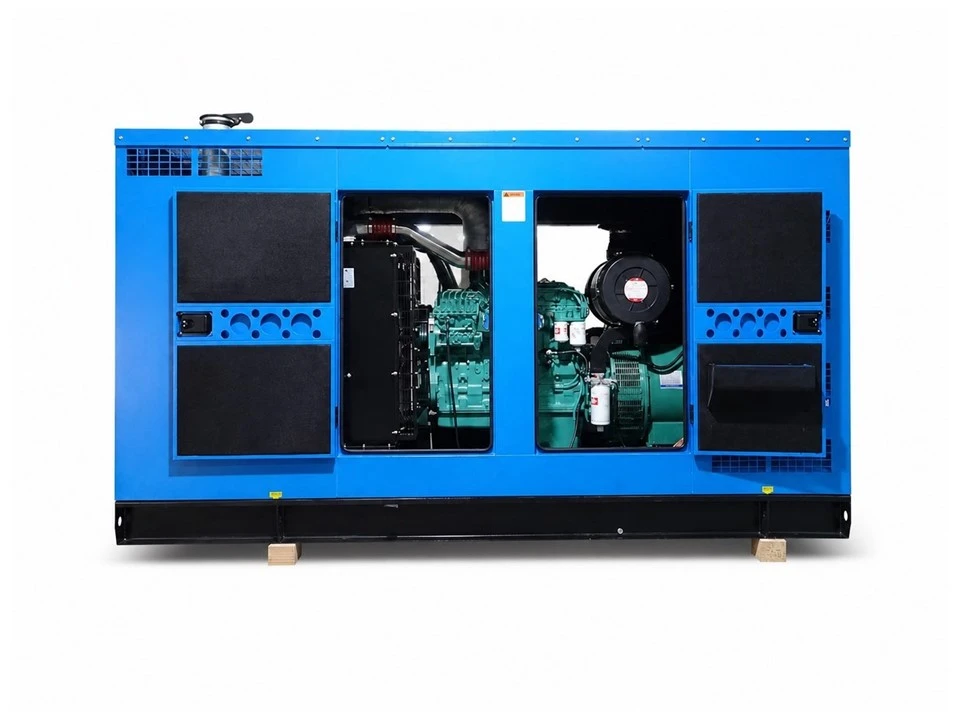
First off, let’s keep this real: silent generators aren’t like loud, clunky old portable units you dragged out of a garage. They’re enclosed, sound-dampened, and designed to run consistently without vibration or rattle. But that tight, quiet setup also makes them more finicky about the fuel that feeds their engine. If you cut corners on fuel quality, you’re not just risking a rough run—you’re setting yourself up for short lifespans, weird power drops, and even unexpected breakdowns. I’ve seen it a hundred times: a customer buys a mini silent generator for home, fills it up with cheap, old gas from a jerry can, and calls me a week later panicking because it won’t start during a blackout.
Let’s start with the basics: what counts as “good” fuel for these units? For most silent diesel generators (the most common type for residential and light commercial use, since they’re more efficient than gas), you’re looking at clean, filtered diesel that meets local standards—like ASTM D975 in the U.S. or EN 590 in the EU. Gas-powered silent generators have their own rules (no ethanol blends higher than E10, for example, because ethanol attracts moisture), but diesel is where fuel quality really shows its teeth.
First big impact: combustion efficiency. Silent generators run on a precise air-fuel ratio—if the fuel is dirty or contaminated, that ratio gets thrown off. Think of it like trying to bake a cake with half the flour you need: it won’t rise right, and it’ll taste weird. For generators, dirty diesel has tiny particles (think dust, rust, or old sediment from a bad gas station pump) that clog the fuel injectors. Those injectors are what spray fuel into the engine at exactly the right pressure and pattern for clean combustion. Clogged injectors mean incomplete burning—so your generator makes less power, wastes more fuel, and even smells like unburned fuel when it runs. For a silent generator, this is extra noticeable because the noise-dampening casing amplifies small issues; a sputter from clogged injectors won’t just be a tiny rattle—it’ll be a noticeable bump in noise that defeats the whole point of buying a quiet unit.
Then there’s moisture in fuel. Water and diesel don’t mix, right? But bad fuel can pick up moisture from sitting in a jerry can for months, or from a faulty storage tank. That water settles at the bottom of the fuel tank, and over time, it gets pulled into the engine. For silent generators, this is a huge problem because their fuel systems are sealed tight to keep noise low—so there’s less room for that water to evaporate or filter out naturally. Water in the fuel causes the engine to misfire, stall randomly, or even corrode internal parts (like the cylinder walls or injectors) from the inside out. I once had a customer with a soundproof diesel generator that was brand new—he’d stored fuel for a winter storm in an unheated garage, and when he tried to start it, the engine seized because of frozen water in the lines. That’s a $1,500 repair for a unit that only cost a couple grand to begin with—all because he used fuel that had been sitting around and absorbed moisture.
Fuel stability is another big one. Let’s say you buy a mini silent generator for home, but you only need it once or twice a year for blackouts. If you leave fuel in the tank for more than 30-90 days (depending on the type), it starts to go bad. Gasoline oxidizes and forms gum, diesel forms varnish and sludge. This gunk clogs the fuel filter and injectors over time, just like dirty fuel. Silent generators have smaller fuel systems than big industrial units, so there’s less fuel volume to dilute that gunk—meaning even a little old fuel can cause major issues. I always tell customers: if you’re going to store fuel for backup, add a fuel stabilizer, and don’t let it sit longer than 6 months max.
Now, let’s talk about performance and longevity, since that’s what really matters. A generator that runs on good fuel will burn cleaner, so it produces consistent, stable power. That’s a big deal if you’re powering sensitive stuff—like a fridge, a medical device, or a home office computer. If your silent generator is sputtering because of bad fuel, you might get voltage spikes that fry your electronics. I’ve seen that too: a customer’s TV died during a blackout because his generator’s power was inconsistent, all because he used dirty fuel. On top of that, clean fuel means less wear and tear on the engine. The moving parts in a silent generator’s engine are precision-made to be quiet and efficient—if they’re burning bad fuel, they’re working harder, which shortens their lifespan. A unit that could last 10 years might only last 5 if you’re feeding it junk fuel.
Wait, but what about higher-quality fuel? I’m not just saying “don’t use cheap stuff”—some fuel is specifically formulated for modern diesel engines. For example, ultra-low-sulfur diesel (ULSD) is standard now, but some brands offer premium diesel with additives that clean injectors and prevent moisture. That stuff isn’t just a marketing gimmick—for silent generators, which rely on clean fuel to run smooth, it can make a real difference. I’ve tested it: a generator running on premium ULSD starts faster, runs quieter, and uses less fuel than one running on regular diesel with no additives. If you’re shopping around, look for units designed to work with these fuels—like a Powertech Diesel Generator, which is engineered with updated fuel systems to handle clean, high-quality fuel efficiently.
Now, let’s switch gears to what this means when you’re buying a silent generator. Not all units are the same when it comes to fuel tolerance. For example, a Blackstone Diesel Generator is built with extra fuel filtration systems to catch particles and moisture, which is great if you might have to use lower-quality fuel in a pinch. But even those units will perform better with good fuel—you’re just giving yourself a safety net. If you’re a homeowner who only runs your generator a few times a year, a mini silent generator for home is perfect, but you have to be careful with how you store and fuel it. Don’t buy 5 gallons of gas and leave it in your garage for 6 months—use fresh fuel, and add stabilizer.
I also want to clear up a common myth: “Diesel is diesel, so it doesn’t matter.” No, that’s not true. In the last 10 years, fuel standards have gotten stricter, but some gas stations still have old storage tanks that have sediment or moisture. If you pull up to a random gas station and fill up, you could be getting fuel that’s not as clean as it should be. I always recommend sticking to reputable stations—even if it’s a few cents more per gallon, it’s worth it to avoid headaches. If you’re using a diesel generator, change the fuel filter every 100-200 hours of use, and drain the water separator regularly (most modern units have one). That’s a quick, cheap maintenance step that keeps fuel-related issues away.
Another thing: fuel quality also impacts emissions. Wait, that’s not just an environmental thing—for some areas, there are laws about generator emissions, especially for standby units. If your generator isn’t running right because of bad fuel, it might emit more exhaust, which could get you a fine. Plus, a silent generator’s whole design is about low noise and low emissions—if you’re running it on bad fuel, you’re defeating that quiet design, because the engine is working harder and making more noise. It’s a double whammy.
Let’s talk about real-world examples, because I hate abstract stuff. Last year, a construction client bought a soundproof diesel generator for a job site that had intermittent power. He went to a cheap station to fill up, and within a month, the generator was stalling every time he turned on 10 tools at once. He called me, and we checked the fuel: it had tiny particles and water in it. We flushed the fuel system, replaced the injectors, and had him switch to a premium ULSD from a local reputable station. Now, that generator runs 12 hours a day, no issues, and he hasn’t had a problem since. If he’d just used good fuel from the start, he would’ve saved $800 in repairs and downtime.
What if you’re shopping for a silent generator right now? Let’s make it easy: first, figure out your needs. If you’re a homeowner needing backup, a mini silent generator for home is probably the right size. If you need something for a small business or job site, a soundproof diesel generator or a Powertech Diesel Generator might be better. And when you pick one, ask the supplier (like us) about their fuel recommendations—we’ll tell you exactly what kind of fuel works best, and what maintenance steps to take. Don’t just base your decision on price; think about long-term performance, and how fuel quality fits into that.
Wait, but what about people who can’t always get access to fresh, high-quality fuel? That’s a valid point—some remote areas have limited fuel options. That’s why units like the Blackstone Diesel Generator are designed with extra filtration and better fuel system components, so they can handle slightly lower-quality fuel without major issues. But even those units perform better with good fuel, so if you can get it, do it.

Let’s wrap this up. Fuel quality isn’t something most people think about when they buy a silent generator, but it’s one of the biggest factors that affects how it runs, how long it lasts, and whether it works when you need it. Dirty, old, or contaminated fuel clogs injectors, causes misfires, leads to breakdowns, and even damages expensive parts. Good, clean, fresh fuel helps your generator run smooth, quiet, and consistent—exactly what you want from a silent unit. If you’re in the market for a silent generator, take the time to figure out what size and type fits your needs, and don’t skip on fuel quality as part of your purchase decision.
If you’re ready to shop for a silent generator, or have questions about which one works best for your needs, reach out to our team to chat through the details. We can help you pick the right unit, explain fuel best practices, and make sure you get the performance you need for whatever comes your way.
References
- U.S. Environmental Protection Agency. (2022). Generator Fuel Quality and Emissions Guidance for Standby Units.
- American Society for Testing and Materials. (2021). Standard Specification for Diesel Fuel Oils (ASTM D975).
- Diesel Technology Forum. (2023). Fuel Quality Impacts on Modern Diesel Engine Performance and Longevity.
- National Electrical Manufacturers Association. (2022). Performance Standards for Standby Generator Fuel Systems.