

How do I start a silent portable generator?
Hey there,
If you’re here, odds are you’ve just unboxed a silent portable generator (or are about to) and you’re staring at all the knobs, switches, and that noise-dampening enclosure thinking, “Wait, how do I actually turn this thing on without messing it up?” As someone who’s been in the generator game for years—running a shop that sells and services silent portable units of all sizes— I’ve seen folks skip the basics because they’re too focused on the “silent” part (that’s the whole point, right?) and end up panicking when it won’t start. Let’s break this down step by step, no confusing jargon, just the stuff that actually works.
First off, a quick truth: silent portable generators aren’t that different from regular portable ones, but that noise-reducing enclosure does add a couple tiny extra steps you can’t skip. If you rush this, you’ll either get a sputter that dies right away or risk damaging the engine, which is the last thing you want when you need power for a camping trip, a job site, or a backup for your home. I’ve had customers come in all the time because they tried to yank the cord without checking the fuel valve, and they wonder why their “quiet generator” won’t even crank. Let’s fix that.
First, pre-start checks that people usually skip, and trust me, these are make or break. Before you even get near the start switch or pull cord, you need to make sure two big things are covered: fuel and engine oil. For most silent portable models (even the bigger ones like the 100kw Silent Diesel Generator), the fuel tank is tucked behind that noise-dampening panel, and the fuel valve is usually on the side or bottom of the tank. If that valve is closed, no fuel gets to the engine—so even if you hit start, it’ll just turn over and do nothing. That’s step one: twist the fuel valve to the “ON” position. No exceptions here.
Next, oil checks. Silent generators (especially diesel ones, but even gas) have a low-oil shutdown sensor that will kill the engine automatically if there’s not enough oil. If you skipped checking this before storing it, you might find out when you try to start it. The oil dipstick is usually accessible either through a small panel on the generator’s frame or behind the enclosure—pop the panel off, pull the dipstick, wipe it clean, reinsert it, pull it out again, and make sure the oil level is between the “MIN” and “MAX” lines. If it’s low, add the right type of oil (check your manual—most portable units use 10W-30, but some diesel models need specific weights) until it’s at the right mark. I always keep a small bottle of the right oil in my service van for calls, so don’t skip this step. If you ignore the low oil light, you’ll be buying a new engine, not a new generator, and that’s way more expensive.
Another pre-start thing: the load management. Silent portable generators aren’t like wall outlets—you can’t just plug every device you own into it at once without tripping the breaker. Before you start, make sure all your devices are unplugged. I know it’s tempting to plug your fridge, space heater, and TV all in before turning it on, but that’s a quick way to overload the unit, blow the breaker, or damage your electronics. Turn off the generator’s circuit breaker too, and make sure any extension cords you’re using are in good shape (no frayed wires, right size for the wattage). If you’re running multiple things, figure out the total wattage first—our team recommends not going over 80% of the generator’s rated wattage, so if you have a unit that does 2000 watts, don’t run more than 1600. That’s how you keep your generator running quiet and smooth.
Now, the actual start sequence. This is where a lot of people mess up because of that silent enclosure. First, locate the choke. On smaller gas-powered silent portables, the choke is a lever usually marked “COLD” and “RUN”—you’ll want to move it to “COLD” when the engine is cold (which it is, if you’re starting it for the first time in a month). For diesel models, the choke isn’t usually a lever, but there’s a “PRIMER” button you have to press 3-4 times to get fuel into the lines—skip that, and the engine will take forever to start, or not at all. If you have a bigger unit, like a 100kw Silent Diesel Generator, the primer button is on the control panel, not behind the enclosure, so don’t panic if you can’t find it right away.

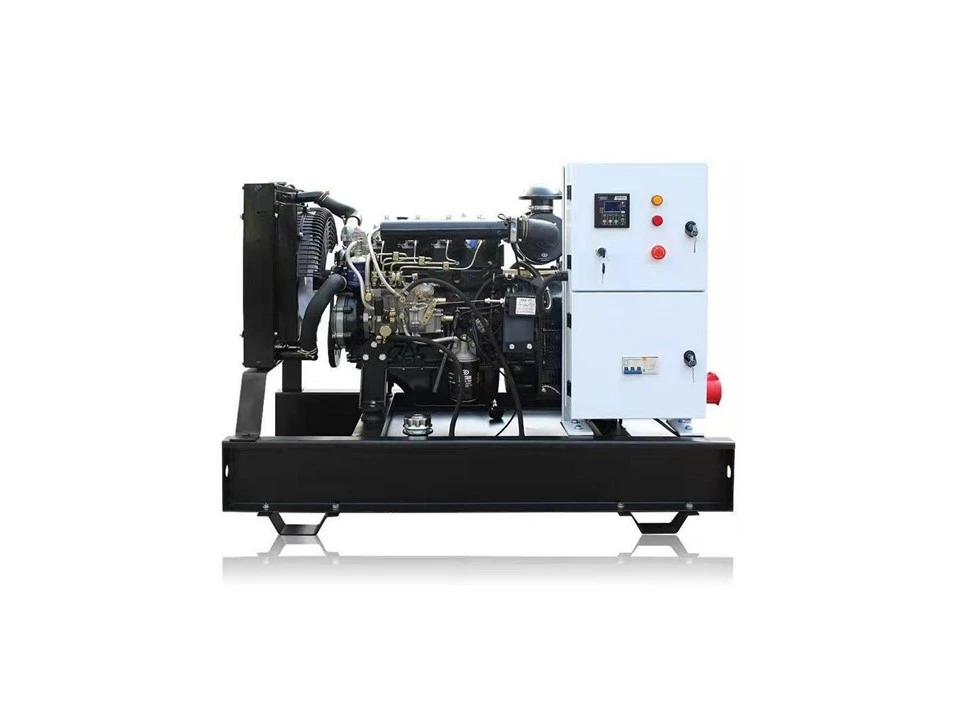
Once the choke (or primer) is set, it’s time to start the generator. Now, here’s a pro tip for silent models: don’t force the pull cord if it’s an electric start. If you have an electric start, turn the key to the “ON” position, make sure the ignition switch is in the “START” position, and hold it there for 5-10 seconds. If it doesn’t crank on the first try, wait 10 seconds before trying again—cranking it repeatedly right after will drain the battery. I’ve had customers jump-start their generator battery with a car battery before, but if yours is dead, most shops (including ours) sell replacement batteries that fit perfectly. If you have a manual pull start (smaller silent generators for camping or tailgates), grip the handle firmly, pull straight out (don’t yank at an angle), and use your whole body weight, not just your arms. The pull cord is designed to stop if you pull too hard, so you won’t break it, but you will get a sore shoulder if you yank it like you’re trying to start a lawnmower.
Once the engine is running, don’t flip the choke back to “RUN” right away. Let it warm up for 2-3 minutes. Silent generators (especially diesel ones) need that warm-up time to get the oil flowing properly. If you flip the choke too soon, the engine will sputter and die. You’ll know it’s warmed up when the sound evens out—those first few seconds of start are a little rougher, but once it’s steady, that’s when you can move the choke lever to “RUN” (if you have a gas model) and turn off the primer button (if diesel). Then, wait another minute to make sure it’s running smooth before you plug anything in.
Wait, what if it still won’t start after all that? I get this a lot, and most of the time it’s a tiny, easy fix. First, check the fuel level—we’ve all left a tank empty and forgotten. Next, check the spark plug (for gas models) to make sure it’s not fouled with carbon. To get to it, you just pop off a small cover on the side of the enclosure, unscrew the spark plug, and look at the electrode. If it’s black and gunked up, you can clean it with a wire brush, or just replace it if it’s really bad. For diesel units, the problem is almost always the fuel filter—if you haven’t changed it in a year, it might be clogged, which means no fuel gets to the engine. That’s a quick fix, just swap out the filter and try again. If you’ve tried all that and it still won’t start, don’t mess with it—call someone who knows silent generators, because trying to take apart the enclosure yourself might break a seal that keeps it quiet, which defeats the whole purpose.
Also, a quick note about maintenance, because starting issues almost always come from skipped maintenance. Silent portable generators aren’t set it and forget it. If you use it once a month, run it for 10-15 minutes without load to keep the engine lubricated. Change the oil every 50 hours (or once a year, whichever comes first) and replace the air filter when it gets dirty—if the air filter is clogged, the engine can’t get enough air, so it won’t start or will run rough. Our team has some great resources on this, including guides for everything from small portable units to The Most Quiet Generator models that work for homes or job sites.
One more thing: when you’re done, don’t just turn it off. Let it cool down for a minute before unplugging everything, and make sure you close the fuel valve to keep fuel from going stale. Stale fuel is another huge reason generators won’t start—if you leave fuel in the tank for more than 30 days, it gets gummy and clogs the lines. I always tell customers to add a fuel stabilizer to keep it fresh, especially if they’re storing the generator for long periods.
If you’re in the market for a silent portable generator, whether it’s for camping, backup power, or a job site, we’ve got options for every wattage. We have everything from small 20kva units (check out the Mikano 20kva Generator Price if that’s what you’re looking for) up to the 100kw Silent Diesel Generator for bigger needs. Our website has detailed specs for each model, so you can find the one that fits your budget and needs.
If you’ve got questions about starting your existing generator, or you’re ready to browse our selection to buy one, you can check out our Low Noise Diesel Generator collection, or see why we’re one of the top places for Best Silent Generator units on the market. We’re always here to help—whether it’s troubleshooting a start issue, giving maintenance tips, or helping you pick the right generator for your space. Don’t hesitate to reach out if you need a hand.
References:
- Generator Industry Maintenance Guide: Portable Silent Unit Best Practices
- National Electrical Code: Load Management for Portable Generators
- Engine Manufacturers Association: Low-Oil Shutdown System Specifications for Quiet Generators