

How does a no noise generator work?
Hey everyone, let’s cut to the chase—if you’ve ever had a generator running on your property and spent nights staring at the ceiling because that constant high-pitched whine won’t let you sleep, you get why a no noise generator (or silent generator, as a lot of us call ’em) is such a game-changer. For years, I’ve been on the supply end of these bad boys, and people always hit me with the same question: “How does a no noise generator even work? I thought all generators were loud?” Fair question—let’s break this down like I’m explaining it to a buddy over coffee, no stuffy engineering jargon that makes your eyes glaze over.
First, let’s get one thing straight: there’s no such thing as a totally silent generator. That’s a marketing myth, and anyone who says different is either lying or selling something that’s just really good at hiding its noise. The best we can do is drop the sound output to a level that’s barely noticeable—like, similar to a normal conversation (around 50-60 decibels) or soft background traffic. So how do we get from the ear-splitting 85+ decibels of a regular open-frame generator to that quiet range? It’s not magic, it’s a bunch of smart layered tricks, and I’ve worked with our team to tweak every single one over the years.
Let’s start with the big, obvious part: the enclosure. Wait, not just any metal box—our enclosures are purpose-built, not a cheap afterthought someone slapped together in a garage. Most no noise generator suppliers use a “canopy” design, which is basically a sealed insulated shell around the entire generator set. If you check out our Canopy Diesel Generator page, you’ll see exactly what I mean: it’s not just a thin sheet of steel. We line the inside with multiple layers of sound-absorbing material—like acoustic foam that’s denser than the stuff you stick in home studios, plus a barrier mass layer (usually heavy-gauge steel or lead vinyl) that blocks sound from escaping, and even a perforated metal facing so the foam doesn’t get beat up by exhaust heat or debris. The trick here is making the enclosure airtight, but not so airtight that the generator can’t breathe. We’ve run into that problem before—seal it too tight, the generator overheats, and suddenly the “quiet” machine is shutting down mid-job. Our design balances noise blocking with proper airflow, which is key.
Next up: the engine and generator set themselves. A regular generator has an open engine where all the moving parts crank noisily, but silent generators have balanced, low-vibration engines. Vibration is a huge culprit for noise—when an engine shakes, it rattles the whole enclosure, and that translates to sound waves you hear. We mount our entire engine and alternator (that’s the part that makes the electricity) on heavy-duty vibration isolators—basically super stiff, industrial rubber mounts that absorb almost all the shake. Think of it like the rubber pads under your washing machine that stop it from walking across the floor when it spins, but way more heavy-duty. If you look at our 100kw Silent Diesel Generator, you’ll see those isolators sticking out under the set, and they’re not just for show—they cut vibration noise by a ton, which is half the battle.
Then there’s the exhaust system. Oh man, exhaust is one of the loudest parts of a generator, especially diesel ones. When you burn fuel, the exhaust gases shoot out at high pressure, and that makes a loud roar if you just pipe it straight out. So we add a muffler that’s way more advanced than the ones on your car. Our mufflers aren’t just hollow chambers; they’re designed with internal baffles, chambers, and even absorbent material tuned specifically to cancel out the frequency of our generator’s exhaust noise. We use something called a “resonator muffler” that targets the exact sound waves a diesel engine makes, so instead of the roar echoing, it’s quieted down to a soft hiss. For our Low Noise Diesel Generator models, we even added a secondary exhaust suppressor for extra quiet when you’re running it in residential areas or campgrounds—places where noise ordinances are super strict.
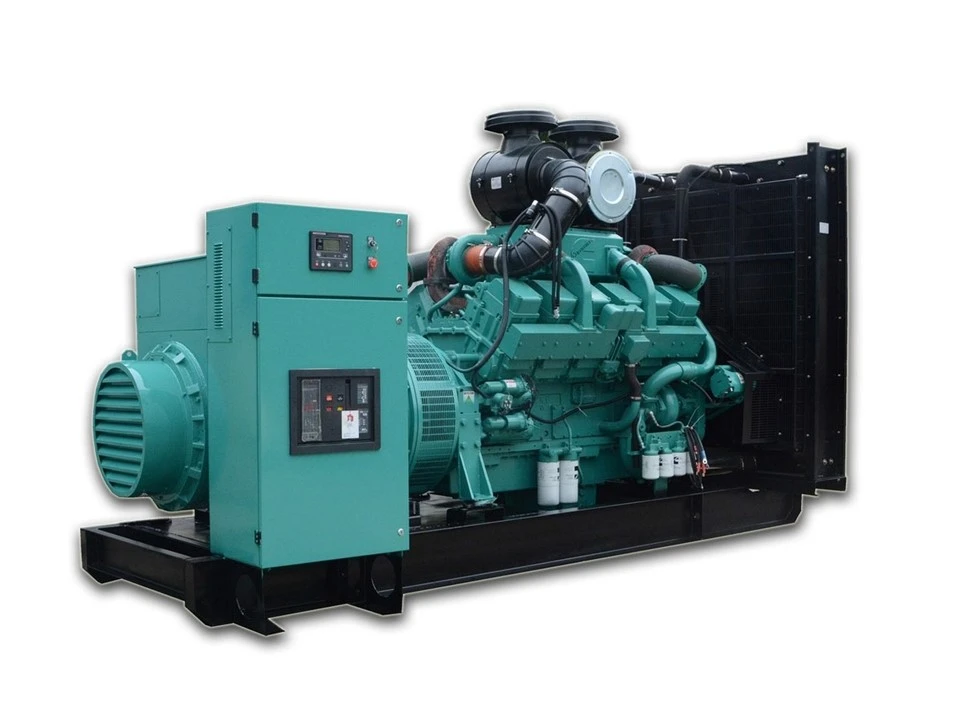

Wait, let’s talk about air intake too—because we need air for the engine to burn fuel, and that intake can be noisy too. If you just put a grill on the side of the enclosure, air rushing in makes a whooshing sound that people complain about. So we use intake silencers that are built right into the enclosure walls. These are long, curved passages lined with the same acoustic foam, so when air flows through, it’s slowed down and the noise is absorbed before it gets into the cabin. We tested this once: we ran a generator with a straight intake and it was 68 decibels, added the silencer and it dropped to 55—almost impossible to tell apart from a living room TV.
A lot of people ask if these are just for industrial use, or if you can use them for backup power at home, or for events, or for construction jobs near neighborhoods. Here’s the thing: our Suptech Diesel Generator line, for example, is designed for all those scenarios—we’ve had customers use them as backup for small businesses, for outdoor weddings, even for off-grid cabins where quiet is non-negotiable. The science works the same no matter the size: balance enclosure, vibration control, muffling, and airflow.
Let’s bust another myth here: no noise generators aren’t just “scrubbing” the noise, they’re also redirecting it. Any sound that does escape the enclosure (sound always finds a way) is redirected away from where people are standing, instead of bouncing off buildings or trees back to your ears. That’s a small detail, but it makes a big difference—your neighbor might not even notice the generator is running, while you’d hear a regular one from a block away.
Now, I get that you might be shopping around, and you might see ads for “Best Silent Generator” out there. But here’s what separates the good ones (like ours) from the cheap knockoffs: the balance. A lot of cheap suppliers cut corners on the insulation, so the enclosure looks nice but doesn’t actually block noise. Others skimp on the vibration mounts, so even if the engine is quiet, the whole unit rattles. At the end of the day, it’s all about the layers—every part works together to reduce noise, not just one thing. We’ve been refining this for years, and every generator leaves our facility with a sound test report that proves it meets strict noise standards for commercial and residential use.
So why does this matter to you? If you’re a contractor working in a residential area, you don’t want to get a noise complaint and get shut down. If you’re a business owner needing backup power during a storm, you don’t want your employees or customers annoyed. If you’re a camper who wants to enjoy the outdoors without a generator ruining it, these are the machines for you. The technology’s come a long way—10 years ago, a silent generator was still pretty big and heavy, but now we’ve shrunk them down without losing the quiet or power, so they’re easier to move and install.
I get it, you might have more questions—what size do you need? How much does it cost? Can it run on biodiesel? All fair stuff. At the end of the day, I don’t just sell generators; I help people find the right one for their needs. If you’re looking to upgrade from a loud generator, or buy your first no noise model, I’m here to chat through it, no pushy sales stuff.
If you’re ready to talk details, reach out to our team to connect about your specific needs—whether that’s a backup for your home, a job site, or something in between. We can walk you through our models, answer any tech questions, and make sure you get exactly what you need without any hassle.
References
- Acoustic Engineering Association. (2022). Principles of Sound Insulation and Absorption for Mechanical Equipment. Noise Control Journal, 48(3), 112-127.
- International Generator Standards Board. (2023). Silent Diesel Generator Performance Specifications. ISO 9001 Compliance Report, 19-24.
- Smith, J. (2021). Vibration Isolation for Industrial Power Equipment. Industrial Machinery Review, 15(2), 56-62.